

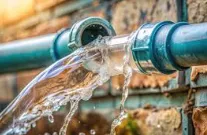
A consistent and clean water supply is essential for any home. From morning showers to cooking dinner, we rely on it constantly. When problems arise, they can disrupt daily life and potentially lead to significant damage. Understanding how to spot and address common water supply issues can save you time, money, and stress.
This guide will walk you through identifying and resolving frequent problems, helping you maintain a healthy home water system.
Identifying Low Water Pressure
One of the most common complaints is low water pressure. This issue can manifest as a weak stream from faucets or a shower that barely trickles. The problem might affect your entire house or be isolated to a single fixture.
What Causes Low Pressure?
Several factors can lead to a drop in water pressure. A primary culprit is mineral buildup in pipes and fixtures. Over time, calcium and magnesium deposits can clog aerators and showerheads, restricting water flow.
Another potential cause is a partially closed water meter valve or main shutoff valve. These valves control the water entering your home, and if they aren’t fully open, pressure will decrease. In some cases, a hidden leak in your plumbing system could also be the source of the problem.
Simple Fixes for Low Pressure
Start with the easiest solutions. Unscrew faucet aerators and showerheads and soak them in a descaling solution or vinegar overnight. This will dissolve any mineral deposits. After soaking, rinse them thoroughly and reattach.
Next, locate your home’s main water shutoff valve and the water meter valve. Ensure both are turned completely to the “on” position. If these steps don’t restore pressure, the issue might be more complex, such as a failing pressure regulator or a significant pipe blockage.
Dealing with No Water at All
Waking up to no water can be alarming. Before panicking, there are a few checks you can perform to diagnose the situation.
Initial Troubleshooting Steps
First, see if your neighbors have water. If they don’t, the problem is likely with the municipal supply, and you should contact your local water utility for information.
If the issue is only in your home, check the main water shutoff valve. It may have been turned off accidentally. If you have a well, inspect the well pump’s circuit breaker to see if it has tripped. Resetting it might restore your water supply. For more extensive issues, like a malfunctioning well pump or a major unseen leak, professional help is often necessary.
Discolored or Murky Water
Water should always run clear from your taps. If you notice brown, yellow, or cloudy water, it’s a sign that something is wrong.
Pinpointing the Source of Discoloration
Rusty or brown water often points to corroded pipes. If the discoloration only appears with hot water, the problem is likely your water heater. Sediment can build up at the bottom of the tank over time. Flushing the water heater annually can prevent this.
If both hot and cold water are discolored, the corrosion may be in your home’s main pipes. This is a more serious issue that requires a professional assessment. Cloudy water, on the other hand, is usually caused by air bubbles in the pipes and typically clears up on its own after a few moments in a glass.
When to Call for Professional Help
While many minor water supply issues can be fixed with simple DIY methods, some problems require an expert. Persistent low pressure, recurring clogs, major leaks, or signs of widespread pipe corrosion are best handled by a qualified technician. Attempting complex repairs without the proper tools or knowledge can lead to bigger, more expensive problems.
If you are facing an issue that seems beyond a simple fix, it’s wise to consult with a professional. For residents in some areas, reliable plumbing services in Layton can provide a thorough inspection and offer a lasting solution to protect your home’s water system. Addressing these concerns promptly ensures your water supply remains safe and dependable.