

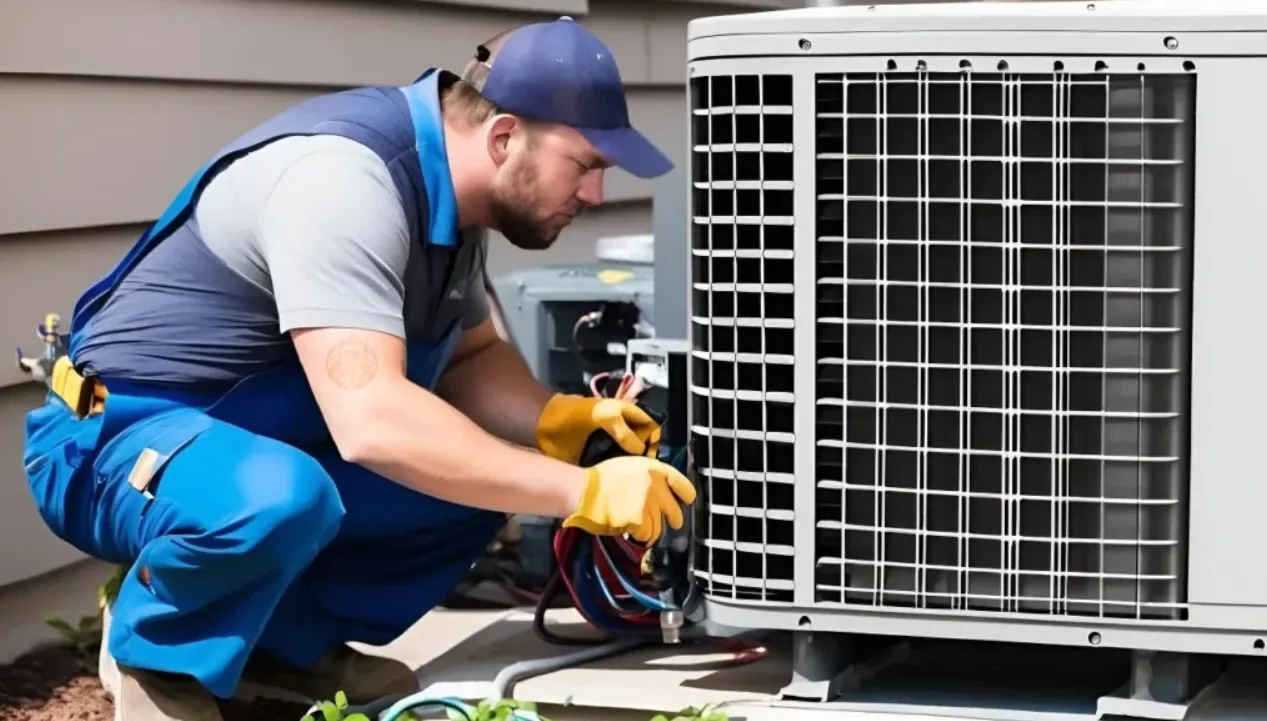
Air conditioning systems are among the most relied-upon appliances in any home, particularly during the height of summer when temperatures push comfort levels to the limit. Yet, despite their importance, many homeowners overlook the value of routine maintenance until a breakdown occurs. Regular maintenance is not simply about keeping an AC unit running—it’s about preventing issues before they start, maintaining energy efficiency, and extending the system’s lifespan. When properly cared for, an air conditioner operates smoothly, consumes less energy, and requires fewer repairs over time. The difference between an efficient, low-maintenance system and one that constantly needs attention often comes down to how well it’s maintained year-round.
The Connection Between Maintenance and Performance
Every air conditioning system depends on balance—between air pressure, refrigerant levels, and mechanical components. Over time, dust, debris, and wear disrupt that balance, forcing the system to work harder than necessary. Regular maintenance restores equilibrium by cleaning filters, calibrating thermostats, and checking coil conditions. When air can flow freely and parts operate within optimal parameters, the system runs smoothly without strain. Neglecting these tasks creates inefficiencies that accumulate slowly but inevitably, leading to higher energy bills and unexpected malfunctions. By investing in regular tune-ups, homeowners ensure the system’s performance remains steady, even during heavy seasonal demand. It’s similar to maintaining a car: minor adjustments prevent major failures down the road. A properly serviced AC unit cools more effectively, distributes air evenly, and keeps humidity under control, reducing the likelihood of needing major repairs later on.
Preventing Wear and Tear on Vital Components
Air conditioners are intricate systems composed of interdependent parts—compressors, motors, fans, and coils—that each play a critical role. When one component operates under excess stress, it affects the entire system. Regular maintenance reduces wear and tear by ensuring that lubrication, alignment, and airflow are all within proper ranges. Cleaning evaporator and condenser coils prevents buildup that traps heat and forces the compressor to overwork. Checking and tightening electrical connections stops voltage drops that can damage motors. Replacing filters on time ensures that airflow remains consistent and dust doesn’t clog delicate parts. These small preventive actions have long-term benefits for system health. For those living in coastal regions, professional technicians familiar with AC repair Charleston often emphasize maintenance even more, as humidity and salt exposure can accelerate corrosion and strain mechanical parts. Preventive care not only lowers repair frequency but also protects costly components that are difficult or expensive to replace.
Lowering Energy Costs Through Efficiency
A well-maintained air conditioner consumes less energy to produce the same level of comfort. Dirt and neglect force the system to compensate by running longer cycles, drawing more electricity in the process. Regular tune-ups remove the buildup that restricts airflow, allowing cool air to move more efficiently through ducts and vents. Technicians also test refrigerant levels to ensure proper heat exchange, as both overcharging and undercharging can waste energy. Calibrating thermostats ensures that the system responds accurately to temperature changes, avoiding unnecessary cycling. When energy use stabilizes, monthly savings become noticeable, often offsetting the cost of maintenance. Over time, the efficiency gains can be significant, especially in homes that rely on air conditioning for much of the year. Maintenance transforms the system from a reactive expense into a proactive investment, cutting costs while preserving comfort. In this way, prevention proves more economical than repeated repairs.
Avoiding Sudden Breakdowns During Peak Seasons
Few situations are more stressful than having an air conditioner fail during the hottest week of summer. Unfortunately, that’s precisely when breakdowns tend to occur—when systems are under their heaviest load. Regular maintenance minimizes the risk of such untimely failures by addressing potential issues before they escalate. Routine inspections reveal worn belts, low refrigerant, or faulty sensors long before they cause operational stoppages. Minor fixes made during off-peak months prevent larger disruptions when demand spikes. By keeping the system in top shape, homeowners reduce the likelihood of emergency calls, which are often more expensive and difficult to schedule during heatwaves. Maintenance provides reassurance that the system will perform reliably when it’s needed most. It turns unpredictable crises into manageable upkeep, giving families peace of mind that comfort won’t be compromised when temperatures rise.
Extending the Lifespan of the System
Every air conditioning unit has a finite service life, but maintenance can significantly extend it. A well-maintained system can often last several years longer than one that’s ignored, delaying the need for costly replacement. Clean coils and filters prevent overheating and protect compressors from premature wear. Proper lubrication keeps moving parts running smoothly, while periodic inspections catch minor leaks or misalignments early. Each of these actions reduces stress on the unit, preserving efficiency and functionality over time. The cumulative effect of consistent care is longevity—fewer breakdowns, better cooling, and more predictable performance. Homeowners who maintain their systems not only enjoy steady comfort but also benefit from greater return on investment. Instead of facing sudden replacement costs, they can plan upgrades on their own timeline, ensuring financial and operational stability.
Improving Indoor Air Quality and Comfort
Beyond energy savings and longevity, maintenance directly influences indoor air quality. Dirty filters and coils trap dust, pollen, and moisture, which can recirculate through the home and aggravate allergies or respiratory conditions. Regular cleaning prevents this buildup, keeping air fresh and healthy. Technicians also check for signs of mold or microbial growth that thrive in moist environments within ducts or condensate pans. Balanced airflow ensures even cooling, eliminating hot and cold spots that make rooms uncomfortable. When humidity levels are adequately regulated, air feels cooler and more pleasant, reducing the need to lower the thermostat excessively. This balance contributes to overall well-being, as a clean, consistent environment supports both health and comfort. Maintenance creates a cycle of improvement—better air quality enhances comfort, which in turn allows the system to operate more efficiently with less strain.
Reducing Environmental Impact Through Maintenance
Regular maintenance not only saves money but also benefits the environment. An efficient AC system consumes less electricity, resulting in lower carbon emissions from power generation. Proper refrigerant management prevents leaks that can release harmful greenhouse gases into the atmosphere. Even small steps, like cleaning coils or changing filters, contribute to sustainability by allowing the system to work efficiently without overconsumption. Extending the life of an air conditioner also reduces waste, as fewer units end up in landfills. For homeowners conscious of environmental impact, maintenance is one of the simplest and most effective ways to contribute to eco-friendly living. Each inspection, cleaning, and tune-up supports responsible energy use and reduces the home’s overall footprint, aligning personal comfort with environmental responsibility.
The Value of Preventive Care
The advantages of regular AC maintenance go far beyond avoiding inconvenience—they extend to performance, cost savings, comfort, and sustainability. By keeping every component clean and balanced, homeowners prevent unnecessary wear that leads to frequent repairs. The small investment of routine servicing pays off through lower energy bills and fewer breakdowns, particularly during peak demand. Maintenance transforms air conditioning from a constant concern into a dependable system built for long-term reliability. Just as cars need oil changes to stay road-ready, air conditioners need tune-ups to keep efficient and resilient. Preventive care ultimately rewards homeowners with comfort they can count on, season after season.