

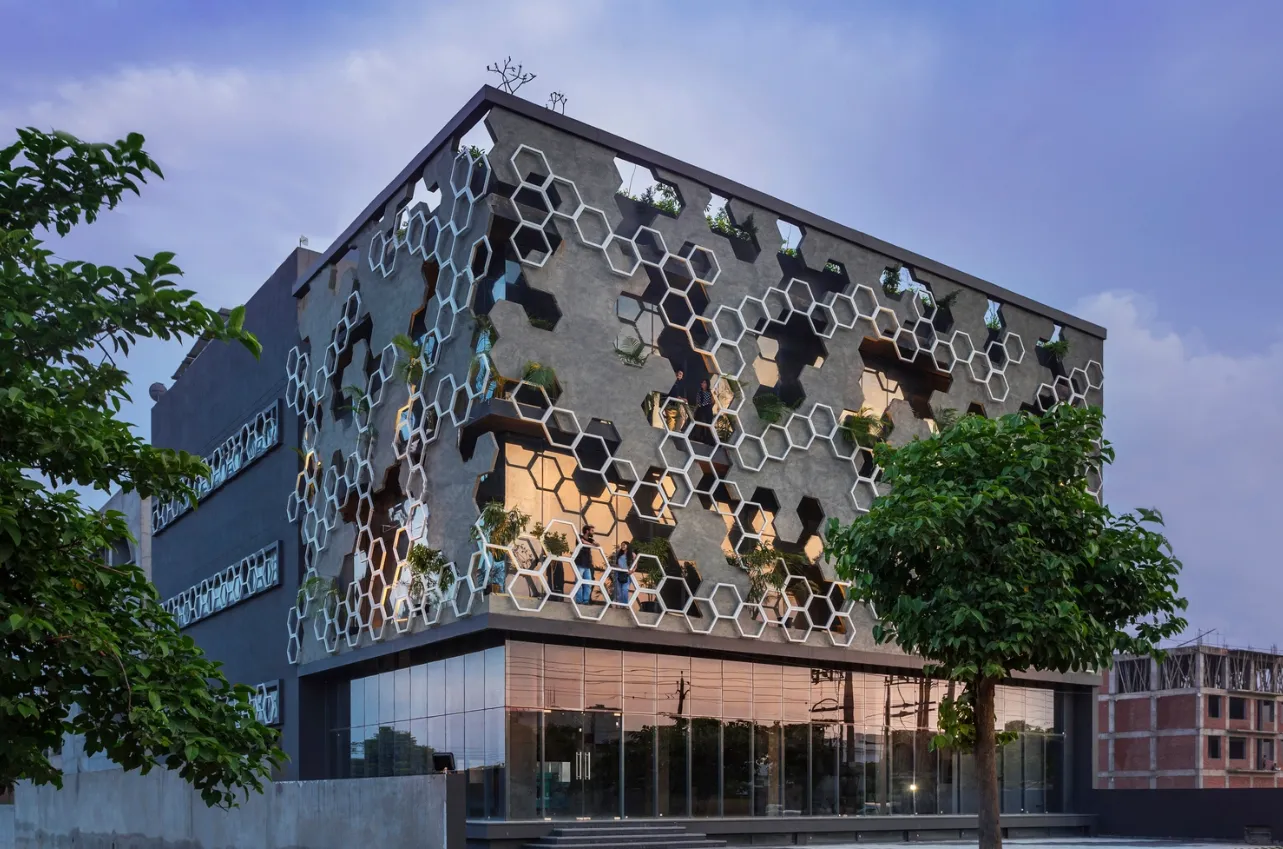
Architectural expression is a fundamental aspect of the urban landscape, contributing significantly to the character and perception of a city. Among the many components that form the visual identity of urban architecture, the facade of a building plays a pivotal role. It not only protects the internal structures from the external environment but also provides the first impression that powerfully communicates a building’s identity.
The Evolution of Facade Design
Historically, building facades were often created with a blend of functionality and ornamentation, with intricate stonework or expressive art deco elements. As we shift into the modern era, commercial building facades have transcended traditional boundaries, embracing innovative materials, sustainability, and technological integration.
Sustainability and Energy Efficiency
An increasingly crucial trend in facade design is the focus on sustainability and energy efficiency. Ethical and environmental responsibilities are now at the forefront of new developments. Modern facades often feature green technologies, such as photovoltaic panels, living walls, and advanced glazing systems that minimise heat gain while maximising natural light.
Innovative Materials
The choice of materials for modern facades has expanded vastly. Gone are days when stone, brick, and concrete dominated. Today, architects have an extensive palette including composites, metal cladding, glass, and engineered wood. Each material brings unique properties that can significantly enhance a building’s performance and aesthetic value.
Integration of Technology
Digital technology has made its way into facade design, changing the ways facades interact with their surroundings and users. Smart glass technologies, for instance, allow for the control of transparency and light based on external conditions, thus contributing to intelligent energy management. LED installations on facades are not merely for advertisements; they can serve as dynamic canvases that reflect the cultural essence of the locale.
Architectural Branding
For businesses, a facade can be a powerful branding tool. Architectural branding goes beyond logos and colours; it’s about creating a facade that embodies a company’s values and mission. Sleek glass, for instance, might suggest transparency and a forward-thinking mindset, whereas an industrial, raw material look could signify strength and reliability.
The Aesthetics of Facade Design
The aesthetic component of modern building facades cannot be underestimated. Not just a building’s functional envelope, facades shape the visual experience of the structure, influencing the mood and behaviour of both its users and passers-by. The interplay of shadows, reflections, textures, and colours contributes to a building’s unique signature and can create iconic landmarks within a cityscape.
Customisation and Personalisation
With advances in manufacturing and design technology, customisation of facade elements has become more feasible. Customised facades allow architects and designers to create unique patterns and textures that make a commercial building stand out. These tailored solutions can also cater to specific climatic conditions, providing optimal thermal comfort and energy efficiency.
The Impact of Regulations
While creativity and innovation in facade design are fundamental, it’s essential to acknowledge the impact of building regulations. These regulations ensure that facades are safe, accessible, and energy-efficient. Through compliance, architects are challenged to be inventive within a framework that prioritises the well-being of the society.
User Experience and Interaction
Modern facades are not merely static elements; they are increasingly designed with the user experience in mind. From interactive touch surfaces to facades that adapt their form based on pedestrian movement, the potential for interactive environments is vast. By considering the user, facades become more than just a protective shell; they transform into engaging interfaces that enhance urban life.
Adopting Local Character
While modernity often suggests a universal language of design, the importance of context cannot be ignored. The most successful modern building facades integrate local materials, patterns, and traditions, thus fostering a sense of place. They also acknowledge the surrounding built environment, creating a dialogue between the old and new.
The Challenge of Maintenance
As commercial facades get more complex and integrated with technology, the challenge of maintenance increases. Innovative designs must ensure that they are not only awe-inspiring on completion but that they remain functional and impressive through their lifecycle. Thus, considerations for cleaning, repairs, and upgrades are integral to facade design.
The Future of Commercial Facades
Facades will continue to evolve with the intersection of aesthetics, technology, and sustainability. The future will likely see more integration of responsive and adaptive systems that fundamentally alter facade utility. Biomimicry, where designs emulate nature’s solutions, is likely to play a role in creating facades that not only exist in harmony with the environment but actively contribute to it.
Conclusion
In conclusion, the modern facade is more than a building’s skin; it is a complex interface between the built and natural environment, a canvas for brand identity, a responsive element to user interaction, and an embodiment of architectural innovation. As we look to the future of architectural trends, it is clear that the facade will continue to be a central element in defining the aesthetic and functional value of commercial buildings.