

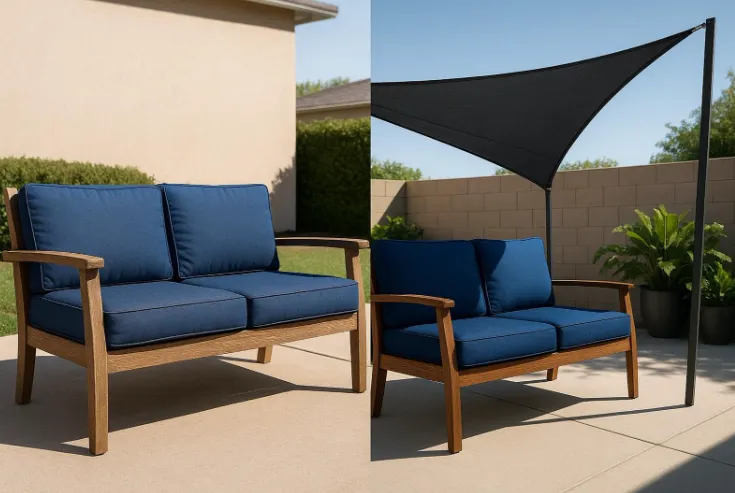
Are you tired of your beautiful outdoor furniture looking faded and worn long before its time, or stepping onto scorching hot patio surfaces during peak summer days?
The answer to these common problems, simple yet very effective, is the smart use of sun shade sails. These versatile, stylish, and practical covers help block harsh sunlight, protect your outdoor pieces, and add comfort to your space.
Sun shade sails do more than look good; they solve real issues caused by long hours of sun. By blocking harmful UV rays and lowering heat, they protect your furniture from early wear and keep patios and decks more comfortable to use.
Let’s look at how these smart shades work and why they are a smart add-on for any yard, patio, or garden.
Why Sun Exposure Fades Furniture and Heats Surfaces
The sun is great for outdoor living, but it can also be tough on furniture and surfaces. Its ultraviolet (UV) light triggers chemical changes in materials, which leads to fading, cracking, and other signs of wear.
Also, direct sun can raise the temperature of decks, pavers, and furniture a lot, making them uncomfortable or even risky to touch. Knowing how this happens is the first step to good protection.
How UV Rays Damage Furniture Fabrics and Finishes
UV light is the main cause of fading and breakdown in outdoor items. It weakens the bonds inside materials, especially the dyes and polymers in fabrics, plastics, and wood finishes. Over time, colors lose their brightness, so cushions look dull and washed out-much like a slow, invisible bleaching process.
Also, UV light can weaken structure over time. Plastics may turn brittle and crack, wood can dry out and warp, and metals can corrode faster if coatings wear down. Outdoor furniture is built to handle weather, but without protection, any material will show wear. Even “fade-resistant” items will age faster with constant sun.
Risks of Hot Surfaces in Outdoor Living Spaces
Sunlight doesn’t just fade colors; it also heats surfaces. Patios and decks soak up sunlight and convert it to heat. Dark surfaces can get much hotter than the air, which can hurt bare feet and be rough on kids and pets.
Heat can also stress materials, leading to expansion, contraction, cracking, or warping. The heat coming off these surfaces can make the whole area feel warmer, which pushes people back indoors even on a nice day.
Benefits of Using Sun Shade Sails to Prevent Fading and Overheating
Shade sails are a simple and effective answer to harsh sun. They are built to block UV rays and cut heat, bringing many benefits that go beyond looks.
They protect your furniture, make outdoor areas safer and more comfortable, and help you use your space during the hottest hours. In short, they act like a shield and help you enjoy your patio or garden more often.
How Sun Shade Sails Block UV Radiation
The main job of a sun shade sail is to block UV rays. Fabrics like high-density polyethylene (HDPE) are UV-stabilized and can filter up to about 95% of UV light. This is more than just shade; it blocks the invisible rays that cause damage to skin and materials.
If you’re looking for professional-grade UV protection, Shade4You offers shade sails made from premium HDPE fabrics designed to withstand sun exposure for years. Their products combine durability with elegant design, helping you create a comfortable and safe outdoor area while protecting furniture and surfaces from fading.
The weave and material are chosen for this purpose, giving strong protection that slows fading and wear. By absorbing and reflecting UV, shade sails help keep your furniture looking good for longer.
Reduces Surface Temperatures for Comfort and Safety
Shade sails also lower temperatures under the covered area. By blocking direct sun, surfaces do not soak up as much heat. In many cases, the shaded area can feel up to 20°F cooler, making a hot space feel comfortable again.
Cooler surfaces mean more time outside without discomfort. It also makes it safer to walk barefoot and gives pets and kids a cooler place to play, lowering the chance of burns.
Preserves Color and Longevity of Outdoor Furniture
By cutting UV exposure, shade sails help keep colors bright and materials in better shape. Cushions hold their color longer, and wood is less likely to dry, crack, or change color.
This saves money over time because you won’t need to refinish or replace items as often. Shade sails help your current furniture last longer and stay useful for years.
Choosing the Right Shade Sail for Maximum Protection
Picking the right sail means looking at material, size, shape, and strength. The right fit blends with your space and offers high protection from sun and weather.
Knowing the differences between fabrics and designs helps you pick what fits your needs and local weather best.
UV-Resistant Materials: Which Fabrics Work Best?
For the best UV protection and durability, fabric choice matters most. HDPE is a popular choice because it is strong, long-lasting, and resists mold and rot. It can block up to 95% of UV while still letting air move through.
Other good options include acrylic (very durable with good fade resistance) and PVC-coated polyester (good if you want waterproofing). Woven mesh is also common for its airflow and partial visibility, though UV blocking varies with weave density. Look for UV-stabilized fabrics for long-lasting performance.
| Material | UV Block | Breathable | Water Resistance | Best Use |
| HDPE | Up to ~95% | Yes | Good for light rain | General shade, cooler areas |
| Acrylic | High | Moderate | Resists light rain | Fade-resistant color, long life |
| PVC-coated polyester | High | Lower | Waterproof options | Rain protection and shade |
| Woven mesh | Varies | Yes | Low | Airflow and visibility |
Size, Shape, and Color Considerations
Pick size and shape based on the area you want to cover and how the sun moves during the day. Triangles are flexible and look modern, and you can layer them for effect. Squares and rectangles cover larger spaces like big patios or decks. Custom shapes can be made to fit special layouts.
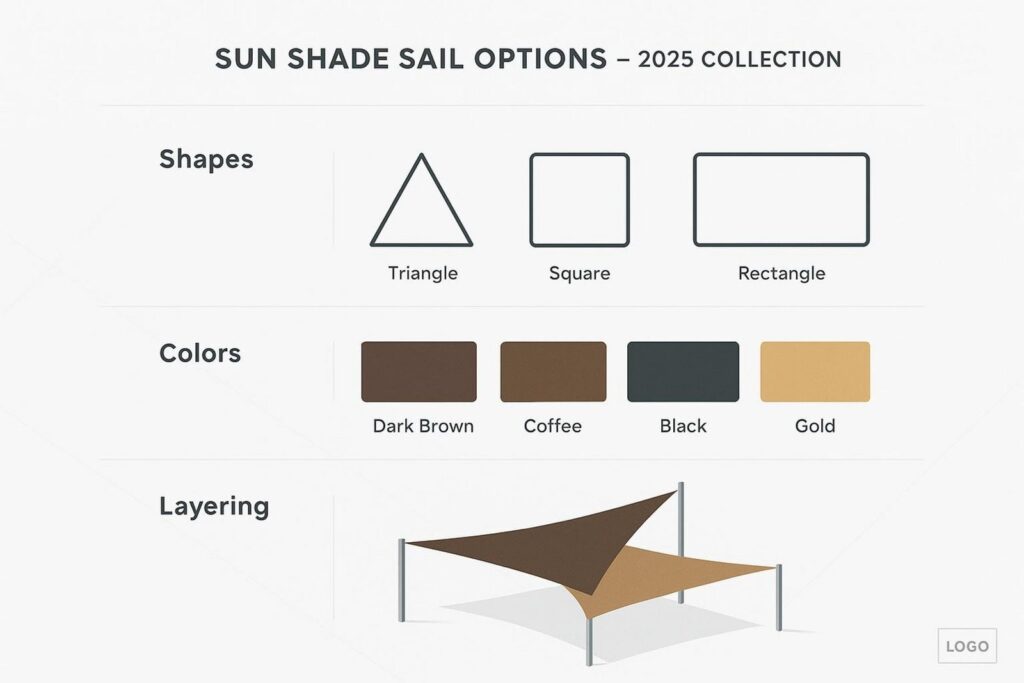
When choosing a color, lighter shades reflect more light and can feel cooler underneath. Darker colors often block more light but may absorb more heat. Neutral tones like dark brown, coffee, or black gold are popular and pair well with bold accents. Choose a style that fits your home while still doing the job you need.
Weather Resistance and Durability Factors
Since sails face sun, wind, and rain, sturdiness matters. Quality HDPE and similar fabrics handle sun and moderate wind well. Use stainless steel hardware for hanging; it resists rust and holds strong.
Install with good tension and a slope so wind can pass and water does not pool. For tough weather-heavy snow, hail, or strong storms-you may want to take sails down to help them last longer. Follow the maker’s guidance for your specific model.
Best Practices for Installing Sun Shade Sails
Good installation makes your sail safer and longer lasting. A solid setup gives good shade and stands up to wind and rain, so your money is well spent. Plan your layout, choose strong anchors, and install with care.
Avoiding common mistakes can save time, money, and future repairs.
Selecting Optimal Placement and Anchor Points
Plan placement before you unroll the sail. Check the area you want to cover and watch the sun’s path, especially during peak hours. Hang the lowest corner toward the sun to get more shade where you need it.
Choose strong anchor points, such as solid walls, steel posts, or mature trees. If you need new posts, set them in concrete. Use stainless steel eye bolts for walls or posts; they resist rust well and hold tight.
Installing for Maximum Shade Coverage
To get the most shade, set the sail at an angle of about 20-40 degrees. This angle helps with tension and wind and lets rain run off so water does not pool.
Use the right hardware-turnbuckles, D-shackles, and carabiners-for a secure, tight setup. Tighten the sail until it is firm but not overstretched to stop flapping. For large spaces or to cover gaps, overlap multiple sails at different heights and angles for better coverage and a striking look.
Common Mistakes to Avoid in Installation
- Loose sails: Keep the fabric tight to avoid flapping and water pooling.
- Weak anchors: Use strong walls, posts, or hardware that can handle the load.
- Poor wind and water planning: Angle the sail so wind can pass and rain can drain.
Maintenance Tips to Keep Shade Sails Effective
Regular care keeps your shade sail looking good and working well. Simple cleaning and checks go a long way and help it last longer.
Skipping maintenance can lead to faster wear, less shade, and a tired look. Use these easy steps to keep your sail in good shape.
Regular Cleaning and Inspection
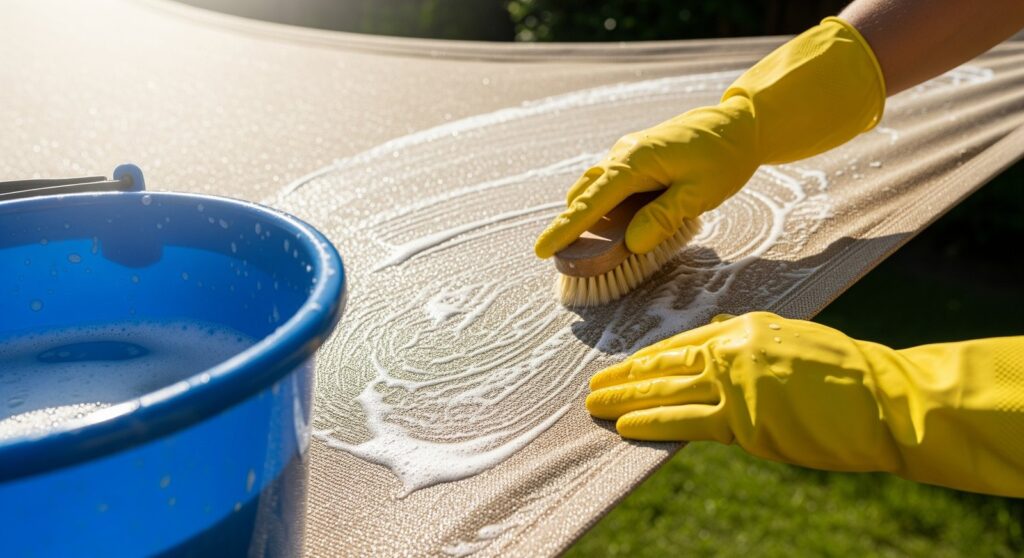
Regular cleaning helps stop dirt and debris from building up. Wash the sail now and then with mild detergent and warm water. Use a soft brush or sponge for stains and avoid harsh chemicals or abrasive cleaners. Let the sail dry fully before rolling or storing it to avoid mold and mildew.
Check the sail and hardware often. Look for frayed edges, small tears, or loose seams. Inspect anchors, turnbuckles, and ropes for rust or damage. Fix small problems early to avoid bigger repairs and to keep the sail safe and steady.
Monitoring for Wear, Tear, and UV Degradation
All sails age with sun exposure. Watch for thinning fabric, fading, or brittleness. Even UV-stabilized fabrics wear down after long, intense sun.
Keep an eye on tension. If the sail sags, the fabric may have stretched or hardware may need adjusting. Keep it tight to reduce flapping and stress on anchors. If damage is serious, replace the sail or ask a pro for repairs.
Removing and Storing Shade Sails in Extreme Weather
Many sails handle normal weather well, but take them down for severe conditions like strong winds, heavy snow, or hail. Taking sails down for winter can help them last longer.
Before storage, clean and dry the sail completely. Fold or roll it neatly and store it in a cool, dry place out of direct sun. Good storage helps prevent mold, mildew, and extra UV exposure, so your sail is ready for the next season.
Frequently Asked Questions about Sun Shade Sails and Furniture Protection
If you plan to add a shade sail to your outdoor area, you may have questions. Here are clear answers to common topics so you can choose with confidence and get the most from your sail.
Can Shade Sails Withstand Different Weather Conditions?
Yes. Most quality sails use UV-resistant fabrics like HDPE and handle strong sun, moderate winds, and light rain. But they do have limits. Heavy rain, strong winds, hail, and snow can cause damage.
Remove sails during severe weather to avoid rips, stretching, or anchor damage. Check the maker’s advice for your model, since materials and builds differ.
How Long Do UV-Resistant Shade Sails Last?
Lifespan depends on fabric quality, sun exposure, weather, and care. UV-stabilized HDPE sails are built to last and often serve 5-10 years or more with proper care. UV protectants are blended into the fabric during production, which helps them stand up to sun over time.
Constant harsh weather, loose tension that allows flapping, and skipped cleaning can shorten life. Regular checks and timely removal during rough conditions help the sail last longer.
Will Shade Sails Protect All Types of Outdoor Surfaces?
Yes. Shade sails help protect many surfaces by blocking UV and lowering heat. They guard furniture fabrics and finishes, wood decks, composite boards, pavers, concrete, and outdoor rugs from fading, cracking, warping, and discoloration.
They also keep surfaces cooler and more comfortable for bare feet. This wide coverage makes shade sails a good fit for most outdoor areas.
What Is the Best Way to Clean and Maintain a Shade Sail?
Use mild detergent and warm water. Gently scrub with a soft brush or sponge to remove dirt and stains. Avoid bleach, harsh chemicals, and abrasive tools that can damage fabric and reduce UV resistance.
Rinse well and let the sail air-dry completely before rolling or storing. Check for fraying or loose fittings and fix small issues early. During extreme weather or long breaks, take the sail down and store it in a cool, dry place to help it last longer.