

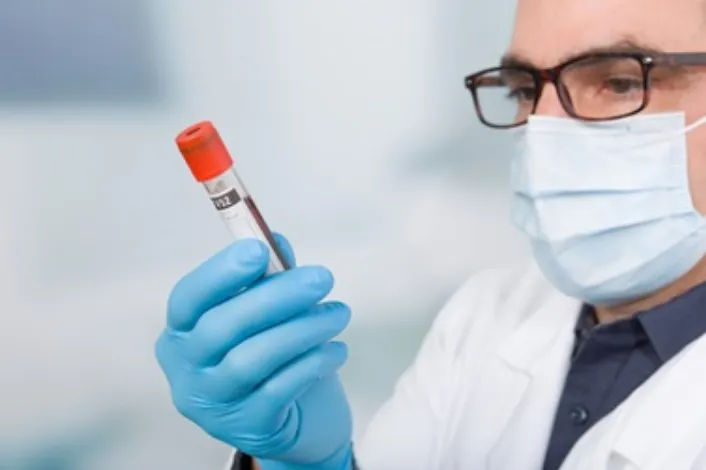
In Arkansas, a chemical test result in a DWI case can significantly impact the outcome, but it is not always definitive. To ensure justice, it’s essential to challenge these results when they are flawed or unreliable. Lemley DWI & Criminal Defense Lawyers are highly skilled at scrutinizing chemical test procedures and questioning their accuracy.
By utilizing expert testimony and carefully reviewing the methods used, these lawyers work tirelessly to weaken the prosecution’s evidence, providing clients with the best possible defense.
Examining Testing Procedures
Lawyers often examine the methods used in the chemical testing. Protocols need to be followed from the outset. The results can look questionable if law enforcement officials do not follow protocols. Improper collection, handling, or storing of samples could introduce errors. An attorney may investigate to find a breach of standard practice to undermine the prosecutor’s evidence.
Equipment Calibration and Maintenance
Breathalyzers and blood-testing devices must be maintained regularly. This requires that these machines be calibrated accurately to ensure they deliver dependable outputs. Defense attorneys often seek maintenance records for the testing equipment. The defense can assert that the results may not be accurate if there are gaps or calibration issues. Even a slight defect or lapse in maintenance can create reasonable doubt.
Chain of Custody Concerns
A documented chain of custody must be maintained for every chemical sample. It means that the sample, which was tested, actually belonged to the accused person. If there is a break or inconsistency in this chain, it can trigger suspicion. A lawyer will check the records to ensure an appropriate chain of custody was maintained at each step. Whenever there exist gaps, a case may argue that exhibits could be interfered with or swapped.
Medical Conditions and Substances
Several health problems may alter the readings of chemical testing. Abnormal results may also occur in people with diabetes, acid reflux, or other disorders. Even legally consumed medications and food products may distort test results, affecting either a breath or a blood test. Defense lawyers typically consult doctors to examine these options. A reasonable medical explanation can call into question the validity of the evidence.
Time Between Driving and Testing
The accuracy of chemical tests is highly dependent on timing. The body will process alcohol at different rates over time. Conducting a test several hours after the driving incident may not accurately represent the driver’s condition at that time. The defense argument also draws attention to the delays or gaps between the arrest and the time when testing is carried out. This raises the question of whether the results truly reflect the state of the accused when they are alleged to have committed the offense.
Challenging Officer Training and Experience
This means officers must undergo proper training in chemical test administration. A lawyer can determine if the person who did the tests was suitably qualified. The other issue is inexperience or inadequate training. If the test was not properly administered, the defense can motion to rule the results inadmissible.
Alternative Explanations and Scientific Evidence
Sometimes, scientific evidence can explain elevated readings. Prosecutors may present experts to critique the methodology or propose alternative explanations for the results. Breathalyzer results can be influenced by a number of factors, for example, environmental conditions or contact with certain substances. Using all this information, the defense casts reasonable doubt on the prosecution’s evidence.
Motions to Suppress and Other Legal Hurdles
One strategy is to suppress the results of chemical tests. A judge may exclude the evidence if the defense can show rights violations or failure to follow procedures. This critical evidence would bolster the prosecution’s case. The courthouse can effectively use these motions.
Conclusion
In a DWI case, the results of a chemical test are crucial. Yet there are a few ways to challenge their reliability. Defense attorneys follow the orientation measures—the chief thing they need is to be knowledgeable about the procedures, devices, human factors, and medical conditions advocated. Knowing about these challenges ensures that a fair process is guaranteed and that principles of justice are maintained.