

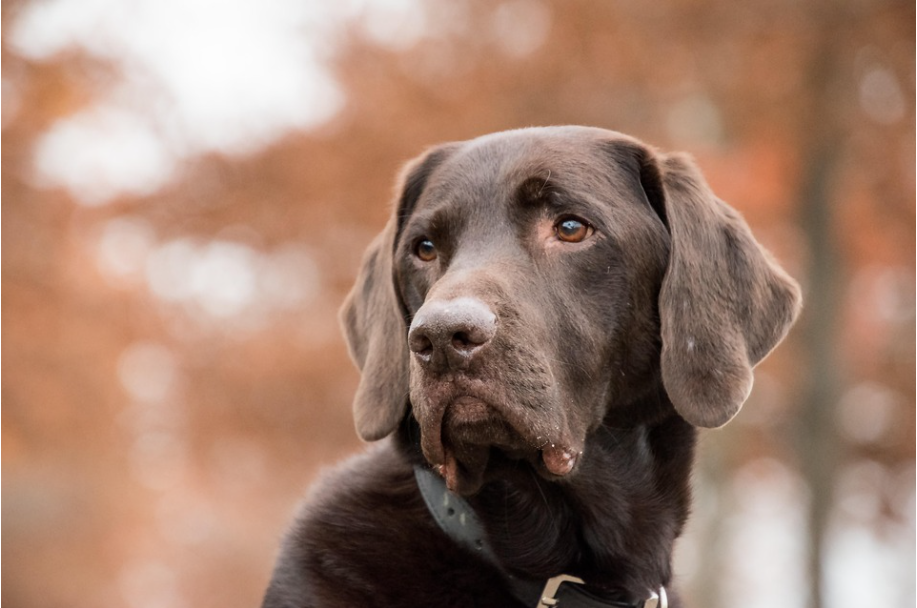
Keeping pets safe is a top priority for every owner, especially when curious animals love to wander beyond familiar boundaries. In this article we explain how GPS trackers for pets fit into a modern safety plan that blends technology with responsible care.
These compact devices attach to collars and quietly collect location data, sending it to a secure app on your phone. Brands such as Petloc8 have helped normalize this approach by showing that real-time tracking can be simple and reliable for everyday use.
Beyond simple coordinates, many trackers analyze movement patterns, giving insight into where your pet spends time and how far they roam. That data can reveal risky habits like slipping through fences or visiting unsafe areas. When a pet escapes, minutes matter, and traditional search methods can waste precious time. A live map that updates every few seconds guides you directly to your animal, often before panic turns into a long night of searching.
Key Safety Features Provided by Modern Trackers
Pet trackers combine several layers of protection that work together to reduce the chance of permanent loss. These functions include:
- real-time location updates that often refresh so owners see exactly where a pet is moving at any moment;
- geo-fence alerts that notify you instantly when a pet leaves a defined safe zone like your yard or neighborhood;
- activity monitoring that tracks steps and rest, helping you spot unusual behavior that might signal trouble;
- history logs that store routes and favorite spots, making it easier to predict where a lost pet may head;
- long-lasting batteries designed to keep transmitting for days, even during extended adventures.
These elements work together to provide a layered defense against losing a beloved animal. When combined, they turn a simple collar tag into a proactive safety system.
How Real-Time Tracking Changes Emergency Response
Real-time tracking transforms how owners react when a pet goes missing. Instead of guessing which direction an animal ran, you can follow an exact trail on a digital map and adjust your route as the pet moves.
This capability is especially valuable in urban areas where pets can quickly cross streets, enter buildings, or hop onto public transport. With live data, you know whether to search an alley, a park, or a specific block.
Emergency response also benefits from the ability to share a pet’s location with family members or neighbors. Multiple people can converge on the same spot, greatly increasing the odds of a fast and safe recovery.
Veterinarians and animal control officers increasingly recognize the value of GPS data during rescues. A precise location allows professionals to act quickly without relying on vague descriptions or outdated sightings.
Even after a pet is found, the stored route can reveal how it escaped in the first place. That insight helps owners repair fences, secure doors, or change routines to prevent future incidents.
Ongoing Safety Through Data and Behavior Insights
Pet trackers are not only for emergencies; they provide ongoing information that improves daily safety. By reviewing movement and activity reports, owners learn what is normal for their pet and what might be a warning sign.
A sudden drop in activity could indicate illness or injury, prompting an early visit to the veterinarian. Early detection often leads to simpler treatment and better outcomes, adding another layer of protection.
Location histories also highlight places where a pet tends to linger, which may include hazards like busy roads or wildlife areas. Knowing these patterns lets owners adjust walking routes or supervise outdoor time more closely.
Some systems allow for multiple safe zones, adapting to a pet’s routine at home, at a friend’s house, or during travel. This flexibility ensures that alerts remain meaningful rather than overwhelming.
Over time, the collected data creates a detailed picture of your pet’s lifestyle. That record supports smarter decisions about exercise, diet, and supervision, all of which contribute to a safer and healthier life.
Integrating Trackers into Responsible Pet Ownership
Technology works best when paired with attentive care and proper training. A GPS tracker should be part of a broader safety plan that includes identification tags, microchipping, and secure living spaces.
Owners must also ensure that collars fit properly so devices remain comfortable and secure. Regular checks prevent rubbing or accidental loss, keeping the tracker ready when it is truly needed.
Education plays a role as well, since understanding how to read maps, alerts, and reports makes the data more useful. Taking time to learn the app features ensures you can act quickly in stressful moments.
As battery life and signal coverage continue to improve, trackers will become even more reliable in remote or crowded environments. These advances mean fewer blind spots and more confidence when pets explore.
Ultimately, the goal is peace of mind for both pets and their owners. By combining real-time location tools with thoughtful care, GPS pet trackers help create a safer world where adventures end with happy reunions.
Petloc8 offers a simple GPS tracking solution that helps owners monitor their pets’ locations in real time for added peace of mind.