

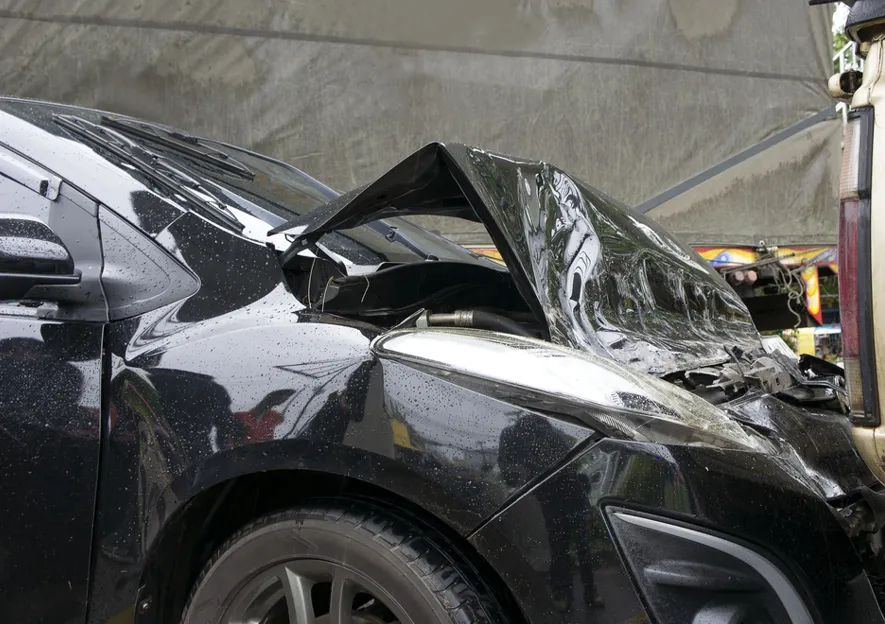
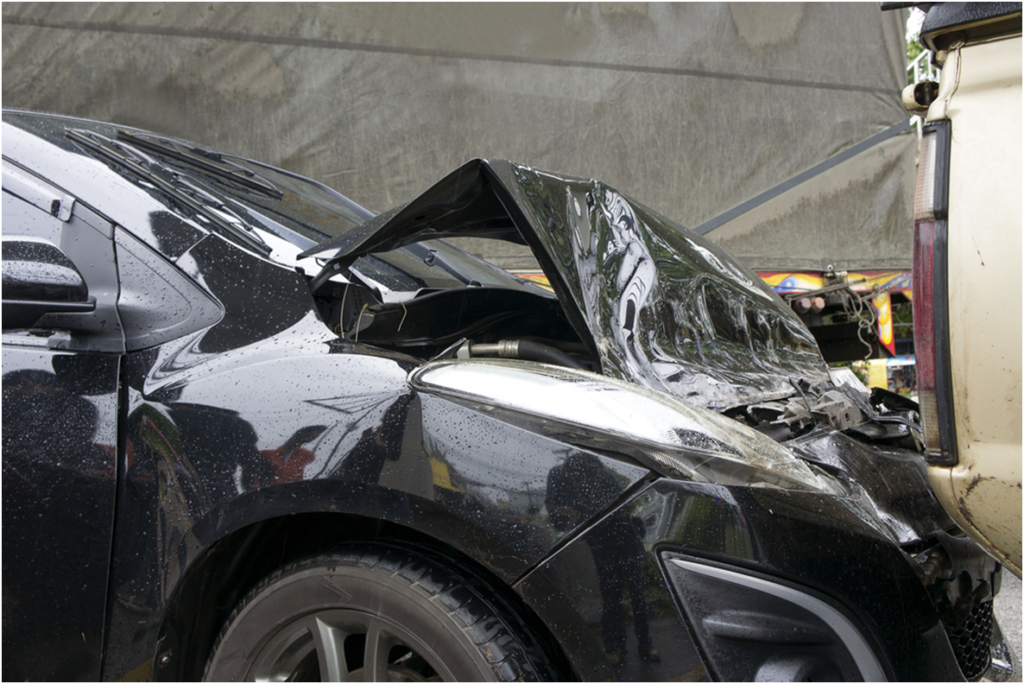
A crash site changes quickly after impact, even though it may appear stable at first glance. Broken glass, bent metal, and tire marks seem to preserve the full story, but these details begin to fade or get removed within a short time.
As minutes pass, important clues slowly disappear, making it harder to understand the exact sequence of events later. While injuries draw immediate attention, the physical evidence on the road often holds the most accurate record of what happened. Before a car accident lawyer becomes involved, the scene is already being altered by cleanup, traffic movement, and time, which can affect clarity.
Physical Clues That Fade from the Road First
The most visible evidence after a crash is also the first to disappear. Skid marks that show braking patterns begin fading as traffic moves over them. Broken parts of vehicles are quickly cleared during towing, even if they hold important clues about the force and direction of impact. Small fragments of glass, plastic, or paint transfer often get swept away without being noticed.
Road surface details also matter more than they seem. Tire friction lines, debris spread, and final resting positions of vehicles help explain how the crash unfolded. Once vehicles are moved, that original position is gone forever. Even basic cleanup work can remove details that no report can fully recreate later.
Key physical evidence that vanishes quickly includes:
- Skid marks that show speed and braking.
- Broken vehicle parts that reveal impact direction.
- Glass and debris patterns on the road.
- Final vehicle positions before towing begins.
- Surface marks caused by sudden turning or force.
Once these elements are gone, the accident becomes harder to reconstruct with precision, leaving gaps that cannot be filled later with certainty.
Digital Evidence That Looks Permanent but Is Not
Digital records create a false sense of safety because they feel permanent. CCTV cameras near roads often record continuously, but many systems overwrite footage within days. Traffic cameras may store recordings only for a limited time. Unless someone acts quickly, important video evidence simply gets replaced by new data.
Dashcams from other vehicles can also hold valuable proof, but they are rarely collected immediately. If not saved in time, recordings can be lost through routine storage limits or simple overwriting. Mobile phone recordings face the same risk when they are not backed up or reviewed early.
Even vehicle-based systems like GPS tracking and onboard devices store data in cycles that refresh automatically. What looks saved today may not exist a week later without proper preservation steps.
Once digital proof disappears, rebuilding the event depends more on interpretation than direct evidence, which weakens clarity in many claims involving a car accident lawyer review later in the process.
Witness Memory That Slowly Becomes Unstable
People at the scene often believe they will remember everything clearly, but memory does not stay stable for long. Small details like speed, distance between vehicles, and timing of signals begin to shift within days. Stress during the incident also affects how the brain stores information, which leads to gaps or mixed recall later.
Two people watching the same crash may describe it in completely different ways after some time has passed. Each person remembers fragments, not full sequences, and those fragments do not always match.
Common memory gaps include:
- Unclear timing of events.
- Different views of vehicle speed.
- Confusion about the signal or lane position.
- Missing details about distance or direction.
- Inconsistent descriptions over time.
Once these differences appear, the original story becomes harder to piece together. What seemed simple at first turns into multiple versions of the same event, each slightly different from the other.
Why Lost Evidence Matters More Than Injuries Alone
Injuries show the impact of a crash, but they do not fully explain how it happened. Legal outcomes depend heavily on evidence that proves the sequence of events. When physical marks, digital records, and witness memory begin to fade, the foundation of a claim becomes weaker even if injuries are serious.
Insurance assessments often rely on available proof rather than assumptions. Missing details can create space for questions that delay or reduce clarity in a case. Once early evidence is gone, rebuilding the full picture becomes difficult, and later explanations must rely on limited information.
A car accident lawyer often works with whatever remains of that early evidence, but the strength of the case is directly tied to how much was preserved at the beginning. Without that foundation, even valid claims may face added complexity.
Wrap Up!
A crash scene changes faster than most people realize. Physical clues fade into cleanup, digital data disappears through system cycles, and witness memory slowly loses detail. Each layer removes something important from the original truth of the incident.
What stays in the early hours often becomes the backbone of every explanation that follows. Once those details are gone, the story of the crash depends less on certainty and more on reconstruction. That is why the earliest stage after a collision quietly decides how clearly everything can be understood later.