

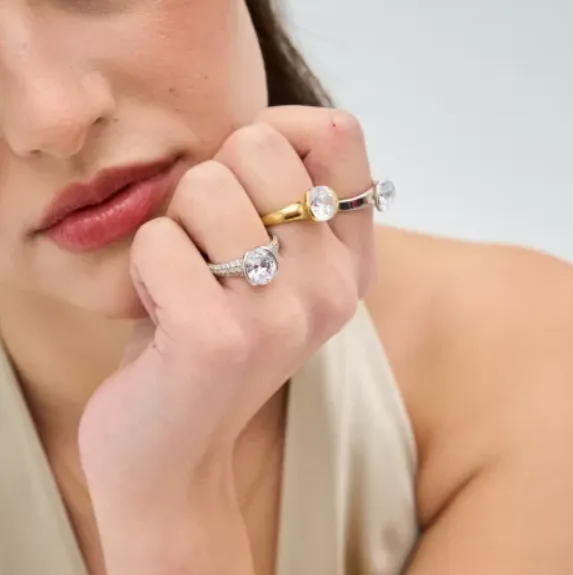
Jewelry has always been a reflection of cultural taste, personal identity, and evolving design sensibilities. In recent years, a quiet but powerful shift has taken place in the way people approach adornment. Instead of bold, high-contrast finishes dominating collections, subtle metal tones have stepped into the spotlight. These softer hues bring a sense of refinement that aligns with modern preferences for versatility and understated elegance.
This movement is not simply about aesthetics. It reflects broader lifestyle trends where consumers are leaning toward pieces that transition effortlessly between occasions and express individuality without overwhelming an outfit. From muted golds to gentle silvers and warm blush tones, contemporary jewelry design is embracing nuance in ways that feel both timeless and distinctly current.
The Rise of Soft Metallic Palettes
The popularity of subtle metal tones can be linked to a growing appreciation for minimalism and intentional design. As fashion trends shift toward neutral color palettes and clean lines, jewelry has followed suit. Designers are prioritizing metals that complement rather than compete with clothing, allowing wearers to build cohesive looks with ease.
Soft metallic finishes also align with the increasing demand for longevity in style. Unlike highly polished or overly ornate pieces that can feel tied to a specific era, understated tones tend to age gracefully. Industry experts often emphasize that consumers today are investing in jewelry that can be worn for years without appearing outdated. This preference naturally favors metals that maintain relevance across changing trends.
Subtle tones offer greater inclusivity when it comes to skin tones and personal style. Warmer hues such as blush-toned golds flatter a wide range of complexions, while softer silvers provide a gentle contrast without appearing stark. This adaptability has contributed to their growing presence in both high-end collections and everyday wear.
Rose Gold and the Shift Toward Warmth
Among the various subtle tones, rose gold has played a particularly influential role in reshaping contemporary jewelry trends. Its soft pink undertone introduces warmth without being overly bold, making it a favorite for those seeking something different from traditional yellow gold or silver.
Designers have embraced this tone for its emotional appeal as much as its visual qualities. Rose gold often conveys a sense of romance and approachability, which resonates with modern consumers who value meaning behind their accessories. It feels personal without being flashy, a balance that is increasingly sought after in today’s market.
This shift is especially evident in the growing popularity of rose gold bracelets, which have become staples in layered jewelry looks. These pieces blend seamlessly with other metals, encouraging wearers to experiment with combinations that were once considered unconventional. The result is a more relaxed and expressive approach to styling that reflects individual taste rather than rigid fashion rules.
Mixing Metals with Confidence
One of the most notable outcomes of the rise in subtle tones is the normalization of mixing metals. In the past, strict guidelines often dictated that gold should not be worn with silver. Today, those boundaries have largely dissolved, replaced by a more fluid and creative mindset.
Subtle metal tones make this blending process more natural. When finishes are softer and less reflective, the contrast between different metals becomes less pronounced. This allows for combinations that feel harmonious rather than conflicting. For example, pairing a muted gold necklace with a soft silver ring can create a balanced look that feels intentional rather than accidental.
Fashion authorities and stylists frequently highlight this trend as a reflection of broader changes in personal expression. Consumers are moving away from prescriptive fashion rules and toward choices that feel authentic. Jewelry, as a deeply personal form of adornment, has become a key area where this freedom is explored. The ability to mix metals without hesitation empowers individuals to curate collections that evolve with their style.
Everyday Wear and Practical Elegance
Another reason subtle metal tones are gaining traction is their practicality. Modern lifestyles demand accessories that can transition seamlessly from casual settings to more formal environments. Jewelry that is too bold or reflective can feel out of place in certain contexts, whereas softer tones maintain a consistent elegance across different occasions.
This practicality is particularly important for professionals and individuals with dynamic daily routines. Pieces in understated tones can be worn at work, during social gatherings, and even in more relaxed settings without needing to be changed. This versatility reduces the need for large jewelry collections while still allowing for stylistic variety.
Subtle finishes tend to show wear less obviously than highly polished metals. Scratches and minor imperfections are less noticeable, which contributes to a longer-lasting appearance. This durability aligns with the growing emphasis on sustainability and mindful consumption. Consumers are increasingly drawn to items that offer both aesthetic appeal and functional longevity.
The Influence of Craftsmanship and Design Philosophy
The shift toward subtle metal tones has also encouraged a renewed focus on craftsmanship. When color and finish are more restrained, the quality of design and construction becomes more apparent. Details such as texture, form, and proportion take center stage, allowing artisans to showcase their skill in more nuanced ways.
Many contemporary designers are drawing inspiration from natural elements and organic forms. Soft metal tones complement these influences by enhancing rather than overshadowing intricate details. This approach results in pieces that feel thoughtful and well-balanced, appealing to consumers who appreciate artistry as much as style.
Industry leaders and design institutions consistently emphasize that this renewed attention to craftsmanship reflects a broader cultural appreciation for authenticity. In an era where mass production is common, finely crafted jewelry stands out as something meaningful and enduring. Subtle metal tones play a key role in highlighting these qualities, reinforcing their importance in modern design.
Conclusion
Subtle metal tones have redefined what modern jewelry looks and feels like, shifting the focus from bold statements to quiet sophistication. Their rise reflects a deeper change in consumer values, where versatility, authenticity, and long-term wearability matter more than fleeting trends. By embracing softer hues, both designers and wearers are finding new ways to express style with intention and balance.
As jewelry continues to evolve alongside contemporary lifestyles, these understated tones are likely to remain a defining feature of the industry. They offer a rare combination of elegance and practicality, making them suitable for everyday wear while still carrying a sense of refinement. In choosing pieces that reflect this approach, individuals are not just following a trend but investing in a style that feels enduring, personal, and effortlessly modern.