

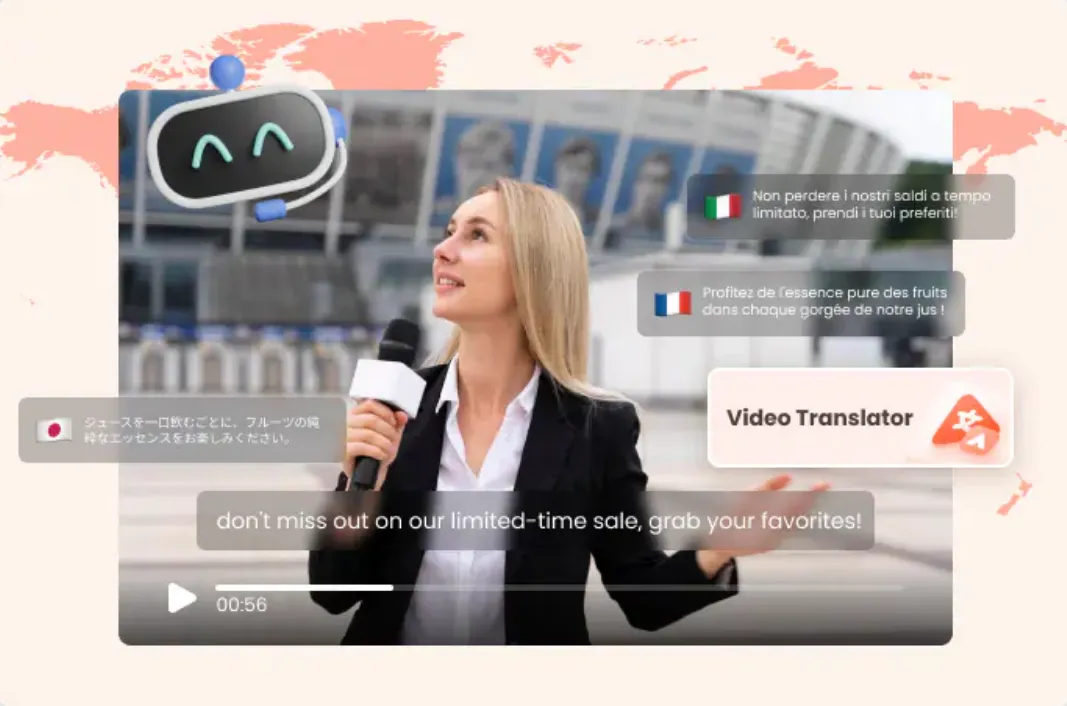
Once upon a time, if you wanted to watch a foreign film or TV show, you had two choices: read subtitles or listen to dubbed audio that often felt… well, off. The lips didn’t match, the voices felt unnatural, and the emotion sometimes got lost in translation. Fast forward to today, and we’re living in a world where AI dubbing online is quietly transforming how we consume content across languages and cultures.
Whether you’re a solo YouTuber, an educator with international students, or a business trying to reach customers in multiple regions, AI dubbing is becoming a game-changing tool. But what exactly is it, and why is everyone talking about it?
Let’s dive into this fascinating intersection of language, technology, and creativity.
What Is AI Dubbing?
In simple terms, AI dubbing is the process of using artificial intelligence to translate and re-record audio in a different language. But it’s not just a voiceover — it’s far more sophisticated. AI dubbing involves understanding the original speaker’s tone, pace, and emotion, then creating a new voice track in the target language that sounds natural and synchronized with the original video.
In the past, dubbing required studios, voice actors, translators, and hours of editing. Now, thanks to AI tools and platforms available online, it can be done in a fraction of the time — and at a much lower cost.
How Does AI Dubbing Work?
To understand how it all comes together, it helps to break it down into a few key steps:
1. Speech Recognition
The AI listens to the original audio and transcribes it into text. This process is called automatic speech recognition (ASR). The better the ASR, the more accurate the translation will be.
2. Translation
The audio is translated into the target language after it has been transcribed. High-quality AI translation tools take context into account, which is especially important when dealing with idioms, humor, or emotional expressions.
3. Voice Generation
Here’s where things get interesting. Using text-to-speech (TTS) technology, the AI generates a new voice track. Some platforms offer realistic, human-sounding voices. Others go a step further with voice cloning, which means the dubbed voice can sound like the original speaker, just in another language.
4. Synchronization
To make the final product watchable and engaging, the dubbed voice is synced with the video. Advanced tools even adjust lip movement to better match the dubbed language, making the whole experience feel more authentic.
Why AI Dubbing Is Taking Off
The buzz around AI dubbing isn’t just hype — there are real reasons why this tech is capturing attention across industries.
It’s Affordable
Traditional dubbing can be expensive, especially for small content creators or companies working on tight budgets. With AI, you can dub a video for a fraction of the cost, often without hiring a full production team.
It’s Fast
Need to localize a product demo or training video into five languages by tomorrow? AI dubbing tools can do in hours what used to take days or weeks.
It Scales
Whether you’re dubbing one video or an entire content library, AI tools can scale with you. You can reach audiences in 10, 20, or even 50 languages without burning out your budget.
It’s Getting Better Every Day
What used to sound robotic or awkward is quickly improving. The latest AI voices are expressive, nuanced, and often indistinguishable from human speech. Some platforms even let you add emotional tone — serious, excited, calm — to match the mood of your message.
Who’s Using AI Dubbing?
AI dubbing isn’t just for tech nerds or early adopters. It’s already being used in some pretty familiar places:
YouTubers and Influencers
Creators can now easily reach international viewers without recording multiple versions of the same video. A vlogger in Los Angeles can speak to fans in Tokyo, São Paulo, and Berlin — all without learning a new language.
Online Education
Platforms like Coursera, Udemy, and edtech startups are using AI dubbing to localize courses for students worldwide. It’s a huge step toward making education more accessible.
Businesses and Brands
Companies use AI dubbing for product tutorials, internal training videos, and customer support content. It helps create a more inclusive experience for global users.
News and Media
News outlets and content distributors are using AI dubbing to push breaking news to global audiences faster than ever, without compromising clarity or tone.
Pros and Cons of AI Dubbing
Like any technology, AI dubbing isn’t perfect. It has strengths, but also a few weaknesses that are worth keeping in mind.
✅ Pros
- Cost-effective: No need to hire voice actors or rent studios.
- Fast turnaround: Projects can be completed in minutes.
- Multiple languages: Many tools support dozens of languages.
- Customizable voices: Clone your voice or choose a tone that fits your brand.
❌ Cons
- Emotion and nuance: While improving, AI still struggles with complex emotional delivery.
- Translation gaps: Machine translation isn’t always perfect, especially with slang or cultural references.
- Lip-sync limitations: Some tools offer visual syncing, but it’s not always seamless.
- Ethical questions: Voice cloning raises concerns about consent and impersonation.
AI Dubbing vs. Human Dubbing: Which Is Better?
This question doesn’t have a one-size-fits-all answer. If you’re working on a high-end drama series or animated film, human dubbing might still be the gold standard — nothing beats the subtlety and depth a real actor can bring.
But for the majority of everyday content — like YouTube videos, explainer clips, training materials, or social media posts — AI dubbing is often more than good enough. And in some cases, it might be preferable, especially when budgets and timelines are tight.
The Best AI Dubbing Tools Online
If you’re curious to try it out for yourself, several platforms are leading the charge in AI dubbing:
- HeyGen—Offers dubbing with realistic voice avatars and support for dozens of languages. Great for creators.
- Synthesia—known for professional-grade video dubbing with AI avatars.
- ElevenLabs offers cutting-edge voice synthesis and cloning capabilities.
- Papercup—Tailored toward media companies and broadcasters.
- Descript—Popular for editing podcasts and videos with built-in voice generation.
Most of these platforms offer free trials or demos, so you can experiment before committing to a plan.
What’s Next for AI Dubbing
The future of AI dubbing is incredibly exciting. As models continue to learn and improve, we can expect even more human-like voices, real-time dubbing for live events, and deeper integration with platforms like Zoom, TikTok, and streaming services.
Imagine joining a video call with someone who speaks a different language and hearing them speak in real time — in your voice, in your native language. That kind of cross-cultural communication isn’t science fiction anymore — it’s right around the corner.
Final Thoughts
AI dubbing online is more than just a convenience; it’s a powerful tool that’s opening doors, breaking down language barriers, and helping creators connect with audiences like never before.
As with any tool, the key is using it thoughtfully — respecting cultural differences, being transparent when voices are cloned, and always striving for accuracy and clarity. But when used well, AI dubbing has the potential to make the world a little smaller, a lot more connected, and infinitely more inclusive.
Whether you’re telling stories, teaching skills, or building a global brand, your voice, in every language, is now within reach.