

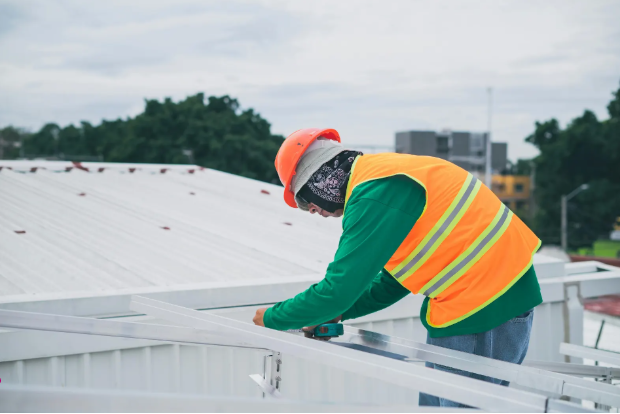
Roofing contractors take on a unique set of challenges with every project. Balancing precision, efficiency, and safety is no small task when working at height or handling heavy materials. Smart practices, consistent training, and the right tools can make all the difference. Whether managing a small crew or overseeing large-scale jobs, roofing professionals who prioritize safety and efficiency protect not just their teams but their businesses as well. Here’s how roofing contractors can stay sharp, safe, and successful on every job site.
Invest in the Right Safety Equipment
Every successful roofing project begins with the right equipment. Supplying crews with top-grade safety gear is not optional. Hard hats, safety goggles, slip-resistant boots, and harnesses should be standard. Quality matters more than cost when safety is at stake. Make it a practice to check gear regularly, replacing anything that shows signs of wear. A safe worker is a productive worker.
Commit to Ongoing Training
Experience alone doesn’t guarantee safety. Regular training sessions refresh critical safety habits. Weekly toolbox talks or monthly workshops help crews stay updated on current standards and guidelines. Resources like OSHA provide excellent material to build a solid training program. Reinforcing good practices consistently shapes a reliable safety culture.
Master Ladder Safety
Ladders are an everyday tool on the job site, but they deserve serious respect. Always set ladders on level surfaces and secure them properly. Damaged or worn ladders must be removed immediately. Following the “three points of contact” rule greatly reduces the risk of accidents. Investing a few extra minutes in setup can save significant trouble down the line.
Handle Materials Properly
Roofing involves moving heavy loads and awkward materials. Encouraging workers to use safe lifting techniques helps prevent back injuries. Distribute weight evenly, avoid rushing, and use mechanical lifts when available. A simple back strain can sideline a worker for days, so small steps make a big difference.
Maintain a Clean, Organized Work Site
Cluttered job sites cause preventable accidents. Assign someone to monitor debris removal throughout the day. Keeping tools organized and pathways clear reduces tripping hazards. When everyone commits to cleanliness, the entire team benefits. Good housekeeping is one of the simplest, most effective safety measures available.
Implement Fall Protection Systems
Falls remain one of the leading risks in roofing. Guardrails, personal fall arrest systems, and safety nets should be installed as needed. Every system must undergo routine inspection and maintenance. Even the best fall protection system is useless if it’s compromised. Prioritize safety checks just as you would other critical job tasks.
Conduct Daily Safety Inspections
Problems spotted early are problems solved easily. Assign a trained team member to perform daily safety inspections. Equipment, work surfaces, and access points all need close attention. Addressing minor issues promptly prevents bigger issues later. Safety inspections are a simple habit with powerful results.
Promote Strong Communication
Clear communication helps prevent confusion and mistakes. Use two-way radios, hand signals, or agreed-upon verbal cues. Everyone on site should know the communication protocols. A brief morning meeting to discuss the day’s plan also helps identify potential risks. Teams that communicate well work safer and faster.
Stay Alert to Weather Conditions
Weather impacts roofing work directly. High winds, heavy rain, or extreme temperatures introduce added risks. Monitor weather forecasts daily and be ready to pause operations if needed. No deadline is worth endangering your crew. Flexibility in scheduling during harsh weather shows both good leadership and respect for safety.
Have Proper Insurance Coverage

Even with all precautions in place, accidents can happen. Having solid liability insurance protects both the contractor and the client. Prime Insurance Company specializes in providing tailored insurance solutions for roofing professionals. With dependable claims service and deep industry knowledge, they offer peace of mind when it’s needed most.
Smart Planning Leads to Safer Jobs
Successful projects start with good planning. Consider access points, material staging, and fall protection needs before the first shingle is laid. Detailed pre-job meetings prevent last-minute scrambles that often lead to mistakes. A little foresight saves time, money, and reduces risk.
Encourage Accountability
Safety is everyone’s responsibility. Empower every worker to speak up if they notice a hazard. Building a culture where safety concerns are welcomed improves job site morale and reduces accidents. Top-down commitment combined with bottom-up participation strengthens the safety net for everyone.
Focus on Physical Wellness
Roofing is physically demanding. Encourage hydration, proper nutrition, and stretching before starting work. A team in good physical condition is less likely to experience injuries. Supporting wellness efforts off the jobsite pays off on the roof.
Keep Learning from Near Misses
Not every close call ends in injury, but every near miss provides a learning opportunity. Review incidents promptly, identify what went wrong, and adjust procedures if needed. Transparency builds trust and a safer work environment.
Use the Right Tools for the Job
Right tools make roofing jobs safer and more efficient. Using makeshift tools or the wrong equipment often leads to unnecessary risks. Keep inventories updated, and provide training on new tools as they are introduced. Time spent getting familiar with a tool is always well spent.
Protect Against Heat Stress
Hot days create additional challenges on rooftops. Schedule work earlier in the day during peak summer months. Rotate crews when possible and offer plenty of shaded breaks. Recognizing early signs of heat exhaustion protects workers and keeps projects on track.
Practice Electrical Safety
Working near power lines or installing electrical fixtures requires extra caution. Maintain a safe distance from power sources and use insulated tools when needed. Proper grounding and adherence to local codes help prevent serious incidents. For homeowners in deregulated states like Pennsylvania, it’s also wise to stay informed about PA compare electric rates to ensure you’re getting the best deal while maintaining safe, efficient energy use.
Install Roof Anchors Correctly
Roof anchors are critical components of fall protection. Improper installation renders them ineffective. Follow manufacturer guidelines strictly and inspect all anchorage points regularly. A reliable anchorage system provides confidence and security at height.
Encourage Smart Footwear Choices
Footwear is often overlooked but plays a key role in jobsite safety. Choose boots designed specifically for roofing — with strong grip, ankle support, and slip-resistance. Lightweight options help reduce fatigue, allowing workers to stay alert longer.
Emphasize Personal Responsibility
At the end of the day, each worker’s choices matter. Instilling a mindset of personal responsibility helps crews take safety seriously. Recognizing good behavior and celebrating milestones without accidents encourages everyone to stay vigilant.
Adapt Strategies for Different Roof Types
Not every roof presents the same challenges. Steep-slope roofing demands different approaches than flat roofing. Train crews specifically for the surfaces they’ll encounter. Flexibility and adaptation reduce mistakes and keep workers safer.
Stay Current on Local Regulations
Building codes and safety regulations change over time. Staying informed helps avoid fines, delays, and accidents. Partnering with knowledgeable suppliers and legal advisors supports compliance efforts effortlessly.
Plan for Emergency Response
Accidents demand swift action. Every site should have a clear emergency response plan. Posting emergency contacts, first aid kits, and clearly marked exits keeps workers prepared. Regular drills can turn preparedness into muscle memory.
Highlight the Value of Experience
Pairing newer workers with seasoned roofers fosters mentorship and safer practices. Knowledge passed down through real-world experience often prevents mistakes that textbooks miss.
Pave the Way for Success
Prioritizing safety and efficiency doesn’t just protect workers’ health. It boosts reputation, builds client trust, and lays a strong foundation for a thriving roofing business. A smart approach to safety today secures better opportunities tomorrow.
When contractors treat safety as a daily commitment rather than a checklist, the results speak for themselves. Choosing the right safety gear, maintaining excellent training programs, and staying alert to changing conditions creates a professional atmosphere where workers thrive. Roofing demands respect, skill, and constant vigilance — and by meeting those demands head-on, contractors build stronger businesses and safer teams.