

Table of Contents
- Why Senior Drivers Need Special Considerations
- Top Factors Affecting Insurance for Seniors
- Ways Seniors Can Lower Auto Premiums
- Safe Driving Habits For Older Adults
- Choosing the Right Coverage as a Senior
- When To Shop Around For Better Rates
- Conclusion
Key Takeaways
- Seniors may be eligible for unique car insurance discounts and considerations after retirement.
- Driving habits and vehicle choices can impact insurance premiums for older adults.
- Simple, research-backed strategies help maintain adequate coverage and find competitive rates.
- Reviewing and updating policies regularly ensures ongoing savings and protection.
Why Senior Drivers Need Special Considerations
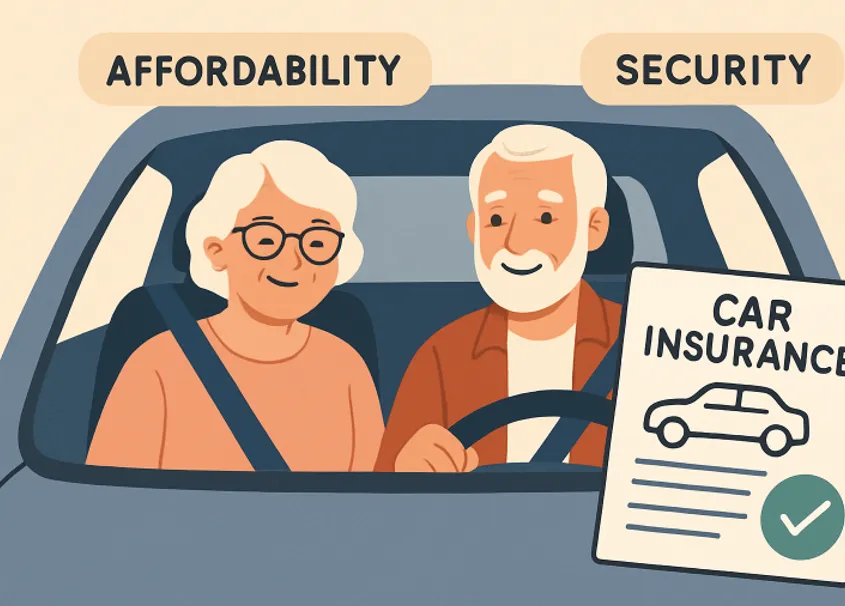
Finding affordable car insurance becomes especially important during the retirement years, when many seniors are living on a fixed income. Insurance carriers recognize that older adults often drive fewer miles, tend to avoid risky driving behaviors, and maintain vehicles in good condition. At the same time, physical changes and increased vulnerability in accidents can impact risk. That’s why exploring tailored car insurance options with companies that understand seniors’ needs—such as https://www.thehartford.com/aarp/car-insurance—can help strike a balance between savings and coverage.
Leveraging senior-specific car insurance programs not only opens doors to lower premiums but also ensures policies reflect unique lifestyles and driving habits. Companies offering senior-friendly benefits may provide accident forgiveness, disappearing deductibles, or flexible usage-based plans. As these options grow in popularity, it becomes easier for seniors to customize coverage that supports both safety and financial peace of mind.
Top Factors Affecting Insurance for Seniors
Multiple variables influence how much seniors pay for car insurance. Insurers consider factors such as age, driving history, claims record, the type and age of the vehicle, and geographic location. Most notably, premiums may rise after age 75 because statistics show an increased likelihood of serious injury in accidents, regardless of fault. Retirees who no longer commute frequently or who drive primarily in local, familiar areas can sometimes qualify for lower rates based on reduced annual mileage. According to Kiplinger, seniors can also explore discounts by completing defensive driving courses, bundling policies, or maintaining a clean driving record, all of which can contribute to meaningful savings on insurance.
Specific driver characteristics and life changes, such as moving to a less congested neighborhood, downsizing vehicles, or taking on a part-time driving role, can all impact premium calculations. Being aware of these factors and adjusting plans accordingly is key to finding the best value in senior car insurance.
Ways Seniors Can Lower Auto Premiums
- Take defensive driving courses: Many insurers offer insurance discounts for completing state-approved courses, which reinforce safe driving knowledge and refresh vital skills.
- Ask about age-related savings: Insurers often provide exclusive discounts to retirees, individuals who have reduced their driving, or long-term policyholders with a clean driving record.
- Bundle policies: Combining auto insurance with homeowners or renters insurance can qualify seniors for multi-policy savings.
- Increase deductibles: If financial circumstances allow, opting for a higher deductible can lower monthly premiums while ensuring essential coverage remains intact.
- Review and adjust coverage: Regularly assessing coverage levels helps eliminate unnecessary features, especially if the vehicle is paid off or has depreciated significantly.
Safe Driving Habits For Older Adults
Maintaining a spotless driving record is the most effective long-term strategy for minimizing insurance costs. Seniors can improve safety by driving during daytime hours, choosing less congested routes, and consistently scheduling medical checkups to monitor vision, hearing, and reflexes. Adapting driving habits to physical changes, such as avoiding highway driving if it feels uncomfortable, further reduces the risk of incidents that could impact coverage affordability. According to guidance for older adults from the National Institute on Aging, staying informed about safe driving practices and making adjustments based on personal abilities can significantly enhance safety. Regular vehicle maintenance and using up-to-date navigation aids to avoid distractions are also innovative tactics.
Choosing the Right Coverage as a Senior
Cost savings should never come at the expense of necessary protection. Seniors may wish to consider dropping collision or comprehensive coverage on older vehicles while ensuring liability limits remain high enough to cover potential expenses. Optional features, such as roadside assistance or rental reimbursement, can provide peace of mind during challenging situations. Consultations with insurance agents help align coverage with current health status, driving frequency, and lifestyle changes.
Annual policy reviews are recommended to adapt to changing needs—whether that means adding extra services, adjusting deductibles, or exploring telematics programs that reward safe driving behaviors with additional discounts.
When To Shop Around For Better Rates
Insurance needs often shift following retirement, relocation, or the purchase of a new vehicle. Market experts recommend comparing quotes every 12 to 24 months, as even small lifestyle changes—such as annual mileage reductions or relocating to a safer zip code—can unlock valuable savings. Comparison shopping is easy with online quote tools, but involving a trusted agent can clarify unfamiliar policy terms and highlight senior-specific offers.
Conclusion
Senior drivers face a unique challenge in striking a balance between maintaining safety and managing insurance costs. As physical changes and lifestyle adjustments influence driving habits, understanding the factors that affect premiums, such as age, vehicle type, driving history, and mileage, is essential. Leveraging senior-focused programs, exploring discounts, and maintaining safe driving practices can help retirees secure coverage that is both affordable and tailored to their needs. Regularly reviewing policies, consulting with agents, and considering adjustments based on health, vehicle, or lifestyle changes ensures that seniors stay protected while maximizing savings. By taking a proactive and informed approach, older drivers can enjoy greater peace of mind on the road without compromising financial security.