

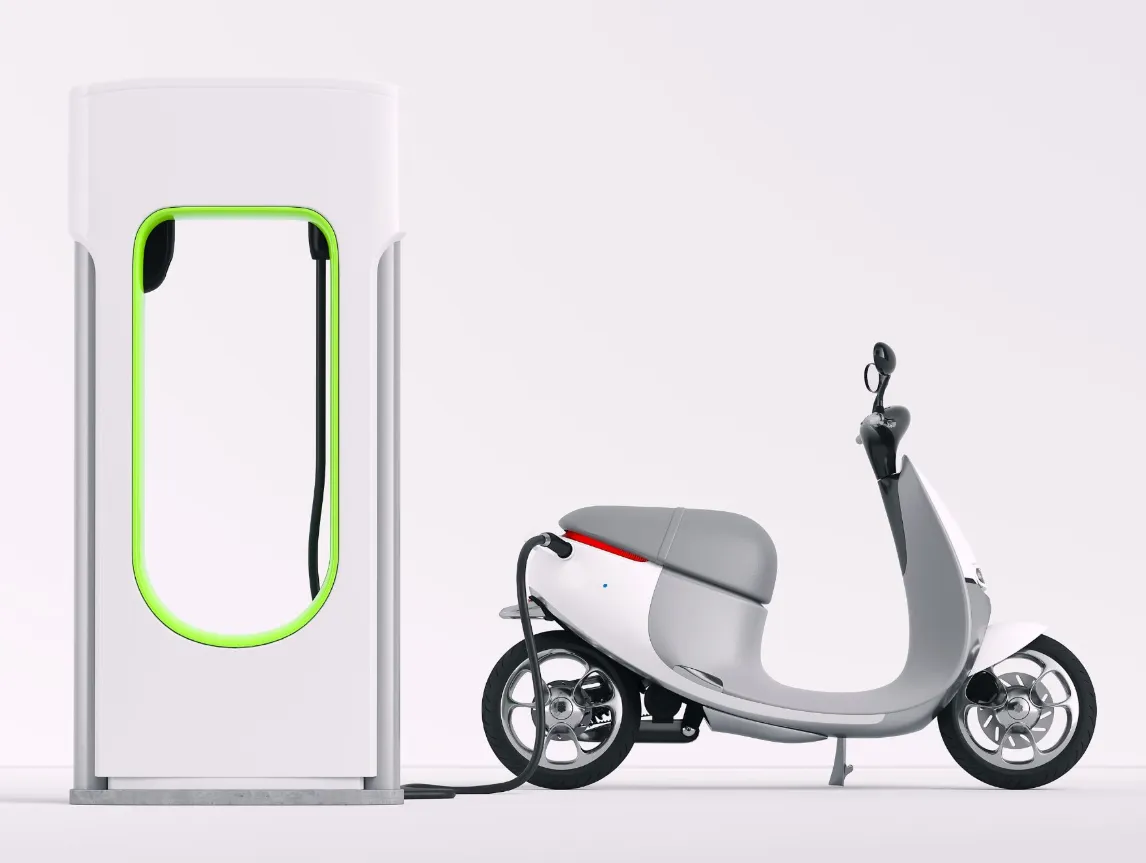
Scooter apps have grown well beyond basic rental listings. They are now smart mobility platforms powering fleets across cities, campuses, resorts, and communities. Operators today must balance rider expectations, regulatory demands, and efficient operations. In that mix, eazyride features offer the kind of technology that helps you do more with less.
Riders expect instant unlocks, smooth payments, and accurate tracking. Fail even briefly, and you risk losing them. In one study, one in five customers abandoned the registration process mid-flow. For operators, that kind of friction is costly — in lost revenue, poor reviews, and reduced fleet utilization.
In this blog, we will walk through seven game-changing features every scooter app should include. These features are designed to elevate your app from a mere rental to a true mobility experience. You’ll see how each can boost efficiency, delight riders, and help build a more resilient and scalable fleet.
Hyperlocal Geofencing & Smart Zones
For any shared mobility operator, control over where rides start, stop, and move is critical. Geofencing does more than prevent misuse — it shapes rider behavior, improves safety, and ensures regulatory compliance. When paired with smart zone logic, it transforms fleet management from a reactive to a strategic approach. Operators can reduce clutter on sidewalks, guide parking, and optimize demand distribution without requiring constant manual intervention.
Dynamic Geo-Zones Based on Demand
A static map cannot match the fluid nature of rider activity. Dynamic geo-zones adjust automatically based on live usage, time, and traffic data.
Here’s how operators can use this:
- Monitor demand signals: Ride starts, trip density, idle time, and maintenance patterns.
- Expand busy zones: When demand spikes near transit hubs or campuses.
- Shrink inactive zones: Reduce coverage in low-traffic areas to save resources.
- Add buffer zones: Create “slow-speed” or “pause” areas for safety compliance.
- Predict movement: Use past data to plan tomorrow’s optimal zones.
Dynamic zoning ensures that every scooter is placed where it can earn the most. It also reduces rider frustration caused by no-ride or no-parking zones that feel arbitrary.
Tiered Pricing & Zone Incentives
Geofencing works best when paired with a pricing strategy. Incentives help shape rider behavior naturally, rather than through penalties.
- Offer discounts or bonus minutes for ending rides in approved zones.
- Add a small fee for ending outside target areas.
- Use temporary surge pricing during peak hours or events.
- Send in-app notifications to encourage riders to make better parking choices.
A study on shared scooter parking found that only 28% of scooters met all city rules, while 72% had at least one parking violation. Smart incentives can significantly reduce violations and decrease the rebalancing workload.
For operators, hyperlocal geofencing isn’t just a compliance tool — it’s a profit lever. Smarter zones mean better asset use, happier city partners, and a smoother rider experience.
Offline / Edge Mode & Robust Connectivity
Even the best scooter apps face connectivity gaps. From crowded city centres to remote resorts, signal loss can disrupt rides and frustrate users. Offline or edge mode ensures uninterrupted operation, even when the network connection is lost. For operators, it means fewer failed trips, smoother payments, and happier riders.
Bluetooth & Mesh Fallbacks
When mobile data fails, scooters can still communicate through Bluetooth or mesh connections.
- Bluetooth pairing: Allows the rider to unlock and lock scooters directly from their phone, even without an internet connection.
- Mesh networks: Nearby scooters share short-range signals to pass essential data back to the cloud.
- Local caching: The app stores trip data temporarily until the signal returns.
- Instant sync: Once online, the app uploads logs, ride distance, and billing details.
These fallbacks protect ride continuity. They prevent dropped sessions that lead to billing errors or incomplete trips. For operators, this reduces support requests and ensures accurate reporting.
Grace Periods & Sync Recovery
Connectivity gaps should never mean lost revenue or angry riders. Grace periods help maintain trust and accuracy.
- Auto-pause timers: Pause rides during long signal drops without unfairly charging users.
- Trip recovery: Once the app reconnects, it resumes the same session with synced GPS and billing.
- Smart notifications: Alert riders if the system detects poor coverage or sync delays.
- Edge validation: The scooter validates location and ride status locally until cloud data is updated.
These features enable operators to maintain system reliability even in challenging environments, such as underground parking or densely populated campuses. Offline resilience is more than just a backup — it’s an integral part of the user experience. A robust offline mode ensures a smooth and dependable ride every time, even in unpredictable connectivity conditions.
AI-Driven Predictive Maintenance & Diagnostics
Downtime hurts more than just fleet numbers. Every scooter stuck in a workshop means missed rides, refund requests, and unhappy users. Predictive maintenance changes this by turning routine upkeep into an automated, insight-driven process.
AI-powered systems analyze hardware data in real-time, predict wear patterns, and help operators take action before parts fail. The result is a fleet that stays active longer, costs less to maintain, and delivers safer rides.
Onboard Health Sensors & Alerts
Smart sensors built into scooters continuously track battery, motor, and braking performance.
- Battery health tracking: Flags voltage drops or poor charge retention early.
- Motor diagnostics: Detects overheating or reduced torque efficiency.
- Brake sensors: Record friction and wear from repeated use.
- Instant alerts: Notify operators before a fault turns into a breakdown.
- Fleet dashboard: Consolidates alerts and live stats for quick action.
These sensors eliminate guesswork and keep maintenance teams focused on scooters that truly need attention.
Predictive Part Replacement
AI doesn’t just detect issues — it predicts them. By analyzing trip duration, rider behavior, and environmental factors, the system predicts when a component is likely to fail.
| Component | Data Monitored | Predicted Trigger | Action Suggested |
| Battery | Voltage drops, charge cycles | Drop below 80% capacity | Schedule replacement |
| Brake Pads | Friction count, wear ratio | 70% wear threshold | Replace during next service |
| Motor | Temperature, torque variance | Continuous overheating trend | Inspect cooling and wiring |
| Tires | Trip distance, terrain data | 2,000 km average use | Rotate or replace |
Predictive replacement helps plan parts inventory and reduce urgent repairs. Fleets stay on the road, not in the garage.
For operators managing hundreds of vehicles, this automation ensures uptime, safety, and consistency across all service areas. Predictive diagnostics turn maintenance from a cost burden into a long-term asset.
Group Rides, Social & Gamification Layer
Riding is more fun when it’s shared. Group ride features help operators turn simple transport into an engaging experience. This keeps users engaged for longer and fosters loyalty among local communities, campuses, and tourist groups.
Team Trips & Shared Rides
Group rides allow users to start and end trips together from the same app.
- Host mode: One rider unlocks multiple scooters for friends or coworkers.
- Sync tracking: Each ride records individual data while staying under one payment.
- Perfect for campuses or events: Simplifies coordination for large gatherings.
- Safety Management: The group leader receives real-time alerts for all linked vehicles.
This feature encourages more spontaneous rides and reduces friction when traveling with others.
Leaderboards, Badges & Social Sharing
Gamification increases user engagement without adding complexity.
- Leaderboards: Rank top riders by distance or ride frequency.
- Badges: Reward safe riding, eco-friendly habits, or milestone trips.
- In-app sharing: Allow riders to post achievements directly to social media platforms.
- Community events: Run monthly ride challenges with reward codes.
When riders see their progress, they return more often. For operators, these features help boost retention and create brand advocates.
Modular Multi-Vehicle Support
Many operators now run mixed fleets with scooters, e-bikes, and compact EV pods. A modular system allows users to switch easily, while providing operators with unified control.
Cross-Vehicle Booking / Switching
- Single session: Start on a scooter, switch to an e-bike mid-ride.
- One app view: Manage all vehicles in the same interface.
- Context-based suggestions: Offer faster or more comfortable options nearby.
- Seamless transfers: Data, such as time, distance, and billing, syncs automatically.
This flexibility enhances convenience, particularly for riders transitioning between zones or terrains. It also helps operators increase utilization across vehicle types.
Unified Wallet & Segmented Billing
A unified wallet simplifies payment while keeping cost tracking precise.
- One wallet for all rides — regardless of vehicle.
- Auto-segmentation: Split fare by vehicle type or trip leg.
- Multi-currency support: Ideal for tourist rentals or cross-region fleets.
- Transparent summaries: Riders see exact costs per vehicle used.
This approach reduces billing confusion and builds trust through clear pricing.
Adaptive Fare Models & Smart Pricing
Static pricing often fails in dynamic markets. Smart pricing helps operators stay profitable while keeping rides affordable.
Time-, Distance-, and Demand-Based Pricing
- Hybrid fare logic: Combine time, distance, and surge conditions.
- Peak-hour adjustments: Adjust prices based on traffic intensity.
- Zone-based modifiers: Adjust fares by pickup or drop-off areas.
- Real-time monitoring: Ensure fair pricing across changing conditions.
Adaptive pricing strikes a balance between rider satisfaction and predictable revenue.
Subscription Plans & Bundled Packages
Long-term users prefer consistent costs. Subscription plans offer just that.
- Daily, weekly, and monthly passes: Attract commuters or tourists.
- Ride bundles: Offer 10-ride or hour-based packs at discounted rates.
- Loyalty Rewards: Earn points or credits for taking frequent rides.
- Auto-renewal: Maintain high retention with seamless renewals.
Subscriptions stabilize cash flow and encourage repeat usage. For operators, they turn occasional riders into loyal members of the mobility network.
Deep Analytics & Operator Transparency
Data drives every decision in micromobility. From rebalancing to pricing, operators rely on accurate insights to keep fleets efficient and profitable. Deep analytics transform raw ride data into actionable insights that enhance both daily operations and long-term planning.
Transparent reporting also builds trust — with riders, city authorities, and internal teams. When everyone sees the same performance metrics, collaboration becomes easier and accountability stronger.
Heatmaps, Utilization & Idle Zones
Visual analytics help operators see exactly where their fleet earns and where it waits.
- Heatmaps: Display ride density and parking hotspots.
- Idle zone detection: Identify underused areas and plan rebalancing schedules.
- Trip duration tracking: Understand how long vehicles stay active before sitting idle.
- Performance overlays: Compare demand against weather or event data.
- Historical trends: Spot patterns and predict high-traffic hours or locations.
These insights help reduce wasted trips, plan relocation efficiently, and improve fleet ROI. Operators running city fleets or campus programs can optimize coverage and avoid the costs of over-deployment.
Real-Time KPI Dashboards & Alerting
Real-time dashboards let teams monitor the fleet’s health minute by minute.
- Core KPIs: Uptime, active fleet ratio, cost per ride, and average trip distance.
- Profitability metrics: Monitor revenue per vehicle and maintenance cost ratio.
- Smart alerts: Notify managers about low-usage vehicles, charging issues, or abnormal downtime.
- Team visibility: Share dashboards with maintenance, operations, and city partners.
Instant visibility means faster responses to problems and more effective planning for the next day. The right analytics system doesn’t just report; it helps teams act at the right time.
Conclusion
Modern scooter apps are no longer just booking tools; they have evolved into comprehensive platforms. They are intelligent mobility systems that strike a balance between efficiency, safety, and user experience. Each of the seven features — from geofencing and offline modes to predictive maintenance and deep analytics — transforms daily operations into data-driven mobility management.
For operators, this shift means fewer manual tasks, lower costs, and stronger user loyalty. Riders get smoother experiences and more transparent pricing. Cities see cleaner operations and better compliance data.
Now is the time to audit your current app stack. Identify gaps in automation, analytics, or scalability. Start by prioritizing one or two high-impact upgrades, such as predictive maintenance or adaptive pricing, that directly improve uptime and revenue.