

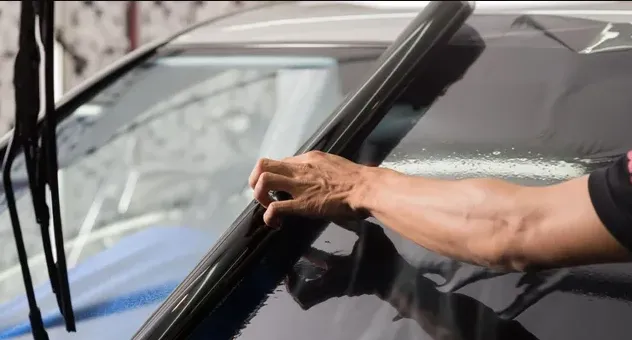
For businesses dealing with automotive and aftermarket services, knowing the different types of window tint and how to choose the right one for vehicles is instrumental in giving quality services to customers. Automotive dealerships and service centers, as well as aftermarket installers, depend on paint protection film suppliers and window tint wholesalers for reliable and effective products. This article covers the major types of window tint, their benefits, and how B2B businesses can select the right option for their customers.
Grasping the Importance of Window Tint
Window tinting is more than an aesthetic enhancement. It has functional features, such as protection from harmful UV rays, reducing heat, and enhanced privacy. For businesses in the B2B segment, offering professional tinting services requires acquiring grade films that their clients want. Working with reliable paint protection film suppliers gives companies the ability to stock various films that can boost productivity and service the customers better.
The primary benefits of window tint are as follows:
- UV Protection: Diminishes the impact of harmful UV rays, thus shielding occupants and the vehicle’s interior from damage.
- Heat Rejection: Enhances comfort by diminishing the heat in the vehicle.
- Privacy and Security: Maintains a vehicle’s aesthetic appeal while preventing unwanted visibility.
- Aesthetic Enhancement: Gives the vehicle an up-to-date and elegant appearance.
Types of Window Tint
Knowing the types of window tint helps B2B companies understand what solution to recommend to their customers based on their specifications, vehicle type, and budget.
Dyed Window Tint
Dyed tints are the simplest and least expensive option. They contain a layer of dye that absorbs heat and glare. This type of tint provides modest UV protection and average heat rejection, but is popular among businesses that serve price-sensitive customers. Since dyed films have a straightforward installation, these films are ideal for volume tinting businesses.
Metalized Window Tint
Metalized films contain tiny metallic particles that reflect heat and UV rays. They are more durable than dyed films and provide better heat rejection. Metalized window tints are a dependable mid-tier option for B2B companies, as they add aesthetic value while offering functional features. One drawback is that metalized tints disrupt electronic signals, like GPS or radio, in some vehicles.
Carbon Window Tint
Carbon tints are distinguished by their matte finish and high durability. Compared to dyed films, they offer better heat rejection and do not fade over time. Automotive service providers usually recommend carbon films to clients who need something stylish and durable. It is popular among commercial and fleet clients due to its balanced price and performance.
Ceramic Window Tint
Ceramic tints are the premium option in the window tint market. They provide heat and UV rejection while offering great optical clarity. Ceramic films do not fade or interfere with electronics, which makes them ideal for luxury vehicles, fleet services, and high-end automotive dealerships. Businesses looking to stand apart with their product offering can invest in premium window tints.
Hybrid Window Tint
Hybrid films offer balanced performance by incorporating dyed and metalized layers. While they provide better heat rejection and UV protection than dyed films, they are less reflective than metalized films. Hybrid tints are appealing to customers who want enhanced protection while keeping the price reasonable. For B2B clients looking for a compromise between basic and premium, hybrid films are the perfect solution.
Other Important Considerations When Choosing a Window Tint
Besides the cost, there are a number of factors that need to be taken into consideration regarding the window tint of a vehicle. For B2B organizations, the clientele needs, vehicle model, and surrounding weather conditions need to be taken into consideration.
Quality of the Film
In order to provide a vehicle window film, it must ensure a high-quality grade. A reliable paint protection film supplier is able to provide these types of films as well as ensure that their color, clarity, and heat rejection efficiency is maintained over the years.
Vehicle Type and Use
Color and tint choice should depend on the make model and the vehicle type and their specific uses. The types of vehicles such as luxury cars and fleet vehicles have varying needs and uses. These types of vehicles should be properly matched to the client’s needs and uses.
Local Regulations
In some areas, the reflectivity and darkness of the window is not permitted to go beyond a certain level. These types of regulations pose a liability and fines to automotive service providers due to their non-compliance with the window film regulations.
Installation and Maintenance
Window tints have varying levels of ease regarding their application and maintenance. The application of dyed films is the easiest, however, these will require skilled technicians to maintain and regulate the window’s working. Window films that are simple to maintain reduce service time and greatly decrease the likelihood of complications after installation.
Additional Features
Modern films may come with additional benefits like anti-glare, infrared heat rejection, or scratch resistance. Providing these options helps businesses to upsell and meet the expectations of clients with particular performance requirements.
With Trusted Suppliers of Paint Protection Films, Businesses Gain More
B2B companies stand to gain a lot from trusted paint protection film suppliers. These suppliers have various window tint types and offer quality and technical support. With good suppliers, businesses are guaranteed:
- Consistent Product Quality. Supplies meet industry standards minimizing defects which increases customer satisfaction.
- Access to Innovation. Service providers gain access to new materials, coatings, and self-healing technologies.
- Warranty and Support. Many suppliers offer warranties and associated training that enhances installation and aftercare reliability.
Optimal supplier selection enables businesses to enhance their tinting service offering while remaining competitively agile in the marketplace.
Conclusion
For B2B players in the automotive and aftermarket industries, knowing the types of window tint and their characteristics is important. From simple dyed films to ceramic tints, each has its own functional and aesthetic advantages. Businesses need to consider film quality, type of vehicle, regulatory requirements, and film features in order to serve the clients.
Having trustworthy paint protection film suppliers makes it easier to obtain high-quality films and receive proper guidance. In the case of automotive dealerships, service centers, and aftermarket installers, offering the right window tint improves the clients’ experience, business expansion, and establishes a reputation for quality and reliability.