

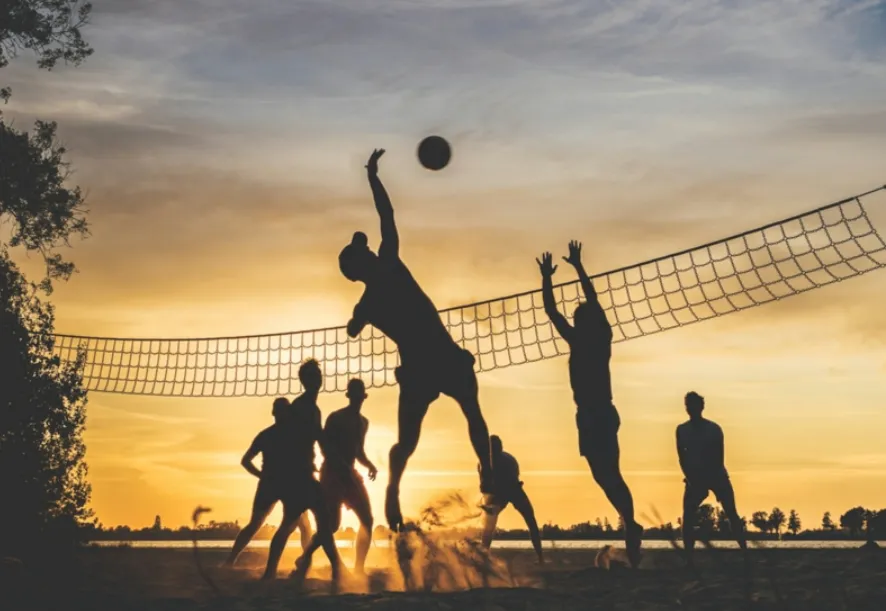
Sports photography requires more than having a good camera. Understanding how to take sports photos means knowing how to make this camera work for the game. Sports do not wait and give no second chance. Moments happen in a fraction of a second; your camera should be ready to catch them. This genre requires fast shutter speeds, accurate autofocus, and settings that keep up with the action. Photographers should adapt their settings to the pace of play. The right setup can mean the difference between a missed opportunity and a shot worth sharing.
Professional studios like Aww Media, known for their expertise in high-speed event and sports coverage, emphasize mastering lighting, angles, and timing to tell powerful visual stories through every frame. Their approach shows how technical precision and creative instinct combine to capture the intensity and emotion of live sports.
Shutter Speed
Unlike casual photography, capturing athletes in motion demands split-second precision. Your shutter speed should match the speed of your subject to prevent motion blur. Start with a baseline of 1/1000s. It is a perfect shutter speed for sports, especially outdoor ones. For faster subjects like motorsports or tennis serves, push to 1/2000s or higher. Shutter priority mode or full manual mode will give you better control over the shooting process.
Autofocus and Tracking
Fast and accurate autofocus is critical for sports action photography. A player charging across the field or a cyclist speeding toward the finish line doesn’t give you time to refocus manually. Your camera should track the subject confidently and stay locked in.
Utilize Continuous Autofocus (AF-C or AI Servo) for dynamic movements. This setting allows your camera to adjust focus as your subject moves. Pair it with a wide focus area or dynamic AF zone. It will allow your camera to anticipate direction changes. Many mirrorless cameras now offer subject-tracking modes powered by machine learning. It is especially convenient for capturing basketball or martial arts.
Autofocus settings can behave differently across brands. You need to customize them to the type of action shots you want to cover. Tracking sensitivity may need to be faster for volleyball than for swimming. And don’t overlook back-button focus. It separates focus from the shutter, giving you more control in fast-paced environments.
Focus issues are easier to prevent than to fix. Most post-processing tools have Clarity and Unblur tools to define subjects more clearly. Comparing popular software options like Snapseed vs Lightroom shows that different programs have different approaches to focusing. Not all editors include tools for it. Even when this feature is available, this task is one of the most complex and time-consuming in post-processing.
Aperture and ISO
When fine-tuning your sports photography settings, aperture and ISO are fundamental. You will need a lot of light to maintain fast exposures without underexposing your image. If the illumination is inconsistent, open your aperture wider and increase the ISO to handle higher shutter speeds better.
Apertures like f/2.8 or f/4 also create a shallow depth of field. It helps isolate the athlete from a distracting background. For example, in track and field, using a wide aperture draws attention to the runner while softening the crowd behind. Be cautious because excessive shallowness may lead to losing focus.
ISO helps compensate in low-light environments. Indoor courts or evening matches often require bumping ISO to 1600 or higher. Avoid extremes unless they are absolutely necessary. One of the most important sports photography tips is to test your camera’s noise tolerance levels before the event you are planning to capture. Don’t forget to edit sports pictures later to eliminate unwanted grain and other artifacts that are common for low-light shooting environments.
Custom Modes and Manual Settings
Getting past auto controls will allow you to get the best shots possible with your gear! The majority of good, modern cameras will let you save custom settings (usually C1 and C2 and so forth). These presets will serve you well if you frequently go between setups for different sports or locations.
For example, you could save one preset at high ISO and wide aperture for indoor volleyball and another at low ISO and faster shutter speed for outdoor soccer. There is no trying to swipe through menus in severely shifting conditions.
Shooting in full manual mode might sound intimidating at first. Once you master it, you will understand that it works best for capturing moving subjects. It prevents your camera from making unexpected exposure decisions. Manual exposure ensures consistency across a series of fast-paced images.
Conclusion
The speed and emotion of sports require you to know how to use your camera under these conditions. Each setting you select affects whether you capture that moment or lose it in time. Each game, or match, or race brings new lighting, new angles, new movement. Get to know your settings and be confident in changing them to make sure all your shots are good. With the proper setup, a little bit of experimentation, and a sharp focus on your subject, you will be turning fast-moving moments into unforgettable stills, one frame at a time.