

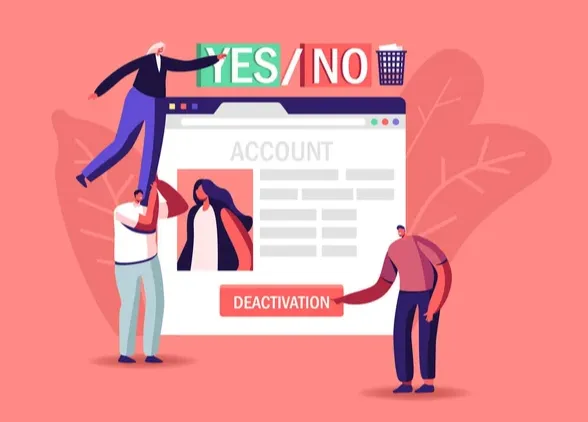
Explore the reasons behind unfair account deactivations & uncover viable solutions! Bring fairness back to online platforms!
Account deactivation is a common issue that affects many users across digital platforms. Whether caused by inactivity, policy violations, or user-requested changes, account deactivation can lead to loss of access and potentially valuable personal or professional data.
Discussing the implications of unfair account deactivation is essential. Addressing unfair deactivation helps reveal platform biases, promote fairness, and ensure accountability. It also protects users’ rights while fostering a more transparent and just digital ecosystem.
What is Account Deactivation?
Account deactivation refers to temporarily or permanently disabling access to a user’s account. Platforms may deactivate accounts for various reasons, ranging from policy violations and suspicious activity to prolonged inactivity or user-requested closure.
Common Reasons for Account Deactivation
Accounts can be deactivated for multiple reasons, including violations of terms of service, unpaid subscriptions, suspicious login attempts, identity verification failures, or long periods of inactivity. Understanding the specific cause of a deactivation can help users address the issue effectively.
The Consequences of Unfair Account Deactivation
Unfair account deactivation can have significant emotional, professional, and legal consequences.
Emotional Impact and Loss of Access
Being locked out of an account often leads to stress and anxiety. Users may lose access to essential information, including personal documents, professional contacts, or financial records. This disruption can create uncertainty and hinder decision-making.
Damage to Personal or Professional Reputation
Unjust account deactivation can harm a user’s credibility. For professionals, losing access to a social media or work-related account may lead to missed opportunities, diminished trust, or strained relationships. Even personal accounts can affect communication, networking, and online presence.
Legal Consequences
In certain cases, account deactivation can result in legal complications. For example, businesses or professionals may face contractual disputes or compliance issues if key accounts are unexpectedly disabled. Understanding potential legal risks is crucial for both individuals and organisations.
Reasons Behind Unfair Account Deactivation
Examining why accounts are unfairly deactivated helps users anticipate and prevent issues. Sometimes automated systems misinterpret activity as suspicious, or policy enforcement may be inconsistent. Miscommunication, human error, or algorithmic biases often play a role in these situations.
Solutions to Unfair Account Deactivations
Addressing unfair account deactivation requires a multi-faceted approach.
Clear and Transparent Policies
Platforms should maintain well-defined policies outlining acceptable behaviour and deactivation procedures. Transparent guidelines build trust, ensure fairness, and reduce misunderstandings among users.
Effective Communication Channels
Providing multiple avenues for users to communicate with support teams enhances transparency and efficiency. Email, live chat, and in-app support help users report issues, clarify misunderstandings, and resolve deactivation concerns quickly.
Efficient Account Recovery Actions
Streamlined account recovery methods, including multi-factor authentication, identity verification, and clear instructions, allow users to regain access promptly. Efficient recovery enhances user satisfaction and minimises frustration.
Monitoring Auto-Deactivation Systems
Automated deactivation tools should be rigorously monitored to prevent errors. Regular evaluations, updates, and oversight reduce the risk of unjust suspensions caused by algorithmic misjudgments or technical glitches.
Steps to Take if Your Account is Unfairly Deactivated
Contact Customer Support
The first step in resolving an unfair account deactivation is contacting the platform’s support team. Users should provide relevant documentation, account details, and explanations to facilitate resolution.
Explore Legal Options
If informal support channels fail, users may consider legal routes. This can include dispute resolution, regulatory complaints, or formal legal action to protect their rights.
Leverage Publicity and Media Attention
In some cases, public awareness can prompt faster resolution. Sharing experiences responsibly via media or online forums can encourage platforms to review their deactivation policies and practices.
Preventive Measures for Account Deactivation
Understand Terms of Service Agreements
Carefully reviewing terms of service agreements helps users understand rules, responsibilities, and potential limitations. Awareness of these policies reduces the likelihood of unintentional violations.
Regularly Update Personal Information
Keeping contact and personal information current ensures timely notifications and prevents account issues related to outdated details.
Implement Security Measures
Strong passwords, multi-factor authentication, and proactive security measures reduce risks of account compromise and subsequent deactivation due to suspicious activity.
Conclusion
Unfair account deactivation is a complex issue that affects personal, professional, and legal aspects of users’ lives. By understanding the causes, consequences, and preventive measures, users can better protect their accounts and respond effectively to unjust deactivations. Transparent policies, robust recovery procedures, and effective communication channels are essential for fostering trust and accountability between platforms and users. Staying informed, proactive, and prepared ensures that account issues are managed efficiently while safeguarding valuable data and digital presence.