

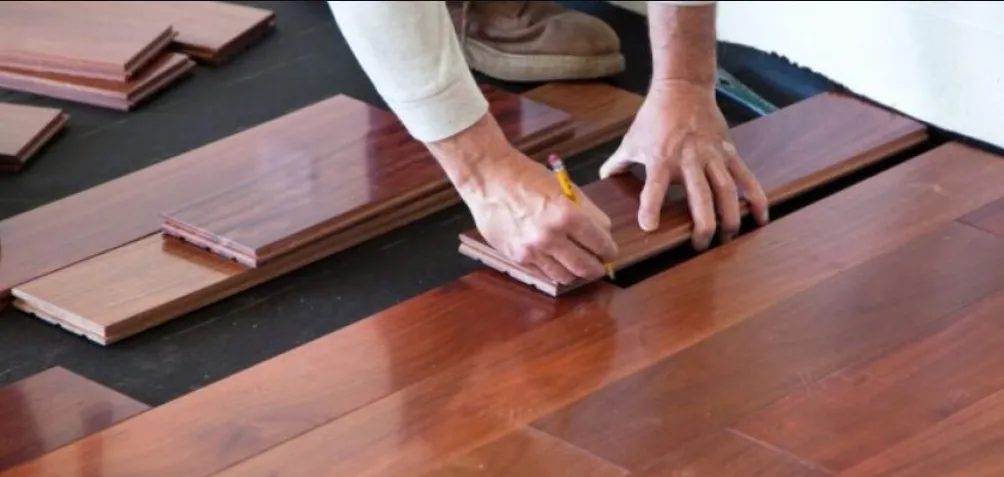
When wooden floors begin to look worn, faded, or uneven, homeowners face an important question: restore or replace?
Both options have benefits, but the right choice depends on the age of the timber, the type of damage, and the long-term goals for the space.
Restoration is often overlooked because many assume replacement delivers the most dramatic results. In reality, restoring original wood can be just as transformative—and in many cases, far more valuable.
The Benefits of Restoring Existing Wooden Floors
Restoration involves sanding, repairing, gap filling, and refinishing the timber already in place. When the floorboards are made of solid hardwood or high-quality softwood, restoration unlocks beauty that replacement cannot replicate.
Original floorboards—especially those found in older homes—were often cut from mature trees with dense grain patterns. These boards are incredibly durable and capable of being sanded several times across their lifetime.
By restoring them, you preserve their character and history while giving the floor a fresh, modern appearance.
Restoration is also significantly more sustainable. Instead of removing large quantities of timber, the existing material is revitalised and reused. Many homeowners choose services such as Pine wood floor restoration to bring back the authentic appearance of traditional softwood floors without installing new boards.
When Installation Might Be the Better Option
If the current floor has severe structural damage—such as rot, major warping, or missing boards—installation may be necessary. Some engineered floors also have a very thin top layer, which limits how many times they can be sanded.
Installation allows complete design freedom. Homeowners can choose new patterns, wider boards, or different materials altogether. This is appealing during large renovations, especially when layouts change or when additional rooms are being updated at the same time.
However, installation comes with additional steps: removing the old floor, preparing the subfloor, and sourcing new materials. This can be more costly and disruptive compared to restoration.
Comparing Costs: Restoration vs Installation
Restoration is almost always more affordable than new installation.
Sanding and refinishing require skilled labour, but they avoid the higher costs associated with purchasing and laying new timber.
Installation costs vary depending on the wood type, design, and preparation requirements. Because these elements add up quickly, many homeowners choose restoration first unless the floors are beyond repair.
The Hidden Costs of Installation: Disruption and Time
While installation may seem like a straightforward solution, it often comes with hidden costs that homeowners may not initially consider. First, the process typically involves removing the old floor, which can be messy and time-consuming. Subfloor preparation is another step that can add unexpected costs, especially if structural issues are uncovered during the process. Moreover, the installation process itself can take days, depending on the size of the project, leaving the home in a state of disruption. In contrast, floor restoration can often be completed more quickly and with far less mess, as professionals work directly with the existing structure and minimize the need for removal and replacement. Homeowners may find that restoration offers the added benefit of less downtime and faster results.
The Environmental Impact of Restoration vs. Installation
One of the most significant advantages of choosing floor restoration over installation is the environmental impact. By opting to restore rather than replace, homeowners can reduce waste and avoid the carbon footprint associated with manufacturing, transporting, and installing new materials. Timber, especially if sourced sustainably, is a renewable resource, but the process of producing new floorboards—particularly mass-produced engineered wood—can be resource-intensive. Restoring existing wood keeps valuable materials in use, helping to reduce landfill waste and supporting sustainability. Additionally, less energy is consumed when timber is preserved and revitalized rather than discarded for new materials, making restoration a more eco-friendly choice.
Aesthetic Results: Can Restoration Match Installation?
A restored floor can look as striking as a brand new one—sometimes even better. Older boards often have richer patterns and deeper grain lines that modern manufactured boards cannot replicate.
Once sanded and refinished, restored floors often surprise homeowners with how fresh and clean they appear. Applying a new stain or finish can also completely change the style of a room, giving the feel of a new installation without the associated cost.
Installation provides more flexibility in colour choices and patterns, but restoration delivers authenticity that new flooring rarely achieves.
Longevity and Durability Considerations
Professionally restored floors typically last many years before needing maintenance. The durability depends on the chosen finish and daily habits, but the underlying timber remains strong.
New floors can last just as long, but longevity depends heavily on the wood quality. Not all modern boards—especially budget options—match the durability of older planks.
This is why older pine, oak, or hardwood floors are often worth saving. Their stability and density outperform many modern alternatives.
How to Decide Which Option Is Right for You
Before choosing between restoration and installation, consider:
- the age, species, and quality of the existing wood
- structural stability and subfloor condition
- desired aesthetic changes
- long-term maintenance preferences
- overall budget and project timeline
Restoration is ideal when the existing timber is strong and the goal is to improve appearance without major construction work. Installation makes sense when damage is extensive or when a completely new design concept is needed.
Restoration Often Wins—In Cost, Character, and Sustainability
When faced with the choice between restoring or replacing wooden floors, the decision ultimately comes down to the condition of the existing wood and the homeowner’s long-term goals. Restoration often offers a more cost-effective, sustainable, and aesthetically satisfying option, especially when the original wood is of high quality and can be revived. Not only does restoring wood floors preserve the unique character and history of the home, but it also reduces environmental impact by reusing valuable materials rather than adding to landfill waste.
While installation offers design flexibility and may be necessary for severely damaged floors, restoration can often achieve equally impressive results with less disruption and a quicker turnaround time. Homeowners who choose restoration can enjoy the long-term durability of quality timber, the preservation of authentic beauty, and the satisfaction of making an environmentally conscious choice. With professional restoration, even the most worn floors can regain their charm, providing a lasting, natural elegance to any space.