


A good number of listeners desire easily audible sound without the claustrophobic pressure of silicone tips. When you go looking to buy the best wireless earbuds you will realize that the new ones offer open-fit and bone conduction styles in which the ear canal is left unobtruded. This manual describes such options, how to choose them, and the most suitable designs for commuting, exercising, and all day comfort.
Why silicone tips bother some people
Silicone tips form a closed cavity that may be intrusive to people with sensitive ears or hearing discomfort. Sealed tips increase perceived bass and isolation, yet they may also result in pressure, itchiness, or a plugged feeling in the ear after only a short period. For anyone who values situational awareness while listening, sealed tips are often unacceptable.
Alternative designs that avoid silicone tips
Open-fit earbuds rest in or just outside the ear canal and provide a more natural soundstage and better awareness of the environment. Earhook and wraparound designs secure the driver without inserting anything deeply into the ear. Bone conduction headphones transmit sound to the inner ear through the cheekbone and keep the ear canal completely open.
Each approach balances comfort, sound quality, and safety differently. Modern open and open-fit models aim to preserve a natural listening experience while improving fit and battery life.
Open-fit and open-ear practical pros and cons
Open-fit models provide better situational awareness and usually cause less ear fatigue. They trade off bass intensity and passive noise isolation compared with sealed buds. Bone conduction models are ideal for runners and cyclists who must hear traffic, though they rarely match sealed in-ear bass or stereo depth. Earhook designs often strike the best compromise by securing the driver near the ear without pressure inside the canal.
These formats are maturing quickly and can deliver genuinely useful audio quality for everyday listeners.
How to choose when you dislike silicone tips
Decide which matters most: situational awareness, sound richness, or workout stability. For city commuting and office use, open-fit or open-ear earbuds are excellent because they maintain environmental awareness. For outdoor exercise where safety is critical, choose bone conduction or sport-focused open-ear models that emphasize secure fit and weather resistance.
Consider driver type, battery life, IP rating for sweat resistance, call quality, and whether a companion app EQ is available for tuning. Try models with flexible return policies because fit is highly personal and one size does not fit all.
Experience based practical buying checklist
I have tried dozens of earphone models over the past ten years and I follow a simple routine. Prioritize comfort and fit over headline specs. If a product claims premium bass but causes pain after 20 minutes, it is not the right buy.
Check user reviews for real-world fit reports rather than relying on marketing images. Prefer models that receive firmware updates and offer a companion app because software tweaks can yield large day-to-day improvements. Choose a design category and give it time to adapt; open-fit often requires an adjustment period before you appreciate its natural sound.
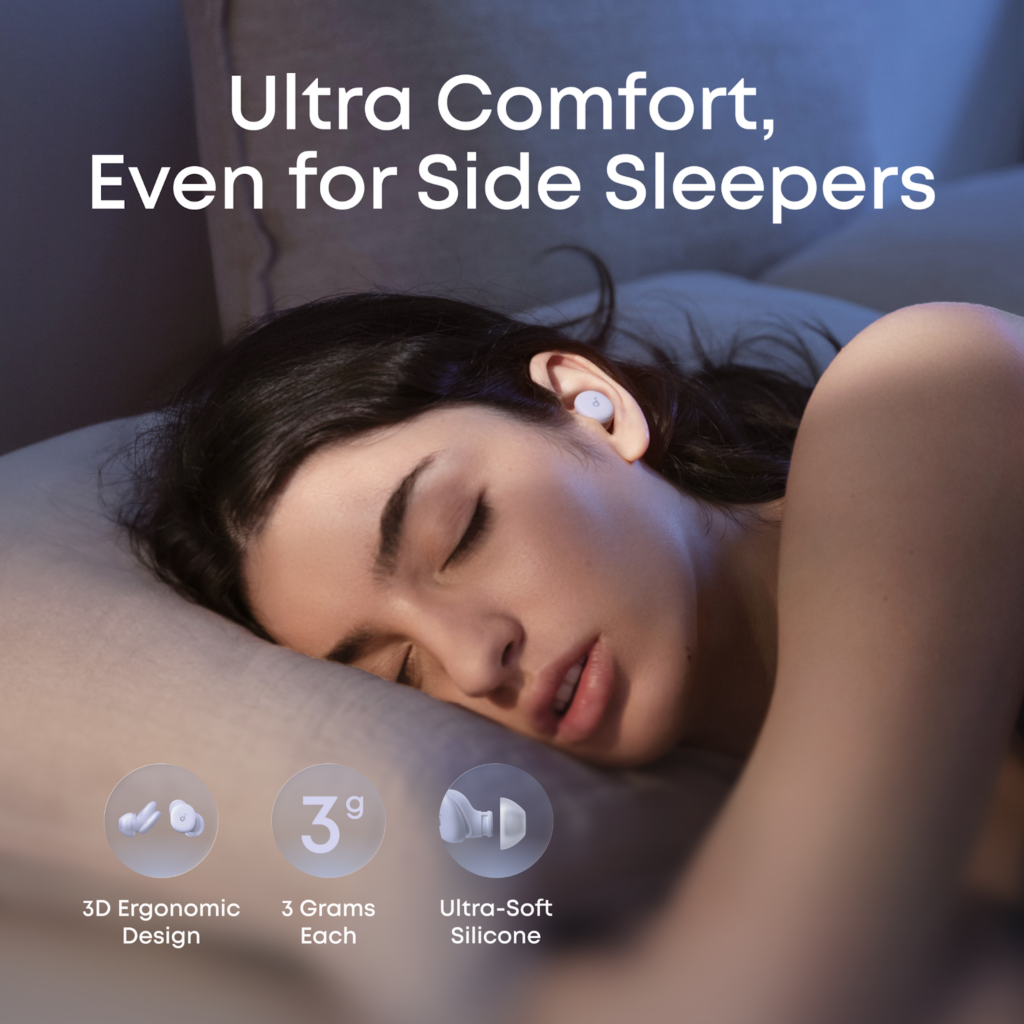
Quick comparison observation
Open-fit earbuds are best for listeners who want a natural sound and to stay aware of their surroundings. Earhook and wrap designs win for workouts because they combine stability with reduced ear pressure. Bone conduction is the top safety choice for outdoor activity when hearing ambient noise is essential.
Mainstream audio outlets and hands-on reviews consistently highlight these trade offs when comparing open and sealed designs.
Conclusion
If silicone tips make listening painful, there are excellent alternatives that offer comfort without sacrificing sound. Open-ear, earhook, and bone conduction styles match different daily habits. When buying, prioritize fit, battery life, and return policies. Long term satisfaction comes from comfort more than the spec sheet.
FAQs
What is the main sound difference between open-fit and sealed earbuds?
Open-fit designs let ambient sound in, so bass and isolation feel reduced compared with sealed buds. The result is a more natural atmosphere and less passive isolation.
Can bone conduction replace traditional earbuds for music quality?
Bone conduction favors awareness and safety, but it usually cannot match the bass depth or stereo imaging of sealed in-ear drivers. For social commutes and safety driven activities it is excellent. For audiophile listening, sealed or well tuned open-fit options are better.
Will open-fit earbuds fall out during exercise?
Some open-fit models are engineered with earhooks or stabilizers. Choose a design with a secure fit system and verify sweat resistance ratings for workouts.
How can I test fit before committing?
Look for retailers with flexible return policies and read user reports focused on fit. If possible, try models in store for a short period to check comfort during movement.
Do open options make good phone calls?
Many modern open-fit and earhook models include dedicated microphones and noise reduction for calls. Call clarity varies by model and environmental noise, so test call performance if you rely on calls heavily.