

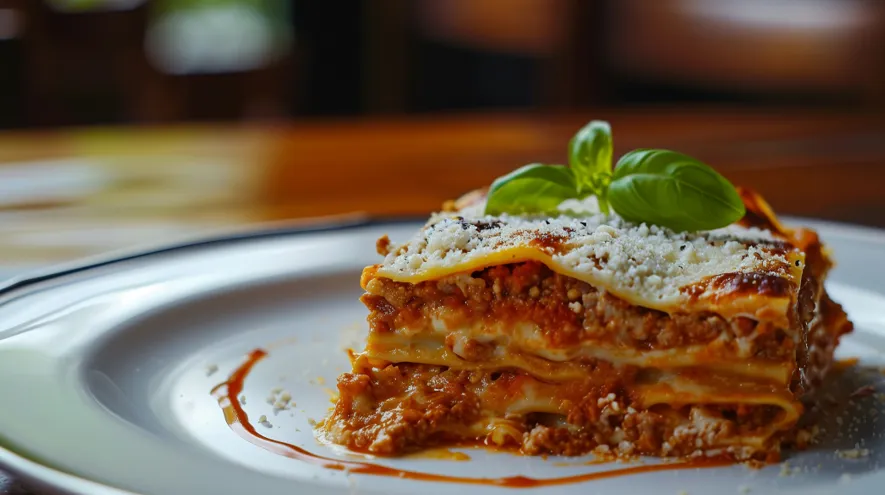
Most travelers talk about Italian cuisine as if it were a single thing. It isn’t. Ask any Italian, and you’ll get the same reaction: a raised eyebrow and a correction. Italy doesn’t have one cuisine. It has dozens of fiercely regional food cultures, shaped by geography, history, and a deep-rooted belief that this valley, this town, and this nonna do it best.
That’s exactly why the best food regions in Italy are often the ones tourists skip.
The difference between regions isn’t cosmetic. Food in northern Alpine valleys shares more DNA with Austria or France than with southern coastal cooking. In the south, wheat replaces butter, olive oil replaces cream, and spice levels quietly creep up. This isn’t variation. It’s regional Italian cuisine operating as parallel worlds.
Years spent eating far from postcard cities, guided by farmers, winemakers, and locals who don’t speak English and don’t care whether visitors approve of their food, reveal a simple truth. Anyone looking for the real Italy needs to eat where tourism hasn’t edited the menu yet.
Let’s go there.
The Hidden Regions Where Italian Food Still Feels Untouched
Friuli-Venezia Giulia
Tucked into Italy’s northeast, Friuli is where Slavic, Austrian, and Italian traditions collided and somehow worked. Dishes like frico, a crispy cheese and potato pancake, or jota, a bean and sauerkraut soup, don’t resemble anything you’ll find in Rome. This is local Italian food built for cold winters, border cultures, and people who value substance over flair.
Basilicata
Basilicata doesn’t court visitors, and that’s its strength. In towns near Matera, handmade strascinati pasta comes with slow-cooked pork ragù that’s rich, peppery, and unapologetically rustic. No plating tricks. Just food that makes sense for farmers and shepherds.
Molise
Molise is small, quiet, and famously overlooked, even by Italians. That’s why dishes like pampanella, spicy roasted pork, and aged caciocavallo cheese still taste bold and undiluted. Fewer visitors means fewer compromises.
Valle d’Aosta
Italy’s smallest region feels more Alpine than Mediterranean. Expect Fontina cheese, hearty stews like carbonada, and comfort food designed for altitude and cold. Ski tourists pass through. Food traditions stay rooted.
Marche
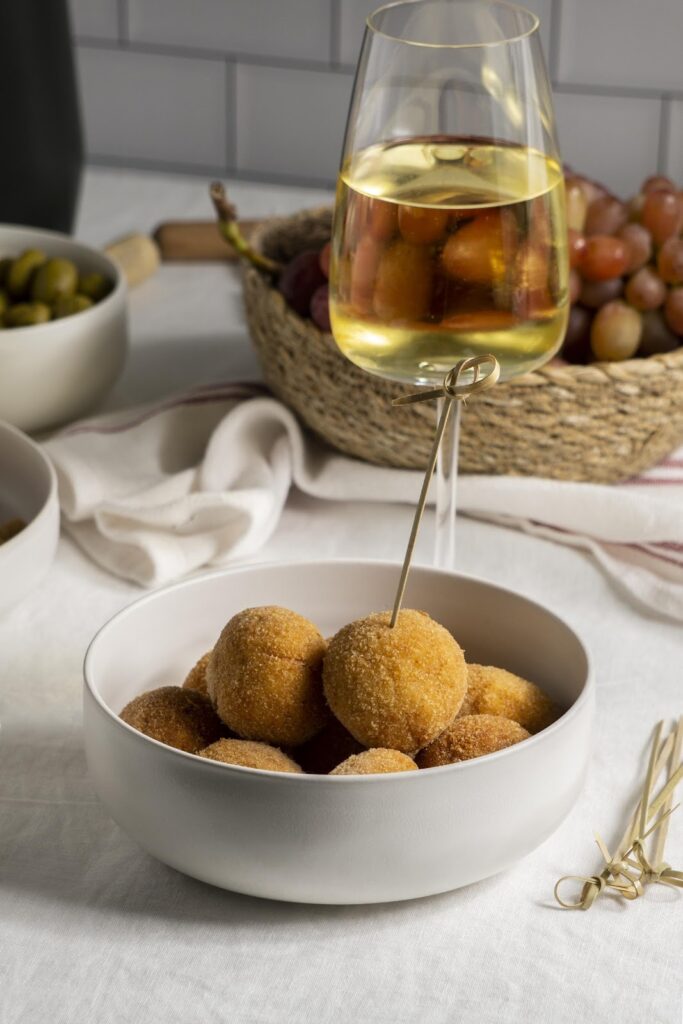
Between mountains and sea, Marche quietly delivers one of Italy’s most balanced food cultures. Olive ascolane and vincisgrassi, a layered pasta dish richer than lasagna, are everyday food here, not culinary exports.
What unites these regions isn’t obscurity. It’s confidence. They cook as they always have, because there’s no reason not to.
Why These Regions Still Taste Different
Italy’s geography explains half the story. Alpine pastures, volcanic soil, long coastlines, isolated valleys. Each creates its own pantry. Ingredients grow where they make sense. Recipes follow.
The other half is history. Italy became a unified country in 1861. Before that, regions evolved independently for centuries, developing food traditions without outside influence. No national Italian cuisine ever standardized things.
That independence still shows up today in protected products and stubborn pride. Many ingredients are legally safeguarded, not for branding, but for survival. Bread, cheese, cured meats, and oils are tied to place, climate, and technique. Change them, and the dish collapses.
This is also where movements like Slow Food emerged, pushing back against convenience and global sameness. The result is food that resists scaling and tastes better for it.
What to take away: regional difference isn’t a quirk of Italy. It’s the foundation.
How to Eat Like a Local, Not a Tourist
Choose agriturismi carefully. Real ones are working farms, not lifestyle hotels. If most ingredients come from the property, you’re on the right track. A dated website and no Instagram strategy are often a good sign.
Markets are useful, with limits. Early morning visits reveal what locals actually buy. Prices rise fast once vendors hear English. Observe first. Buy later.
Follow food festivals, not landmarks. Seasonal sagre celebrate single ingredients like truffles, lemons, or chestnuts, and locals care deeply about getting them right. Meals here cost less and say more than museum visits.
Avoid the buttadentro. Anyone waving menus in five languages is selling safety, not quality. Walk five minutes away from crowds and listen for Italian being spoken loudly.
The best meals rarely have Google reviews. They’re recommended by people who don’t profit from the suggestion.
Rethinking Traditional Italian Dishes
Here’s a useful mindset shift: there is no single traditional Italian dishes, only thousands of local ones. Carbonara, ragù, pesto. Each exists in multiple versions, all correct where they’re from and wrong everywhere else.
Once you accept that, food in Italy stops being about finding the best dish and starts being about understanding why it tastes the way it does there.
That’s when eating becomes travel.
Final Thought: Skip the Obvious, Eat the Real Italy
Rome, Florence, and Venice will always be there. What disappears first are the small kitchens, the farms, and the regional recipes that don’t scale well or photograph perfectly.
The meals you’ll remember most won’t be famous. They’ll be simple, local, and eaten somewhere you can’t pronounce. And that’s exactly the point.
https://www.nextleveloftravel.com/italy
https://www.eataly.com/us_en/magazine/culture-and-tradition/italian-biodiversity