

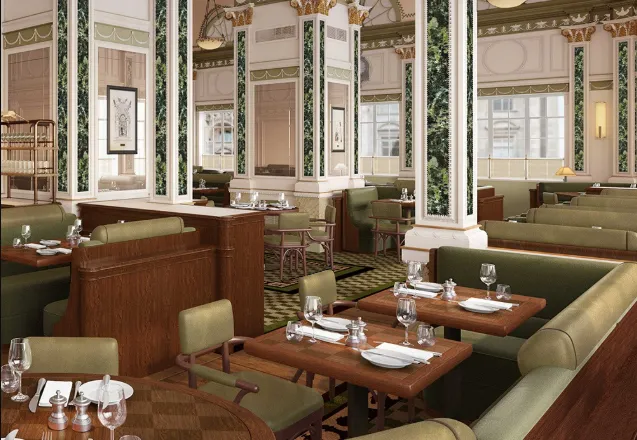
Restaurant booths are having a moment again, but not in the loud, trend-chasing way that usually fills design magazines. They are returning quietly, one new location at a time, placed along walls, wrapped around corners, and built into dining rooms that want to feel warmer, calmer, and more memorable from the first visit.
For years, many restaurants leaned toward open layouts filled with loose tables and lightweight chairs. The logic made sense. Flexible seating seemed easier to rearrange, move, and replace. A room full of individual tables gave operators the feeling that they could adapt quickly during service.
Then, the guests changed.
People still want good food, of course, but they also want a place that feels worth leaving the house for. In a restaurant industry projected to reach about $1.55 trillion in U.S. sales in 2026, competition is not only about menu creativity anymore. It is about comfort, atmosphere, perceived value, and whether the room makes guests feel like they chose the right place.
That shift is also changing how operators search for restaurant booths for sale, because the booth is no longer treated as a simple seating product. It is becoming part of the brand experience, the floor plan, the guest’s sense of privacy, and the visual identity, making a new location feel finished from day one.
That is where the restaurant booth is making its comeback.
Why Guests Are Choosing Comfort Again
A booth accomplishes something that a conventional chair rarely does. It creates a small universe for the guest.
When you enter a booth, the atmosphere immediately becomes more relaxed. There is a backrest behind you, a distinct perimeter surrounding the table, and a sense of isolation from the rest of the dining area. You may communicate without feeling exposed. You can lean back. You can place a bag next to you. You can stay for longer without feeling rushed out of the room.
That emotion is more important now that eaters are more discriminating. Many guests are managing their money, choosing restaurants with care, and expecting the outing to be more of an experience than a transaction. If a meal costs more than it used to, the facility must do more than just accommodate tables.
Booths make casual settings feel more inviting. They make family eateries feel more manageable. They make upscale-casual settings feel professional without becoming stuffy. Even quick-service and fast-casual restaurants are realizing that a comfortable seat increases the likelihood that a customer will return, linger, bring friends, or post about the experience.
A booth says, “You can settle in here.”
The Layout Advantage Operators Are Starting to Notice
Restaurant owners do not bring back booths solely because guests like them. They bring them back because booths solve practical layout problems.
A row of booths along a wall can make better use of space than a scattered row of tables and chairs. Booths reduce the need for chair clearance on one side. They help keep walkways cleaner. They create predictable traffic patterns for servers. In narrow spaces, corner layouts, and long dining rooms, booth seating can turn awkward footage into revenue-generating seats.
There is also a visual benefit. A wall of booths immediately gives the new location structure. Instead of a room feeling like tables were dropped into an empty box, booths help define the space.
Owners opening new locations often care about three things at once:
- How many guests can the room seat comfortably?
- How fast can staff move through the space?
- How memorable does the dining room feel when someone walks in?
Booth touches all three questions.
They can increase seating efficiency when planned correctly. They can reduce chair clutter in busy aisles. They can make the restaurant feel more designed, even before artwork, lighting, plants, or décor are added.
The Photo Factor No One Can Ignore
Restaurants now open in two places at once: the physical dining room and the digital feed.
Before a guest books a table, walks in, or orders a drink, they may already have seen the restaurant through tagged photos, reels, short videos, review images, and local food posts. In that world, the furniture is not the background. It becomes part of the brand image.
Booths photograph well because they frame people, plates, drinks, and tabletops with more intention. A booth creates a clear visual setting. The upholstery, stitching, shape, color, and height all help define the restaurant’s mood.
A plain table against a blank wall can look unfinished. A well-designed booth against that same wall can look like a destination.
This is especially important for new locations trying to build awareness fast. Guests may not remember the exact chair model or fabric grade, but they remember how the space felt in photos. Was it cozy? Was it stylish? Did it look like a place where people would want to meet after work, celebrate a birthday, or stay for dessert?
Booths help answer yes.
Why Booths Fit the New Opening Playbook
There are more disciplined openings of new restaurants than in the past. Operators are facing high build-out costs, labor pressure, rent, equipment prices, food costs, and stricter profitability expectations. You can’t just create a dining room for opening night. It has to work across hundreds of services.
This has transformed how owners think about seats.
A booth isn’t merely a décor choice chosen late in the project anymore. That is in the functioning strategy. The right booth influences table turns, guest comfort, cleaning routines, staff movement, acoustic softness, and brand identity.
That’s why more operators are looking at booths earlier in the design phase. Where fixed seating fits, how it promotes flow, which areas need solitude, which zones should feel active, and which corners can become premium guest experiences are the questions they are asking.
Booths also help with uniformity for brands with multiple locations. You may transport identifiable booth styles from place to place, allowing customers to sense the brand before they ever see the menu.
Materials Matter More Than the Shape
The booth comeback does not mean every booth is a good investment. A poorly built booth can quickly become a maintenance headache. Weak frames, thin padding, low-grade vinyl, poor stitching, and bad seat depth can make a new dining room feel tired faster than expected.
The design may attract guests, but the construction keeps the restaurant from replacing furniture too soon.
Operators should look closely at:
- Commercial-grade upholstery that can handle heavy daily use
- Seat foam that keeps its shape after repeated service
- Frame strength that supports constant sliding, leaning, and shifting
- Cleanable surfaces that work with real restaurant spills
- Proper booth dimensions for comfort, table spacing, and server access
A booth is touched, leaned on, wiped, bumped, and used all day. That makes durability just as important as appearance.
In new locations, this matters even more because the first year sets the tone. Furniture that fails early can damage guest perception and strain the opening budget. A booth that holds up well keeps the space looking newer for longer.
The Seats Guests Remember After They Leave
The restaurant booth comeback is not loud, but it is reshaping how new locations open across the country. Owners are realizing that the dining room has to work harder, feel better, photograph stronger, and support smoother service from the beginning.
A booth helps with all of that when it is well planned.
It gives guests a place to settle in. It gives operators a smarter way to organize space. It gives the room structure, warmth, and a stronger sense of identity. Most importantly, it creates the kind of comfort people remember after the check is paid.
In a market where guests have endless choices, that memory matters.
A great booth does not beg for attention. It simply makes the meal feel better. And sometimes, that is exactly the detail that brings people back.