

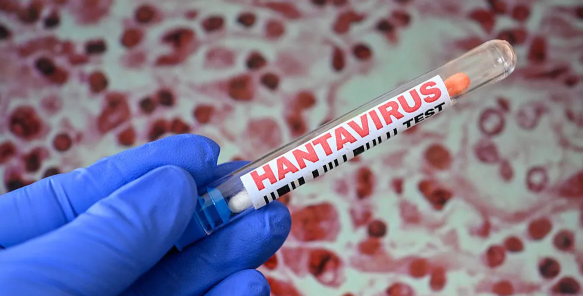
The necessity of modern laboratory diagnostic processes for the timely detection of hantavirus continues to be paramount due to the nature of this zoonotic viral agent. As stated above, the hantavirus causes pulmonary syndrome (hps) and Hemorrhagic fever with renal syndrome (hfrs). While both forms of the disease result in serious complications in patients whose hantavirus was undiagnosed until it had progressed to an advanced stage, the laboratory confirmation of hantavirus is essential for clinical decision-making, outbreak investigation, and epidemiologic studies.
Therefore, health authorities, including the Centers for Disease Control and Prevention (CDC), the World Health Organization (who), and others continue to stress the importance of identifying cases early and establishing surveillance systems in regions where hantavirus occurs.
What tests are used to determine if someone has a hantavirus?
During the initial phases of hantavirus illness, individuals typically present symptoms similar to those experienced in other viral illnesses. Initial symptoms of hantavirus may include; fever, headache, myalgias (muscle pains), gastrointestinal symptoms, etc. Due to overlapping symptomologies with influenza, leptospirosis, and numerous respiratory viruses, laboratory verification is necessary for physicians to make a definitive diagnosis.
two major methodologies are employed to diagnose hantavirus today.
1. serology: serology tests measure antibodies created by the body’s immune system upon exposure to the hantavirus. Since igm antibody production is indicative of acute/very recent hantavirus infection and IgG indicates past exposure, serology testing is utilized extensively in clinical laboratories throughout Europe.
2. molecular diagnostics (RT-PCR): molecular diagnostic techniques (reverse transcription-polymerase chain reaction, RT-PCR) allow for direct identification of viral RNA within patient specimens. These molecular methods can significantly enhance detection capability at the onset of infection prior to elevated levels of circulating antibodies.
Additionally, laboratories engaged in the study of Infectious Diseases follow rigorous validation protocols and utilize quality assurance programs and biosafety practices to minimize contamination potential and assure validity of their results.
Increasingly important role of specialty test reagent providers
The growth of global infectious disease surveillance has led to an increasing need for specialty test reagents and validated testing materials. Therefore, hospitals, universities, and medical laboratories frequently seek assistance from providers who offer assay kits, control samples, and analysis equipment for detecting pathogens.
When seeking a reliable hanta test for sale to purchase for future use in testing for hantavirus, laboratories evaluate multiple criteria prior to ordering. Key criteria include: validation information, regulatory compliance, sensitivity values, and storage requirements. Additionally, researchers consider if products offered meet international laboratory standards such as ISO 15189 or guidelines provided by the CDC for conducting diagnostics of Infectious Diseases.
Reliability of supply chains is becoming increasingly important. For example, during periods of heightened public health demand, medical laboratories need consistent availability of reagents and testing components to maintain uninterrupted surveillance or patient care operations.
Why is timely diagnosis so important in public health?
There are many reasons why timely diagnosis is so important in public health. one reason is that diagnosis provides more than just treatment options for the patient. Data obtained through diagnosis enable public health agencies to track outbreaks, understand the geographical movement of outbreaks, and assess environmental exposure risks related to rodent populations.
According to The National Institute of Allergy and Infectious Diseases (niaid), environmental exposure represents one of the major risk factors for hantavirus transmission. Exposure risk increases with proximity to rodents in rural structures (e.g., barns), agricultural structures (e.g., grain silos), and enclosed spaces containing rodent feces/droppings.
Public health officials have a greater ability to contain outbreaks quickly using laboratory confirmed data. Containment efforts may involve providing environmental sanitation advice, tracking rodent populations, and educating the public regarding ways to decrease their exposure risk.
Additionally, public health surveillance utilizes diagnostic data to facilitate research. Epidemiologists analyze testing data to learn about strain evolution among viruses, geographic distribution patterns over time, and relationships between climatic conditions and rodent activity patterns.
Improvements in diagnostic technologies
Recent advancements in biotechnology are continuing to shorten turn-around times for diagnosing hantavirus using faster and more sensitive detection methods. Examples include automated pcr machines, multiplex assays and highly sensitive immunoassays.
Researchers are also actively working on developing portable diagnostic technologies suitable for use in remote locations. Such devices would potentially provide enhanced access to testing capabilities in areas lacking sufficient centralized laboratory infrastructure.
Another advancement includes Digital reporting systems. Increasing numbers of healthcare systems are integrating laboratory test findings into disease surveillance databases which enables public health officials to react quicker to atypical infection trends.
With each advancement in diagnostic technology, laboratory testing will continue to play a vital role in preparing for infectious disease occurrences. The reliable detection methods employed by clinical laboratories provide support for clinicians, facilitate epidemiological research, and allow public health organizations to better monitor new threats.