

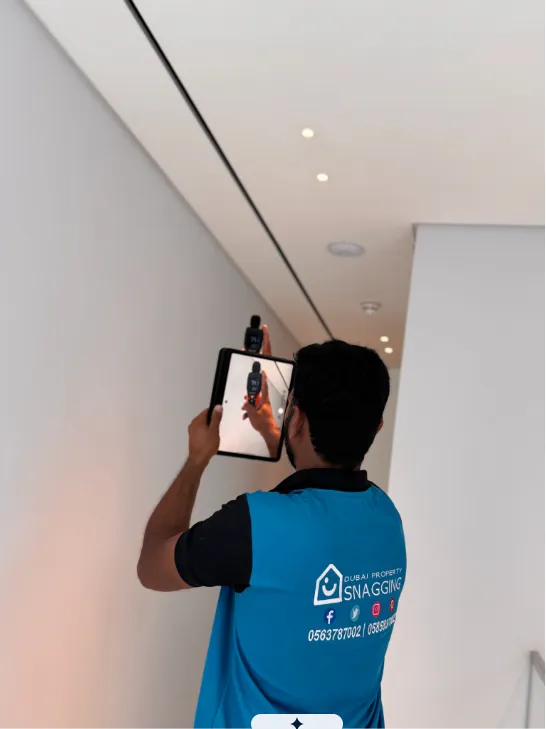
Real estate can be a valuable long-term investment, but buying a property involves more than choosing a good location and attractive design. Construction quality, maintenance requirements, and hidden defects can all influence a property’s condition and future costs. This is why property snagging Dubai services have become an important consideration for homebuyers, landlords, and real estate investors who want to make informed decisions before accepting a property.
A property may look perfect during a viewing, yet problems such as loose tiles, poorly sealed windows, plumbing leaks, or unfinished installations may remain unnoticed. A professional inspection helps identify visible defects, document concerns, and establish a clearer picture of the property’s condition.
For investors, the objective is straightforward: understand what they are buying, address defects at the appropriate stage, and manage their property with fewer surprises. By making inspection part of the property acquisition process, buyers can protect their investment and plan maintenance more effectively.
Why Property Snagging Matters in Real Estate Investment
Real estate investors often focus on purchase prices, rental yields, location, and potential appreciation. These factors are important, but the physical condition of a property deserves equal attention.
Property snagging is the process of examining a property for visible defects, incomplete work, and problems with finishes or installations. It is particularly useful before handover of a newly constructed home, when the buyer has an opportunity to document concerns and communicate them to the developer.
Common defects may include:
- Cracked tiles, uneven flooring, or damaged skirting.
- Poor paintwork and uneven wall finishes.
- Doors and windows that do not open or close correctly.
- Defective sealant around bathrooms and kitchen fixtures.
- Visible plumbing leaks or drainage problems.
- Damaged fittings and incomplete installation work.
- Concerns involving accessible exterior surfaces and drainage.
Individually, some defects may appear minor. However, several unresolved issues can create inconvenience, affect tenant satisfaction, or lead to additional maintenance work.
A detailed inspection report gives buyers a practical record of the issues identified during the inspection. It also helps them distinguish cosmetic concerns from problems that may require further technical assessment.
How Property Snagging Dubai Supports Buyers and Landlords
Dubai’s property market includes apartments, villas, townhouses, and investment properties with different maintenance requirements. A structured inspection can help owners understand the condition of their property before accepting handover or preparing it for occupation.
For a landlord, identifying defects before a tenant moves in can make it easier to organize repairs and document the property’s initial condition. For an investor purchasing a new apartment, snagging can reveal finishing problems that may otherwise go unnoticed during a brief viewing.
A professional inspection can also support better communication between buyers, developers, contractors, and property managers. Instead of describing a problem vaguely, the owner can refer to a report containing photographs, defect locations, and clear observations.
It is important to understand that an inspection cannot guarantee the discovery of every hidden defect. Concealed plumbing, structural components, and specialist building systems may require separate testing or investigation.
Choosing a Snagging Company Dubai Property Owners Can Trust
Choosing the right snagging company Dubai buyers can rely on involves more than comparing service prices. The quality of the inspection process and the usefulness of the final report matter just as much.
Before selecting a provider, consider the following factors.
Experience with different property types
Apartments, villas, and townhouses have different layouts and maintenance considerations. A suitable inspection provider should understand the typical areas that need attention in the type of property being assessed.
Clear and detailed reporting
A useful report should identify individual defects, describe their locations, and include photographs where appropriate. Clear documentation makes it easier for developers or contractors to understand the concerns and plan corrective work.
Transparent inspection scope
Ask which areas and systems are included. Confirm whether the service covers only a visual inspection or includes agreed operational checks and any additional specialist assessments.
Communication and follow-up
The provider should explain the findings in straightforward language and identify areas that may need further investigation. Buyers should also confirm whether a follow-up visit is available after reported defects have been addressed.
People searching for the best inspection company should compare providers based on relevant experience, reporting quality, transparency, and the suitability of the service for their property. The best choice is the one that meets the buyer’s requirements and explains the limits of the inspection honestly.
Apartment Snagging: Small Defects Can Affect Everyday Living
Apartment snagging focuses on identifying visible defects and incomplete work in apartments before handover or occupation.
Although apartments may have less outdoor space than villas, they contain many components that need to function correctly. Doors, windows, flooring, cabinets, plumbing fixtures, electrical fittings, and air-conditioning systems can all affect everyday comfort.
During an apartment inspection, attention should be given to:
- Tile alignment, grout, and flooring finishes.
- Window operation and visible seal condition.
- Kitchen cabinets, drawers, and worktops.
- Bathroom fixtures, drainage, and sealant.
- Accessible switches, lighting, and sockets.
- Air-conditioning operation within the agreed inspection scope.
- Visible signs of water leakage or moisture damage.
For landlords, resolving defects before leasing the apartment can help create a better starting point for the tenancy. A documented condition report can also provide a useful reference when maintenance issues arise later.
Villa Snagging: Looking Beyond Interior Finishes
Villa snagging involves many of the same checks as apartment snagging, but the inspection may also need to consider additional exterior areas and property features.
Depending on the villa’s design and the agreed scope, these may include external walls, balconies, terraces, boundary finishes, paving, drainage, and accessible areas around the base of the building.
Particular attention should be paid to visible signs of moisture, damaged sealant, uneven exterior finishes, and drainage concerns. In areas exposed to outdoor weather conditions, these details can be important for ongoing maintenance.
A villa inspection should be tailored to the property’s actual features rather than follow a generic checklist without considering its layout. If the inspection reveals suspected structural defects, significant water penetration, or other technical concerns, an appropriately qualified specialist may need to investigate further.
Understanding the Difference Between Villa and Townhouse
Investors comparing property types should understand the difference between villa and townhouse ownership, layout, and maintenance requirements before making a purchase.
A villa is generally a standalone residential property, often with more private outdoor space. A townhouse typically forms part of a row or cluster of connected homes, although layouts and ownership arrangements vary across developments.
The differences can influence the inspection process.
A villa may require greater attention to private gardens, exterior walls, boundary features, outdoor paving, and drainage around the building. A townhouse may have shared or adjoining walls, community-managed areas, and specific responsibilities for common facilities.
Neither property type is automatically easier or cheaper to maintain. The actual costs depend on the property’s age, construction quality, design, condition, and maintenance arrangements.
For buyers, an inspection should reflect the property’s features and identify visible defects within the agreed scope. Investors should also review relevant community rules, service charges, maintenance responsibilities, and available property documentation before purchasing.
Water Leak Detection Dubai: Why Moisture Problems Deserve Attention
Water damage can be particularly disruptive because the visible signs do not always reveal the source of the problem. A damp patch on a wall, peeling paint, or staining beneath a ceiling may indicate moisture that requires further investigation.
Water Leak Detection Dubai services can be relevant when a property shows signs of leakage or unexplained moisture. Depending on the circumstances, a qualified specialist may use suitable testing equipment to investigate suspected leaks in plumbing systems or other accessible areas.
During a general property inspection, visible warning signs may include:
- Damp patches or discoloured surfaces.
- Peeling paint or damaged wall finishes.
- Water stains beneath sinks or around bathroom fixtures.
- Deteriorated sealant near showers and bathtubs.
- Unusual moisture around accessible pipework.
- Signs of recurring leakage or standing water.
These observations do not necessarily confirm the source of the leak. A specialist assessment may be needed to establish the cause and determine the appropriate repair.
For property investors, investigating moisture concerns early can help prevent avoidable damage to finishes and surrounding materials. It can also provide a clearer understanding of the work required before the property is occupied or rented out.
What Is the DLP Period, and Why Does It Matter?
The DLP period, or Defect Liability Period, is a period during which a developer or contractor may be responsible for addressing specified defects under the applicable contract and relevant legal requirements.
For property buyers, understanding the DLP period is important because defects may become apparent after the initial handover. Some problems are visible immediately, while others only emerge after the property has been used for a period of time.
Owners should review their purchase documents, handover records, and applicable warranty or defect-liability terms to understand the relevant deadlines, exclusions, and reporting procedures.
An end-of-warranty or DLP inspection can help document visible defects before the applicable period expires. This may include checking for recurring moisture, damaged finishes, faulty fittings, and other concerns that have developed or become noticeable since handover.
Not every defect is automatically covered by the DLP. Coverage depends on the contractual terms, the nature of the issue, and applicable requirements. Owners should report concerns through the correct process and seek professional advice if responsibility is disputed.
De-Snagging: Checking Whether Reported Defects Have Been Fixed
An initial inspection identifies defects, but the process should not necessarily end when the report is delivered. After the developer or contractor completes the agreed corrective work, a follow-up inspection can help establish whether the reported items appear to have been resolved.
This process is sometimes called de snagging, although the terminology varies. It may also be described as re-inspection or a snagging follow-up.
During the visit, the inspector can compare completed work against the original report and record any remaining concerns. For example, the inspector may check whether a damaged tile has been replaced, a door has been adjusted, or a reported leak appears to have been addressed.
A follow-up inspection should focus on the items included in the agreed scope. It does not automatically certify that the entire property is defect-free or that concealed problems have been eliminated.
Keeping the original report, photographs, repair records, and follow-up findings together helps owners maintain a clear record of the handover process.
How Inspection Reports Support Better Business Decisions
For property investors and landlords, an inspection report is more than a list of defects. It can support practical decisions about maintenance planning, property readiness, and communication with contractors.
A well-organized report should include the inspection date, property details, agreed scope, descriptions of visible defects, photographs, and notes on areas that could not be accessed or tested.
The findings can then be organized according to the action required. Potential safety concerns, active leaks, and malfunctioning essential systems may need prompt attention, while minor cosmetic issues can often be managed separately.
Investors who own several properties may also use inspection reports to maintain consistent records across their portfolio. This makes it easier to track recurring maintenance concerns and plan future work.
However, a visual inspection report should not be treated as a substitute for a structural survey, specialist engineering assessment, or formal certification where one is required.
Practical Steps Before Accepting a Property
Before accepting a newly constructed property or preparing an investment unit for tenants, buyers can take several practical steps.
First, review the property documents and clarify the inspection scope. Arrange suitable access and ensure that any agreed operational checks can be carried out.
Next, conduct the inspection systematically, documenting visible concerns with clear photographs and location details. Review the report carefully and communicate relevant findings to the developer or contractor through the appropriate channels.
After corrective work is completed, retain the repair records and arrange a follow-up inspection if necessary. Keep copies of the handover documents, inspection reports, and relevant warranty or DLP information for future reference.
This approach helps property owners make decisions based on documented observations rather than relying only on a brief viewing or verbal assurances.
Conclusion
Property investment features both financial and practical features. Although the location, demand, and buy price are critical, the state of the property may affect the service and management needs.
Professional property snagging Dubai services locate apparent defects, document them and organize the required follow-up work. A suitable inspection is essential for an apartment, villa, or any other property type. It defines the exact scope needed to bring the asset to the required standard and makes the management easier during ownership.
With the right service provider, it is possible to clarify any potential water leak issues, understand the DLP period details, and schedule additional de-snagging surveys if applicable. Thorough research of a property prior to ownership handover helps avoid many issues during management. It is critical to understand the home’s condition and potential problems for timely decision-making but not to expect everything to be perfect.