

Choosing the right bariatric foods after surgery is essential for achieving lasting success and maintaining overall well-being. With so many dietary adjustments to consider, it can be challenging to know where to start. Bariatric Foods Source offers expert guidance and a wide selection of bariatric-friendly options to support patients through every stage of recovery. In this guide, we’ll explore the best bariatric soft foods that meet post-surgery nutritional needs, helping us stay nourished, satisfied, and on track toward better health.
Understanding Bariatric Surgery
Bariatric surgery is a life-changing procedure designed to assist individuals struggling with obesity. The surgery primarily alters the digestive system, reducing stomach size, which leads to significant weight loss. However, these changes come with nutritional challenges that require us to rethink our dietary choices.
Nutritional Needs After Bariatric Surgery
Post-surgery, our nutritional needs shift dramatically. Initially, our focus should be on incorporating high-protein, bariatric pureed foods while avoiding empty calories. Protein is vital for healing, sustaining muscle mass, and managing hunger. Close attention to vitamin and mineral intake is necessary, as our smaller stomachs can lead to deficiencies. Nutrients like vitamin B12, iron, calcium, and vitamin D are crucial to include in our diets, and supplements may be necessary. For instance, Snow Treasures offers carefully curated nutritional products that help patients meet their post-surgery dietary requirements with balanced ingredients and optimal absorption.
Key Considerations When Choosing Bariatric Foods
When selecting soft foods after bariatric surgery, consider the following:
- Portion Control: Foods should be served in appropriate portion sizes to avoid overwhelming our reduced stomach capacity.
- High Protein: Focus on lean proteins that provide maximum nourishment with minimal calories.
- Low Sugar: Minimizing sugar is vital to prevent dumping syndrome, which can cause nausea and discomfort.
- Hydration: Staying hydrated is essential, but liquids should be low-calorie and not consumed with meals to optimize stomach space.
- Texture and Digestibility: Easy-to-digest foods, particularly in the early post-operative phase, can prevent discomfort and promote better absorption of nutrients.
Types of Bariatric Foods to Prioritize
To give our bodies the best chance to heal and thrive, we should prioritize:
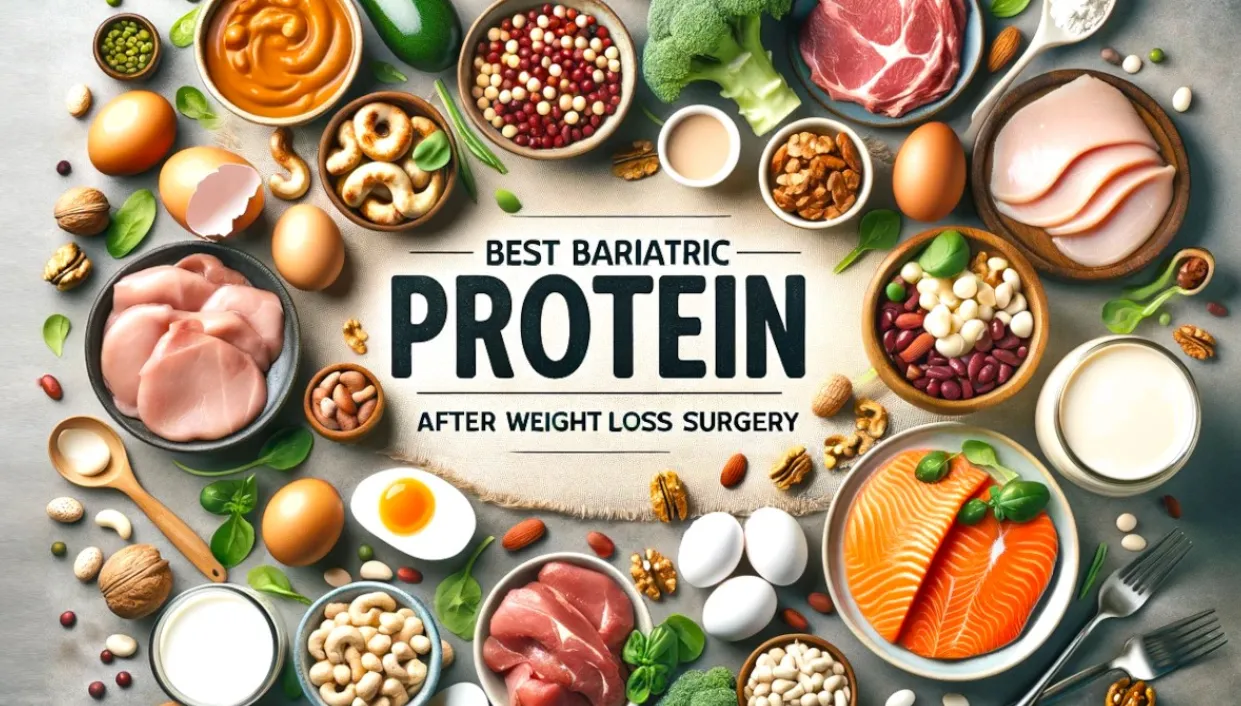
- Lean Proteins: Skinless chicken, turkey, fish, eggs, and plant-based proteins like lentils and tofu.
- Non-starchy Vegetables: Broccoli, spinach, and cauliflower add essential nutrients while being low in calories.
- Healthy Fats: Avocados, olive oil, and nuts provide energy and important fatty acids while aiding in satiety.
- Whole Grains: Options like quinoa and brown rice can be included later for their fiber content, aiding digestion.
- Dairy or Dairy Alternatives: Low-fat milk, yogurt, or fortified plant-based milks are great sources of protein and calcium.
Foods to Avoid After Bariatric Surgery
Understanding what to avoid is equally crucial:
- Sugary Foods: Desserts, candy, and sugary drinks can lead to dumping syndrome and add empty calories.
- Processed Foods: These often contain unhealthy fats, added sugars, and preservatives.
- High-fat Foods: Greasy or fried foods can lead to discomfort.
- Fibrous Vegetables: Foods like celery and corn may be hard to digest and cause blockage post-surgery.
Sample Meal Plans for Bariatric Patients
Planning meals post-surgery can significantly aid in adherence to nutritional recommendations. Here are sample meal plans:
Breakfast: Scrambled eggs with spinach and a small slice of whole-grain toast.
Snack: Greek yogurt with a sprinkle of nuts.
Lunch: Grilled chicken salad with mixed greens and a light vinaigrette.
Snack: A few baby carrots with hummus.
Dinner: Baked salmon with steamed broccoli and quinoa.
Tips for Long-Term Success with Bariatric Foods
For long-term success after bariatric surgery, we need to adopt sustainable habits:
- Regular Monitoring: Track weight and nutrient intake to adjust the diet as necessary.
- Mindful Eating: Savor meals, chew slowly, and recognize hunger cues to avoid overeating.
- Engagement in Support Groups: Connecting with others on a similar journey can provide support and valuable insights.
Conclusion
Selecting the right bariatric soft foods is fundamental to health and success post-surgery. By understanding our nutritional needs and prioritizing healthy food choices, we can navigate this transformative journey with confidence. The right support and information will empower us to make choices that foster lasting results.