

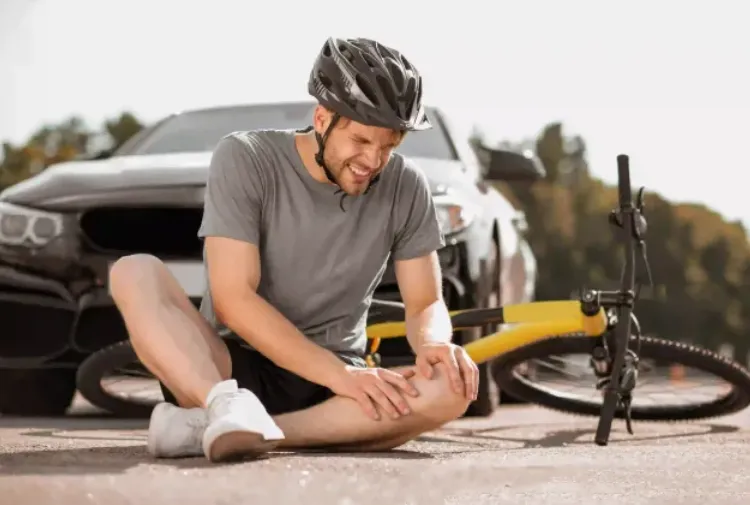
You might just be out for a casual ride in Charleston or letting your kid pedal around the block after school. Most people don’t think about what could go wrong until it does.
“Even if you do everything right, you can’t always protect yourself from unforeseen elements, such as a distracted or careless driver,” says personal injury attorney Jan Dils of Jan Dils, Attorneys at Law.
The truth is, bike accidents can happen when you least expect them, and most of the time, it’s usually the cyclist who pays the price. That’s why it’s worth knowing what the risks are and how to protect yourself before an accident happens.
Who’s at Risk in West Virginia?
With more folks choosing bikes to get around these days, it’s fair to ask: who’s actually at risk on our roads? The answer might surprise you.
- College students in Morgantown often bike to class or work through heavy campus traffic. Between speeding drivers and limited infrastructure, it doesn’t take much for things to go wrong.
- Recreational riders on scenic trails sometimes cross busy roads without warning signs or clear lines of sight. A peaceful ride can turn dangerous in seconds.
- Drivers who aren’t paying attention may forget that cyclists have just as much right to be on the road. That lack of awareness leads to a lot of close calls and some serious accidents.
- Kids riding in neighborhoods often have no bicycle lanes or protective barriers. Even in slower residential areas, one distracted driver is all it takes.
The Most Common Causes of Bike Accidents
Now that you know who’s most at risk, let’s look at the why. Bicycle accidents happen for all sorts of reasons, but a few come up more often than others:
- Distracted Driving: One glance at a text message is all it takes. And yes, bikers do it too. These earbuds can be just as dangerous.
- Poor Visibility: Sometimes, it’s not what you did; it’s what you couldn’t see. Whether it’s a foggy start along the Mon River Trail or a shaded curve in Fayette County, riders can disappear into the landscape.
- Riding Against Traffic: A lot of riders think it’s safer to see the cars coming, but it’s actually the opposite. Drivers just aren’t watching for you on that side of the road.
- Drunk or Impaired Driving: Whether it’s a party weekend in a college town or a long drive home from the bar, alcohol is still a major cause of serious bicycle injuries.
- Dooring in Cities: That split second between a car door opening and a rider passing is brutal. There’s no warning, and no chance of dodging.
How to Stay Safe on West Virginia Roads
It’s not all bad news. Now that you know who’s most at risk and why accidents happen, here’s the good part: there’s a lot you can do to protect yourself. These simple habits can go a long way in keeping you safe on West Virginia roads.
- Wear a Helmet: Many head injuries are avoidable with a helmet. Just wear one, no exceptions.
- Stick to the Right Side: Stay on the dedicated side where drivers expect to see you. Riding against traffic does more harm than good.
- Be Visible: You might see the driver, but can they see you? Reflectors and bright gear help you stand out.
- Avoid Loose Clothing: If it flaps, dangles, or drags, it can get caught and take you down fast.
- Check Your Bike: Quick once-overs save lives. Make sure your brakes and tires are good, especially before downhill rides.
- Avoid Biking in Bad Weather: If the weather’s bad, wait it out and ride another day.
- Respect the Rules: Rules keep you safe; observing them strengthens your position if you’re ever involved in a crash.
What to Do After a Bike Accident
Knowing what to do in the moments after a crash when your head is spinning, and you’re not sure what comes next, is crucial.
- Get Medical Attention Even When Your Injuries Seem Minor: Some injuries may take hours or days to become apparent. Don’t wait to see if it “feels better later.” Get checked out right away.
- Call the Police and Document the Scene: A police report helps lay the groundwork in case things become complicated later.
- Get Witness Info and Take Photos: Locals are usually willing to help; just ask. It may feel awkward at the moment, but it will matter later.
- Call a Personal Injury Lawyer: If the crash was not your fault, speak to a personal injury attorney who focuses on bicycle accidents. They’ll help you understand your rights and fight for what you deserve.
Conclusion
Unfortunately, bicycle accidents happen. As a rider, you must take various precautions to keep yourself safe when on the road. Understanding the common causes of these accidents, measures to ensure your safety, and actions you must take when an accident happens are crucial aspects to ensure minimal repercussions.