

Key Takeaways
- Poor posture, muscle strain, herniated discs, whiplash, and arthritis are frequent sources of neck pain.
- Adopting good habits and seeking appropriate care can significantly reduce discomfort and improve mobility.
- Chiropractic care provides effective, non-invasive solutions for a variety of causes of neck pain.
- Resources like Harvard Health Publishing and Mayo Clinic offer additional trustworthy guidance on neck pain management.
Table of Contents
- Poor Posture
- Muscle Strain
- Herniated Discs
- Whiplash
- Arthritis
- How Chiropractic Care Can Help
- Additional Resources
Neck pain is one of the most common musculoskeletal complaints, affecting people of all ages and activity levels. Whether it arises from hours spent hunched over a screen or the aftermath of a sudden accident, neck discomfort can interfere with daily life and overall well-being. Thankfully, addressing underlying causes and exploring specialized options such as chiropractic care can offer relief for many. Pregnant individuals may also benefit from prenatal care that includes attention to spinal health and posture, especially as their bodies change.
Understanding the root causes of neck pain is essential to finding effective, lasting solutions. From simple postural habits to more complex medical conditions, recognizing what’s causing your discomfort lays the groundwork for recovery and prevention.
Poor posture and repetitive stress are major contributors, but several factors can lead to ongoing pain or limited mobility. Consulting with healthcare providers early can help prevent minor aches from developing into chronic issues.
Beyond daily habits, acute injuries like whiplash or underlying conditions such as arthritis can require a targeted treatment approach. By learning more about these common causes, you can take proactive steps toward improving your neck health.
Poor Posture
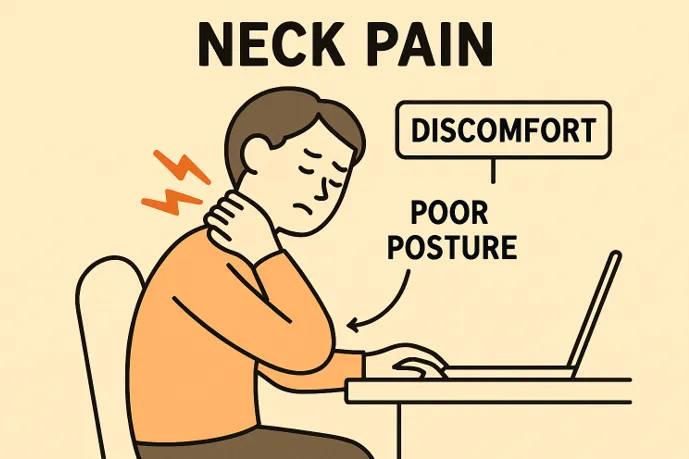
Daily routines often include activities that encourage poor posture, such as slouching at a computer, looking down at a mobile device, or sitting for long periods without proper back support. When the head is consistently pushed forward or out of alignment, extra stress is placed on neck muscles and ligaments. Over time, this strain results in muscle fatigue, stiffness, and persistent soreness. Being mindful of your posture and making ergonomic adjustments to your workspace can help reduce these symptoms and support long-term spinal health, according to the CDC’s guidelines on physical activity.
Muscle Strain
Muscle strain is a frequent cause of neck pain and usually stems from overexertion or repetitive movements. Sports injuries, heavy lifting, or simply sleeping in an awkward position can overstress the neck’s muscles. The resulting pain may be sharp or dull and often limits the ability to fully turn the head. Gentle stretching, rest, and ice or heat therapy can alleviate discomfort, but chronic strain may require rehabilitation exercises and professional evaluation to prevent recurrences.
Herniated Discs
The cervical spine contains delicate discs that act as cushions between the vertebrae, absorbing shock and enabling smooth movement. If one of these discs bulges or ruptures, nearby nerves may become compressed, resulting in pain, tingling, numbness, or weakness that may extend to the shoulders, arms, or hands. Left untreated, herniated discs can cause ongoing neurological symptoms and may impact quality of life. Medical evaluation is crucial for persistent pain, and treatment options often include therapy, medication, and chiropractic interventions to relieve nerve pressure.
Whiplash
Whiplash most commonly results from car accidents or sudden impacts that jerk the head forward and backward quickly. This forceful motion overstretches the neck muscles and ligaments, leading to symptoms like pain, stiffness, dizziness, or headaches. While whiplash frequently resolves with conservative care, severe cases require thorough assessment to rule out further injury to the spine or nerves. Early intervention with gentle movement, pain management, and professional guidance can help restore proper function and prevent long-term issues.
Arthritis
Chronic neck pain can also arise from degenerative conditions such as osteoarthritis. As cartilage within the neck’s facet joints wears down over time, inflammation and stiffness increase, limiting motion and contributing to persistent pain. Factors such as aging, genetics, and prior injury can increase the likelihood of arthritis. Management typically involves anti-inflammatory medications, targeted exercise, physical therapy, and lifestyle modifications emphasizing joint protection. According to the Arthritis Foundation, maintaining a healthy weight and staying active can slow the progression of cervical arthritis.
How Chiropractic Care Can Help
Chiropractic care is increasingly recognized as an effective, non-invasive strategy for relieving many forms of neck pain. By focusing on the relationship between the spine, nervous system, and muscles, chiropractors use hands-on techniques to restore alignment and promote healing.
- Spinal Adjustments: Chiropractic adjustments gently realign the vertebrae to reduce nerve compression, minimize pain, and restore normal motion.
- Soft Tissue Therapy: Massage and muscle-release techniques target areas of tension, helping speed recovery from muscle strains and whiplash injuries.
- Postural Correction: Chiropractors assess posture and provide practical guidance to improve posture during everyday activities, reducing the risk of future neck injuries.
- Rehabilitation Exercises: Individually designed exercise routines enhance neck strength and flexibility, supporting long-term mobility and comfort.
In addition to traditional chiropractic adjustments, providers often recommend ergonomic education, nutritional guidance, and lifestyle counseling to provide comprehensive care.
Additional Resources
For a deeper understanding of neck pain and a variety of management strategies, visit the Mayo Clinic’s resource on symptoms and causes. Their resource covers symptoms, causes, and up-to-date treatment options.
Addressing neck pain early and seeking proper care can help you regain comfort and maintain an active, healthy life.