

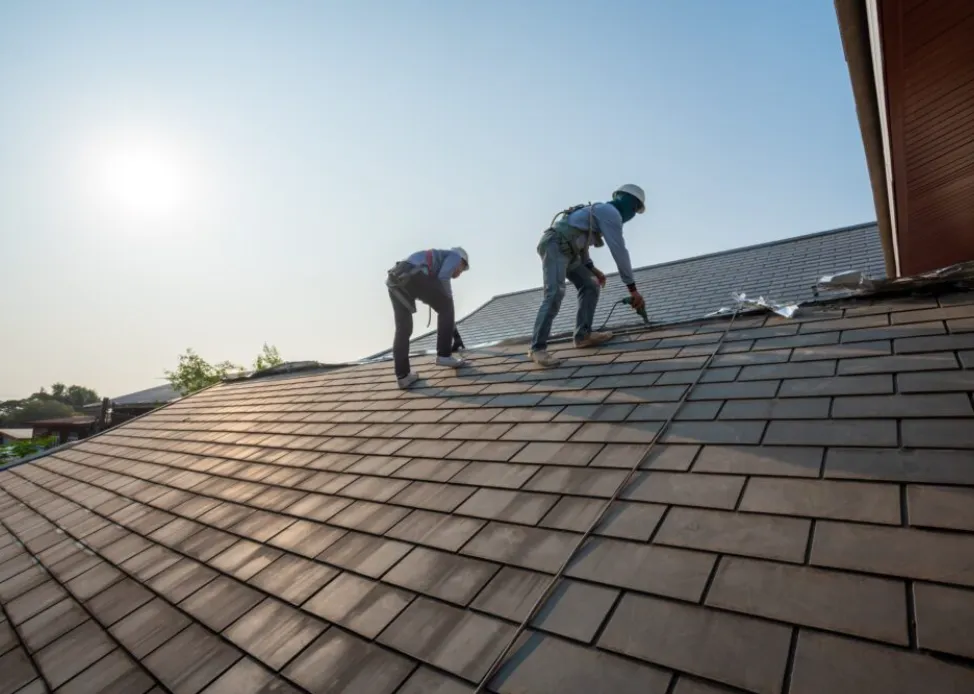
When homeowners and business owners face roofing decisions, one of the most debated topics is whether to install a layover roof or complete a full tear-off replacement. A layover roof, also known as a roof overlay, involves installing new roofing materials directly over existing shingles or roofing systems without removing the old layer first. This approach has gained popularity due to its cost-effectiveness and reduced installation time, but it’s not suitable for every situation.
The decision between a layover roof and complete replacement can significantly impact your property’s value, energy efficiency, and long-term maintenance costs. Understanding the intricacies of layover roofing systems helps property owners make informed decisions that align with their budget, timeline, and structural requirements. This comprehensive guide examines the advantages and disadvantages of layover roofs, explores when they’re appropriate, and provides essential considerations for anyone contemplating this roofing solution.
Understanding Layover Roof Installation
Layover roof installation involves placing new roofing materials over an existing roof structure without removing the original layer. This process typically works best with asphalt shingles, where new shingles are installed directly over old ones. The installation begins with a thorough inspection of the existing roof to ensure it can support the additional weight and that the underlying structure remains sound.
Professional roofers assess the current roof’s condition, checking for damaged or missing shingles, proper ventilation, and structural integrity. The existing roof must be relatively flat and smooth to provide an adequate foundation for the new layer. Any loose or damaged shingles are secured or replaced before the overlay begins.
The installation process follows similar steps to traditional roofing, including proper flashing installation around penetrations and edges. However, special attention must be paid to maintaining proper ventilation and ensuring the new roofing materials integrate seamlessly with existing components. Most building codes allow up to two layers of asphalt shingles, making layover installation legally permissible in many jurisdictions.
Key Advantages of Layover Roofing
Cost savings represent the most significant advantage of layover roofing systems. Property owners typically save 20-30% on total project costs by eliminating tear-off expenses, disposal fees, and additional labor requirements. This cost reduction makes roof replacement more accessible for budget-conscious homeowners who need immediate roof repairs.
Time efficiency provides another compelling benefit, as layover installations typically complete 40-50% faster than full replacement projects. Reduced installation time means less disruption to daily activities and faster protection against weather elements. For commercial properties, shorter installation periods minimize business interruptions and associated revenue losses.
Environmental benefits emerge from reduced waste generation during layover installations. Traditional roof replacements create substantial landfill waste, with the average residential roof generating 3-5 tons of disposal materials. Layover systems significantly reduce this environmental impact by leaving existing materials in place while extending roof life.
The existing roof layer provides additional insulation and weather protection during the installation process. This benefit proves particularly valuable during unpredictable weather conditions, as the underlying roof continues protecting the structure throughout the installation period.
Potential Disadvantages and Limitations
Weight considerations present the most critical limitation of layover roofing systems. The additional layer increases structural load by approximately 2-4 pounds per square foot, depending on material types. Older buildings or structures with compromised framing may not safely support this additional weight without reinforcement.
Hidden damage detection becomes significantly more challenging with layover installations. Problems like rotted decking, damaged structural components, or inadequate ventilation remain concealed beneath the existing roof layer. These hidden issues can continue deteriorating, leading to more extensive and expensive repairs later.
Reduced lifespan compared to complete replacement installations often affects layover roofs. The underlying layer may contain moisture, debris, or damaged components that compromise the new roof’s performance. Most layover installations last 15-20% shorter than complete replacement systems due to these underlying factors.
Code compliance issues may arise in certain jurisdictions or situations. Some building codes restrict layover installations based on building age, structural requirements, or local climate conditions. Additionally, many building codes prohibit more than two shingle layers, eliminating future layover options.
When Layover Roofs Make Sense
Layover installations work best when existing roofs show minimal damage and maintain structural integrity. Properties with roofs less than 15-20 years old often qualify for layover installations, provided the underlying structure remains sound and properly ventilated.
Budget constraints frequently drive layover decisions, particularly for property owners facing immediate roofing needs without funds for complete replacement. Emergency situations, such as storm damage or sudden leaks, may necessitate quick, cost-effective solutions that layover systems provide.
Commercial properties with large roof areas benefit significantly from layover installations due to substantial cost savings and reduced business disruption. Warehouses, retail centers, and industrial facilities often choose layover solutions to maintain operations while addressing roofing needs.
Investment properties represent another scenario where layover roofs make financial sense. Property owners seeking cost-effective improvements to maintain rental income or prepare properties for sale often find layover installations provide adequate protection at reasonable costs.
A recent project involved a 25-year-old office building where the existing asphalt shingle roof showed minor wear but maintained structural integrity. The property owner chose a layover installation that saved $15,000 compared to complete replacement while providing 15-20 years of additional protection.
Alternative Roofing Solutions to Consider
Complete tear-off replacement provides the most comprehensive roofing solution, allowing full inspection and repair of underlying components. This approach costs more initially but often provides better long-term value through extended lifespan and improved performance. Pickle Roofing specializes in helping property owners evaluate whether complete replacement or layover installation best serves their specific needs.
Metal roofing systems offer excellent alternatives for properties requiring durable, long-lasting protection. Standing seam metal roofing provides superior weather resistance and energy efficiency compared to traditional asphalt systems. These systems often install over existing roofs with proper preparation and structural assessment.
For commercial applications, TPO roofing systems provide excellent performance and energy efficiency. These single-ply membrane systems work particularly well for flat or low-slope commercial buildings requiring reliable waterproofing protection.
Corrugated metal roofing offers another durable alternative for residential and commercial properties. These systems provide excellent weather resistance, energy efficiency, and longevity while maintaining cost-effectiveness compared to premium roofing materials.
Making the Right Decision for Your Property
Professional roof inspection provides the foundation for informed decision-making regarding layover versus replacement options. Qualified roofing contractors assess structural capacity, existing roof condition, local building codes, and long-term cost implications to recommend appropriate solutions.
Consider your property’s long-term plans when evaluating roofing options. Properties planned for sale within 5-10 years may benefit from cost-effective layover solutions, while long-term residences often justify complete replacement investments.
Local climate conditions significantly influence layover roof performance and suitability. Areas with severe weather, heavy snow loads, or extreme temperature fluctuations may require complete replacement to ensure adequate protection and longevity.
Financial analysis should include both immediate costs and long-term implications. While layover installations cost less initially, they may require replacement sooner than complete tear-off systems, potentially resulting in higher lifetime costs.
Frequently Asked Questions
How long do layover roofs typically last compared to complete replacements?
Layover roofs generally last 15-25 years, which is about 15-20% shorter than complete replacement installations. The reduced lifespan occurs because underlying issues like moisture, debris, or damaged components can continue affecting the new roof’s performance. Complete replacements typically last 25-30 years for asphalt shingles because they start with a clean, inspected foundation.
Can any type of roofing material be installed over existing roofs?
Not all roofing materials work for layover installations. Asphalt shingles work best for overlay systems, while materials like slate, tile, or metal roofing typically require complete tear-off due to weight and installation requirements. The existing roof must be relatively flat and structurally sound to support additional materials safely.
What building code restrictions apply to layover roof installations?
Most building codes allow maximum two layers of asphalt shingles, meaning properties with existing layover roofs cannot add another layer. Some jurisdictions restrict layover installations based on building age, structural requirements, or climate conditions. Always check local building codes and obtain proper permits before proceeding with layover installations.
How do I know if my existing roof can support a layover installation?
Professional structural assessment determines layover feasibility by evaluating roof framing, foundation capacity, and existing roof condition. Signs that may indicate unsuitability include sagging roof lines, damaged or rotted decking, inadequate ventilation, or previous structural modifications. A qualified contractor should inspect these factors before recommending layover installation.
What happens if problems develop with the underlying roof after layover installation?
Problems with the underlying roof after layover installation typically require complete removal of both layers to access and repair damaged components. This situation results in higher costs than if complete replacement had been chosen initially. That’s why thorough inspection before layover installation is crucial for identifying potential issues that could develop later.
Evaluating Whether a Layover Roof Is Right for Your Home
Pickle Roofing roof layover service offers compelling advantages for specific situations, including significant cost savings, reduced installation time, and environmental benefits through waste reduction. However, they also present limitations such as increased structural load, hidden damage concerns, and potentially shorter lifespan compared to complete replacement systems. The decision between layover and complete replacement depends on factors including existing roof condition, structural capacity, budget constraints, and long-term property plans. Professional evaluation by qualified roofing contractors ensures you choose the most appropriate solution for your specific situation, balancing immediate needs with long-term performance and value considerations.
About Pickle Roofing
Pickle Roofing specializes in comprehensive roofing solutions with over two decades of experience serving residential and commercial clients throughout the region. We provide expert layover installations, complete roof replacements, and metal roofing systems including standing seam, corrugated, and TPO applications. Our team of certified roofing professionals combines technical expertise with industry knowledge to deliver superior weather protection, energy efficiency, and long-lasting performance.
We pride ourselves on honest assessments, quality workmanship, and transparent pricing that helps property owners make informed roofing decisions. Our comprehensive services include structural evaluations, code compliance verification, and detailed cost analysis to ensure each project meets specific requirements and budget constraints. We have helped thousands of clients achieve reliable roof protection through customized solutions that balance immediate needs with long-term value.
Contact our team today to discuss how our roofing expertise can help you determine whether layover installation or complete replacement best serves your property’s needs. Schedule a consultation to learn more about our comprehensive roofing services and how we’ve helped clients achieve lasting protection and peace of mind.
| Business Name: | Pickle Roofing Solutions |
| Address: | 1333 W McDermott Dr # 200, Allen, TX 75013 |
| Phone number: | (972) 954-7186 |