

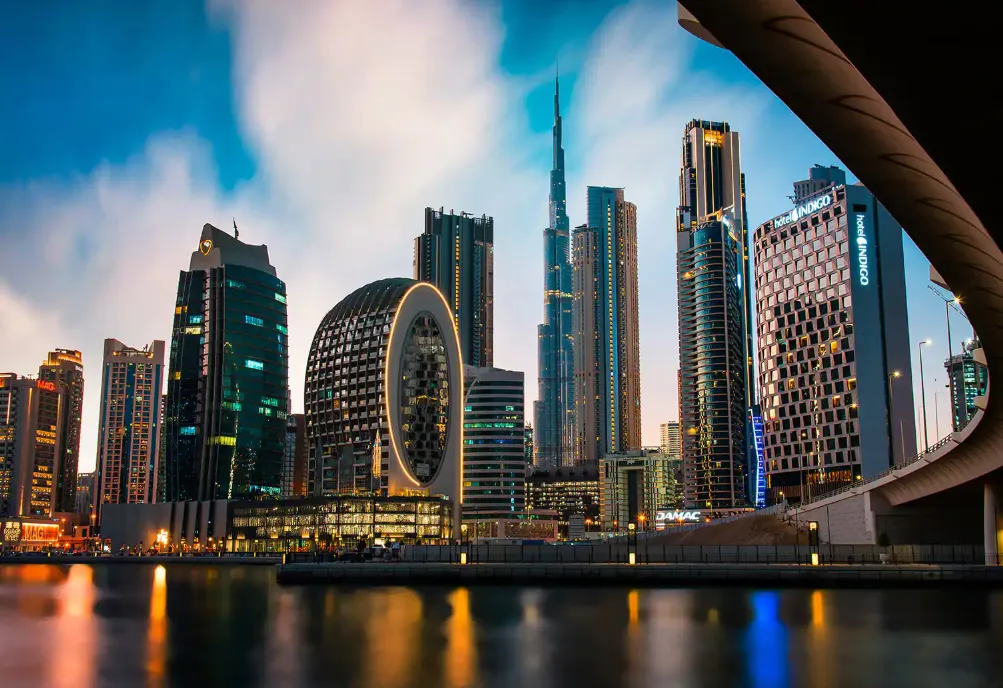
In a city that seems to outpace itself with every sunrise, Dubai-Real.Estate stands as the modern investor’s compass—offering a panoramic lens into one of the globe’s most electric and shape-shifting real estate markets. Over the last few years, Dubai’s property scene has rewritten its own playbook: residential prices have leapt by more than 60%, rental yields have stayed enviably high, and the rules of who can live, invest, and profit here have been turned inside out by liberal visa laws, bold economic reform, and concrete-and-glass marvels rising from desert sands.
But behind the skyline and sales charts lies a more intricate picture—where each segment, district, and policy move feeds into a high-stakes ecosystem of growth, speculation, and calculated risk. Whether you’re drawn to glassy towers downtown or gated green havens on the city’s fringes, understanding the real mechanics of this market is essential.
<H2> The Pulse of Progress: What’s Driving Dubai’s Momentum?
Dubai isn’t growing by accident—it’s growing by design. Over the past three years, the city has engineered a cocktail of policies, infrastructure investments, and macroeconomic strategy that continues to magnetize global investors.
Golden Visas and Digital Nomads:
Dubai has thrown its doors open to a new kind of resident—those who bring wealth, knowledge, or international business with them. Through residency schemes aimed at investors, entrepreneurs, and remote professionals, demand has flooded into both luxury apartments and family-centric villas.
The Expo Effect and Beyond:
The Expo 2020 project may have concluded, but its aftershocks are reshaping the map. District 2020, born from the Expo grounds, is transforming into a mixed-use nexus of business, housing, and innovation. It’s an emblem of Dubai’s talent for reinvention.
The D33 Blueprint:
Dubai’s 10-year masterplan to double its GDP by 2033 isn’t just a talking point—it’s a seismic push into technology, sustainability, and financial services. Each of those verticals demands real estate—commercial, residential, and industrial—fueling the market from multiple angles.
<H2> Market Layers: A Mosaic of Opportunity
Dubai’s real estate is not monolithic—it’s modular, diverse, and sometimes dizzying. Each type of property speaks to a different kind of buyer and a different investment thesis.
Urban Apartments:
Downtown, Business Bay, and Dubai Marina are ground zero for high-rise apartment living. These areas blend lifestyle and return potential, with average prices commanding a premium—and rising.
Suburban Villas:
In communities like Arabian Ranches and Dubai Hills Estate, villas have become symbols of upscale family life. Tree-lined streets, private pools, and golf-course views come with a price tag—but also long-term tenants.
Off-Plan Properties:
Half the market’s transactions are now off-plan. Why? Because investors love the low upfront costs, structured payment plans, and the chance to enter at pre-completion prices.
<H2> Zooming In: Prices & Yields
Let’s turn to the numbers—because in Dubai, data doesn’t just inform decisions, it defines them.
Average Price per Square Foot
| Segment | Avg. Price (AED/sq. ft.) | Change vs. 2021 |
| Downtown Dubai | 1,750 | +75% |
| Jumeirah Lakes Towers (Flats) | 1,702 | +60% |
| Arabian Ranches (Villas) | 1,969 | +55% |
| Silicon Oasis (Affordable Apartments) | 1,218 | +24.5% |
Rental Yield Comparison
| Property Type | Avg. Gross Yield |
| Apartments in Dubai | 6.5% |
| Villas in Dubai | 5.0% |
| Off-Plan Residences | 7.0% (projected) |
The takeaway? Dubai is still offering yield plays that outperform many mature global markets, and capital appreciation has been nothing short of explosive in key zones.
<H2> Reading the Road Ahead
Correction on the Horizon?
Some clouds are gathering. With over 210,000 new units slated for delivery through 2026, analysts are signaling a likely market cooling—perhaps a 10–15% dip in average prices. But these are cyclical winds, not structural failures.
Systemic Guardrails:
To reduce volatility, authorities have imposed stricter mortgage caps and enhanced borrower scrutiny. Banking exposure to real estate has already dropped from 20% to 14% of gross loans. This isn’t just risk management—it’s market stewardship.
<H2> Where to Focus: Area Spotlights
Dubai is a city of micro-markets. Here’s where investor attention is clustering—and why.
- Downtown & Business Bay:
Sky-high towers, financial centers, and walkability to landmarks like Burj Khalifa make these areas hotbeds for appreciation. - Dubai Marina & JLT:
These waterfront districts hum with short-term rental activity, particularly from tourists and expats. - Arabian Ranches & Damac Hills:
Peaceful, amenity-rich communities draw long-term family renters—ideal for investors who prefer low turnover. - Silicon Oasis & Dubai South:
These up-and-coming zones are catching attention for affordability and proximity to tech and logistics hubs.
<H2> The Infrastructure Behind the Investment
The broader ecosystem supporting Dubai real estate is mature, fast-moving, and increasingly global.
Brokerage Services:
Top-tier agencies offer start-to-finish solutions—from selecting a property to managing tenancy and resales.
Financing Options:
Local banks offer up to 70% loan-to-value ratios with competitive interest rates starting around 3.5%. Approval processes have become more digital and data-driven.
Property Management & Co-Living:
Short-term rental management firms are helping landlords extract 8–10% net ROI, while co-living formats are quietly rising among the city’s younger workforce.
<H2> Buyer Intelligence: Key Moves Before You Commit
Make no mistake—this is a market that rewards knowledge.
- Title Checks:
Always confirm registration and encumbrance status with local authorities. - Reputation Matters:
Choose developers with a history of on-time delivery and financial transparency. Some names carry more weight than others. - Liquidity Planning:
Know your exit strategy. Central apartments for sale in Dubai often resell in under 6 months; villas may take up to a year. - Currency & Tax Considerations:
The AED’s peg to the USD minimizes exchange risk, and the lack of annual property tax adds to Dubai’s investor appeal.
<H2> Closing Perspective
Dubai’s property market doesn’t just offer real estate—it offers a story of transformation, resilience, and ambition. From vertical urban cores to suburban sanctuaries, the market reflects the city’s larger narrative: bold, strategic, and always looking forward.
Yes, there may be dips. Yes, oversupply is a risk in pockets. But the long-term drivers—population growth, economic diversification, and infrastructural audacity—are as potent as ever.
For those ready to navigate complexity and move with the rhythm of this dynamic city, now is not just a good time to buy property in Dubai—it may be the smartest time.