

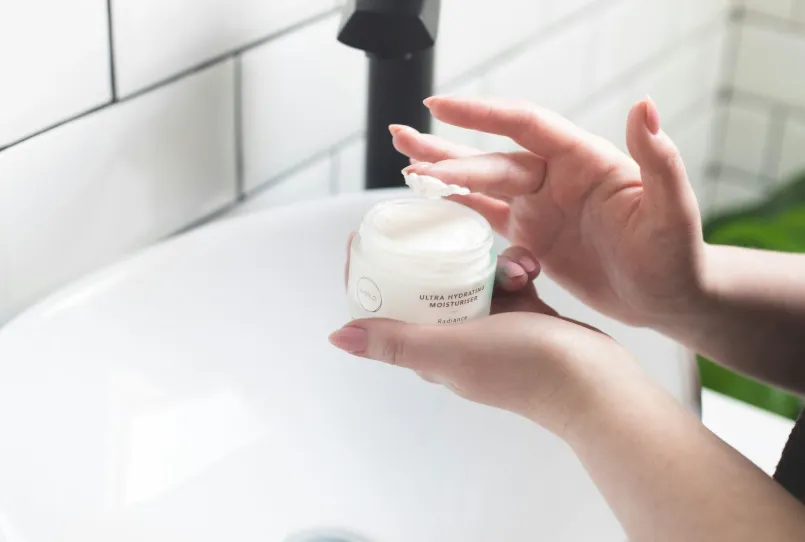
Image from Unsplash
When your body is going through a difficult chapter, whether it’s recovering from illness, stress, or medical treatment, your skin often reflects the struggle. It becomes more fragile, reactive, and in need of extra care. That’s why gentle rituals and thoughtful choices matter so much during recovery. For many, incorporating soothing solutions like oncology skin care products offers both comfort and a reminder that self-care can be a vital part of healing.
Healing isn’t just about what happens inside your body, it’s about how you nurture yourself on the outside too. Skin is our largest organ, and it acts as both a protective barrier and a visible indicator of internal health. When the body is stressed or weakened, this barrier can become more vulnerable, making kindness in skincare not just a luxury, but a necessity.
The Skin-Body Connection
Skin is far more than what we see in the mirror. It’s deeply interconnected with the body’s immune system, nervous system, and overall resilience. When your body is under strain, whether from surgery, chemotherapy, chronic illness, or even high stress, skin cells can become compromised. This may show up as dryness, redness, increased sensitivity, or delayed wound healing.
According to the National Cancer Institute, many medical treatments directly affect the skin, leading to conditions such as rashes, itching, and heightened sensitivity. These side effects may seem secondary compared to the main illness, but for patients, they can significantly affect comfort and quality of life.
In this way, taking care of your skin becomes more than a cosmetic practice, it becomes part of your healing strategy.
Why Skin Suffers During Recovery
There are several reasons why the skin needs extra support when your body is focused on repair:
- Weakened Immune Response
Healing often diverts the body’s energy toward internal recovery, leaving skin with fewer resources to repair itself. - Increased Sensitivity
Medical treatments like radiation or chemotherapy can strip away natural oils and disrupt the skin barrier, making it more reactive. - Dehydration
Many treatments and medications can dehydrate the body, leading to dryness and irritation in the skin. - Emotional Stress
Stress hormones like cortisol can thin the skin, delay healing, and exacerbate conditions like eczema or acne. - Nutrient Deficiency
When the body is under strain, it prioritizes essential functions, sometimes leaving the skin deprived of the vitamins and minerals it thrives on.
Understanding these connections makes it clear why skin requires gentleness and attention during these times.
Kindness Through Gentle Rituals
One of the most effective ways to support your skin during recovery is by creating small, consistent rituals that emphasize care without overwhelming the body. Here are a few gentle practices:
1. Hydration from the Inside Out
Drinking enough water supports circulation, detoxification, and hydration at the cellular level. Pair this with lightweight moisturizers that lock in water and protect against environmental stressors.
2. Choosing Gentle, Soothing Formulations
Harsh chemicals, fragrances, or aggressive exfoliants can further damage vulnerable skin. Instead, opt for oncology-safe, dermatologist-approved products designed with sensitive skin in mind.
3. Prioritizing Sun Protection
The skin becomes more susceptible to UV damage when compromised. A mineral-based sunscreen offers an extra layer of defense without irritating sensitive cells.
4. Stress-Reducing Touch
Massaging creams or oils into the skin isn’t just about hydration, it stimulates circulation, encourages lymphatic drainage, and reduces stress through calming touch.
5. Cooling Relief for Irritation
Cold compresses or aloe-based gels can provide instant relief for inflamed or reactive skin, calming both sensation and appearance.
The Emotional Power of Skincare

Image from Unsplash
Skincare during recovery isn’t purely physical, it’s emotional. Simple rituals like applying a cream or soaking in a warm bath can become powerful acts of self-compassion. For many patients, especially those undergoing treatment, these moments serve as reminders that they are more than their illness, they are still whole, deserving, and worthy of care.
Psychologists often emphasize that self-care practices, even small ones, can enhance emotional resilience. When your reflection shows signs of nourishment instead of neglect, it can bolster hope and reinforce the idea that healing is happening.
Nourishment Beyond Products
While skincare products are important, lifestyle choices also play a role in supporting skin health during recovery.
- Balanced Nutrition: Foods rich in antioxidants, omega-3 fatty acids, and vitamins A, C, and E promote repair and resilience.
- Adequate Rest: Sleep is when the body does its most intensive healing work, including repairing skin cells.
- Stress Management: Practices such as meditation, journaling, or gentle yoga reduce cortisol, which in turn improves skin function.
- Connection: Social support and meaningful interactions can lower stress hormones and even improve how your body responds to treatment, indirectly benefiting your skin.
Each of these practices weaves together to create a supportive environment for both body and skin.
What Science Says About Healing Skin
Dermatological studies highlight that vulnerable skin is more prone to infection and discomfort, making care essential. A report from the American Academy of Dermatology confirms that gentle skincare routines tailored for sensitive or compromised skin can reduce irritation, improve healing, and enhance comfort for patients undergoing medical treatments.
It’s a powerful reminder that paying attention to your skin isn’t vanity, it’s a medical and emotional necessity.
Creating Your Personal Healing Routine
The key to successful self-care during recovery isn’t complexity, it’s consistency. Start small:
- Morning: Cleanse with a gentle, fragrance-free wash and apply a soothing moisturizer.
- Daytime: Reapply sunscreen if you’re outdoors, and drink water frequently.
- Evening: Use a calming cream or balm to lock in hydration before bed.
Think of these steps as anchors in your day, grounding you with familiar, nurturing gestures even when life feels uncertain.
When your body is healing, your skin deserves compassion. It’s not just about looking good, it’s about feeling supported, comfortable, and cared for during one of life’s most challenging moments. By choosing gentle rituals, supportive lifestyle habits, and soothing solutions like oncology skin care products, you send a powerful message to yourself: healing is not only possible, it’s already underway.
Your skin is the body’s frontline defender, but it’s also a mirror of how well you care for yourself. When you show it kindness, you strengthen more than just your appearance, you nurture resilience, confidence, and the quiet courage to keep moving forward.