

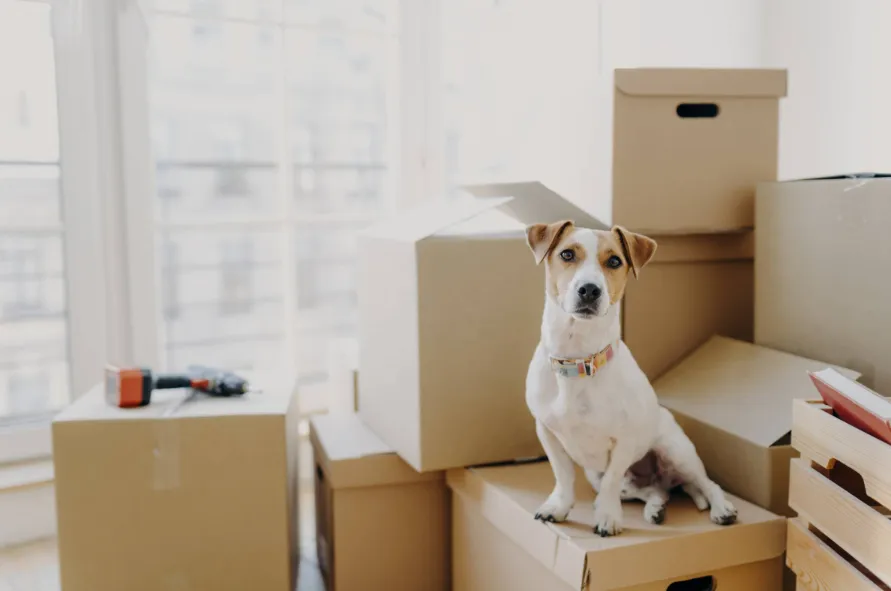
New home excitement fades away when pets experience the overwhelming stress of relocation. Animals, such as cats and dogs, function best when they have consistent daily routines and familiar surroundings. The accumulation of boxes, together with the loss of their preferred resting areas, causes their stress to rise rapidly.
The relocation process needs more than basic transportation between two residential locations. You need a plan that matches your animals’ specific requirements, together with continued commitment to reach your goal. The guide provides a comprehensive checklist to guide you through the process from start to finish.
Moving Strategy: Planning Ahead
The essential element for decreasing pet anxiety during relocation requires proper preparation. Start by setting a realistic timeline. The packing process needs to be divided into different phases because this method allows your animals to get used to their changing surroundings. Sudden chaos often makes animals anxious, so a slower pace works in your favor.
Think about how you’ll organize the moving day itself. Your pets will benefit from spending time with you, but a few hours with a sitter or at a boarding facility could work better for their needs. The key to success lies in making plans at this stage, as it will help you avoid last-minute rushes. Partnering with a reliable long-distance moving company can also alleviate a significant amount of stress, ensuring that everything from transportation to timing runs smoothly.
Research your upcoming home area when you start planning. Check local pet rules and regulations when you plan to move to another city or state. Rental properties have different rules regarding pets, including leash requirements, breed limitations, and pet ownership costs. The search for parks, veterinary clinics, and walking trails should begin before you move, as it will provide immediate direction after your relocation.
Pre-Move Preparation Checklist
A trip to the veterinarian should be one of your first steps. Check your pet’s vaccination status by obtaining their medical records from their doctor. The veterinarian appointment serves as an opportunity to discuss travel anxiety solutions for your pet, including pheromone sprays, supplements, and medications.
Updating identification is just as important. The microchip contains your new address and phone number, providing an additional layer of protection in case your pet goes missing during the moving process. The information on collars and tags needs to be verified for accuracy.
Create a travel kit specifically for your pet. Pack enough food for a few days, along with bowls, medications, favorite toys, and a blanket that smells like home. Packing all essential items in one spot will protect you from wasting time searching through boxes when your pet requires something.
Finally, think about your new home before you arrive. Pet-proofing ahead of time can save you from surprises. Inspect your home for any exposed electrical wires and accessible cleaning products, and look for small spaces where cats might become trapped. The new space needs to become safe and comfortable immediately, as this will help make the transition easier.
Moving Day Checklist
The loud noise and active movement of moving day create overwhelming conditions for pets. The best solution is to set aside a quiet room where they can stay until it’s time to leave. Their bed, together with their toys, food, and water, should occupy this area because it provides safety while the movers work on the rest of the house.
The primary priority during travel is to ensure our safety. Cats should always be transported in secure carriers. Dogs may do well with harnesses or travel crates, depending on their size and comfort level. The safest option is to use restraints because dogs experience increased anxiety during moving day, even when they remain calm during regular car rides.
The journey should remain stress-free, so maintain a peaceful environment. Some animals react positively to music that soothes them and scents they recognize from their past. The ride becomes less frightening when you bring along a toy or blanket from home.
Settling Into the New Home
Arriving at your new home marks the beginning of the process of adjusting to your new living space. Animals require sufficient time to process new odors, as well as visual and auditory stimuli. Start by giving your pet access to one room before you let them explore the entire house. Once they feel comfortable in that space, gradually introduce them to the rest of the home.
Daily routines help people decrease their stress levels. Your pets need to receive their meals at their usual times while you maintain their regular walking routine. The areas they know help them realize that some things stayed the same.
The placement of beds, litter boxes, and food bowls should follow a consistent pattern. Avoid moving things around too often. Stability enables pets to learn new behaviors while allowing them to adapt to their environment more quickly.
Post-Move Care and Adjustment
Your animals will require some time to adjust after you finish unpacking all your boxes. Watch their behavior closely. A cat that hides more than usual or a dog that barks excessively may be signaling discomfort. Stress manifests through changes in appetite, together with signs of restlessness.
Use patience to respond and provide positive feedback. The pet should receive praise together with small food treats when it remains calm. Children should explore new areas at their own pace, rather than being forced to enter them. The process of learning new skills helps people develop their confidence.
Don’t forget about essential services in your new area. Find a veterinarian in your location as soon as possible, even if your pet does not require urgent medical attention. It is essential to locate a groomer, trainer, and pet sitter during the early stages of planning your pet’s care. Having these contacts ready provides a sense of peace of mind.
Final Checklist Recap
The process of moving pets requires three main elements: preparation, safety, and patience. Begin your veterinary appointments early and keep your pet’s identification information up to date. Your pets need to stay safe and comfortable throughout the moving process. The transition to the new home needs to happen slowly while they maintain their regular patterns. Establish local pet services at a rapid rate while monitoring their progress.
Conclusion
Relocating with cats and dogs should not create stressful situations for pet owners. Your pets will stay safe and relaxed when you plan correctly for the moving process. The work you put into preparation, including packing their necessities, organizing travel, and establishing routines in the new space, will result in a better adjustment for all family members. Your pets will quickly realize that their new home functions as a haven, which will bring them happiness over time.