

Ever feel like your factory or workshop’s marketing just isn’t getting the job done? You’re not alone. Many industrial businesses still rely on traditional strategies or the hope that someone will stumble upon their catalog. But here’s the thing: today’s B2B buyers aren’t waiting for your call. They’re searching, comparing, and shortlisting online long before they ever speak to a salesperson.
If you’re a manufacturer, distributor, or industrial business owner who hasn’t dipped into online marketing much, it might seem complex. But it doesn’t have to be. This guide breaks down the manufacturing B2B marketing funnel into simple, doable steps to help you build an online system that brings in leads consistently, even when your sales team is off the clock. In this blog, you’ll explore each stage of the funnel, from attracting interest to turning that interest into orders.
What Is a B2B Marketing Funnel?
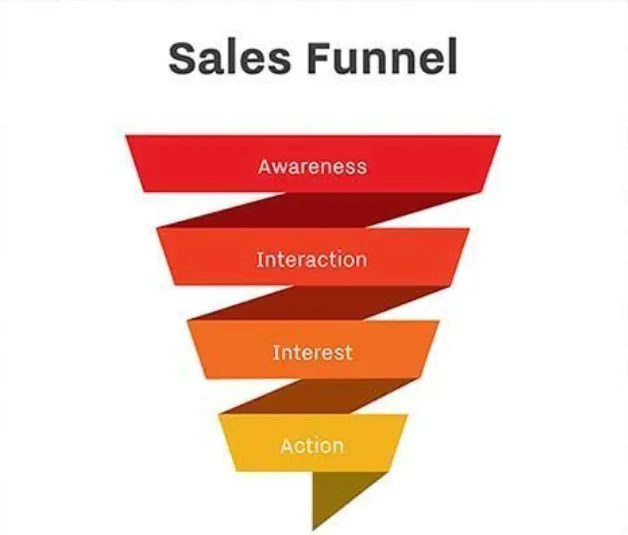
A B2B marketing funnel is just the path your buyer takes from the moment they learn your business exists, to the moment they decide to buy from you.
Think of it like a customer journey. At the top, they might be Googling general questions like “best material for outdoor valves.” As they move down the funnel, they begin checking specific vendors (maybe yours), reading product pages, and eventually reaching out for a quote.
This funnel has stages, and each one needs a different kind of content to guide the buyer along. That’s where your online presence starts working like a 24×7 salesperson.
Why Industrial Buyers Need a Funnel Too
You might think, “Your buyers just call us if they need something.” That may be true, but only for repeat clients.
New buyers often struggle to know who to trust. They’re comparing multiple vendors online. If your website doesn’t show up, or if your pages don’t explain your capabilities clearly, you could be losing business without even realizing it.
Buyers in the industrial space often:
- Start with research before they reach out.
- Need specific technical details to shortlist suppliers.
- Trust companies with a solid online presence.
That’s why a proper funnel helps. It meets them where they are and moves them closer to a sale.
Breaking Down the B2B Funnel
Every industrial buyer takes a journey starting with a simple search and ending with a vendor decision. Understanding each step of that journey helps you create content that guides buyers closer to your business.
Here are the key stages of the B2B marketing funnel and how to optimize each one:
Stage 1: Awareness: Get Found When Buyers Are Searching
At this top level, the goal is to show up when buyers ask questions online.
What kind of content works here?
- Blog posts that answer common queries (e.g., “304 vs 316 stainless steel” or “how to select a pneumatic valve”).
- Glossary pages that explain technical terms in plain English.
- Comparison guides that show differences between materials or processes.
You’re not selling yet. You’re helping. When buyers find helpful content, they begin trusting your brand.
Where do they search?
- Google is the go-to.
- YouTube, if they prefer visual learning.
- Industry forums or LinkedIn groups, in some cases.
Showing up in search results starts with having a proper website and SEO (Search Engine Optimization). That means using the same words your buyers are typing into Google, also called keywords.
Stage 2: Consideration: Show You Can Solve Their Problem
Once a buyer knows your name, now they want to know: “Can this company do what I need?” Here’s where your middle-of-the-funnel content comes in.
What should you show here?
- Capability pages: Clear, simple descriptions of your services and materials.
- Product pages: With specs, tolerances, certifications, and images.
- Case studies: Real examples of how you helped another company.
Use short paragraphs, clear headings, and bullet points. Industrial buyers don’t want fluff; they want facts, fast.
By giving them this info upfront, you reduce friction and increase the chance they’ll reach out.
Stage 3: Decision: Make It Easy to Reach Out
At this point, the buyer is close to choosing a vendor. You need to make it simple for them to get in touch.
What helps convert here?
- A Contact Us page with:
- Short form (Name, Email, Message)
- Direct phone number
- WhatsApp/Chat button (if you use it)
- A Quote Request (RFQ) form with:
- File upload (for drawings/specs)
- Project description box
- Deadline or expected delivery window
- A Call-to-Action (CTA) on every page:
- “Get a Quote”
- “Speak to a Sales Engineer”
- “Send Your Specs”
Make these buttons large, visible, and not buried at the bottom. Buyers appreciate speed and simplicity.
Supporting the Funnel with Digital Tools
Building a marketing funnel isn’t just about writing content, it’s also about using the right tools behind the scenes. These tools help you track what’s working, manage your leads, and improve your results over time. You don’t need fancy software to start just the right essentials.
Here are some simple digital tools that can support each stage of your funnel:
- Website builder or CMS (like WordPress, Webflow, or Wix)
- Lead tracking tool (to know who visited your site)
- Google Search Console (to see which queries bring traffic)
- Google Analytics (to track user behavior)
- CRM tool (like HubSpot or Zoho) to manage leads
These tools don’t need to be expensive. Even basic setups can give you enough insight to refine your funnel over time.
FAQs That Convert Curious Visitors
Adding FAQs to your pages can be a simple but powerful tool. Here are a few ideas:
- How quickly can you turn around a custom order?
- What materials do you keep in stock?
- Can I send you a drawing for review?
- Do you export internationally?
Answering these questions removes doubt and brings the buyer one step closer to clicking “Contact.”
Common Pitfalls to Avoid
When building your funnel, avoid these mistakes:
- Too much jargon: Write like you’re explaining to a friend. If your buyer doesn’t understand what you mean, they’ll leave.
- Missing contact buttons: Always include a next step on every page.
- Overload of info: Keep it skimmable. Use headings, bullets, and short paragraphs.
- No mobile support: Many users access your site on mobile devices, even in industrial sectors.
- Outdated content: A blog from 2018 doesn’t build confidence. Update your posts quarterly.
How to Bring It All Together
Now that you understand the funnel, here’s a simple roadmap to build your own:
- Start with your website.
- Make sure it’s mobile-friendly.
- Add clear service/product pages.
- Include contact forms and CTAs.
- Add one blog a week.
- Answer questions your buyers might ask.
- Use simple words and real examples.
- Track your results.
- See which pages bring traffic.
- Check which ones convert to leads.
- Improve slowly.
- Add case studies.
- Offer downloadable guides or templates.
- Run small Google Ads to test demand.
This isn’t about overnight change. It’s about building a repeatable engine that helps your business grow online and offline.
Conclusion
The old ways of selling still work. Trade shows, referrals, and cold calls aren’t going away. But they shouldn’t be your only ways of getting leads. A strong B2B marketing funnel brings in leads while you sleep, not just when someone makes a call. It helps buyers trust you before they speak to your team. It supports your sales team, shortens deal cycles, and builds long-term growth.
Even if you’re just getting started, taking small steps like improving your website, writing helpful blogs, or setting up a contact form can make a huge difference. You don’t need to become a marketing expert overnight. You just need to make your business easier to find, understand, and reach.