

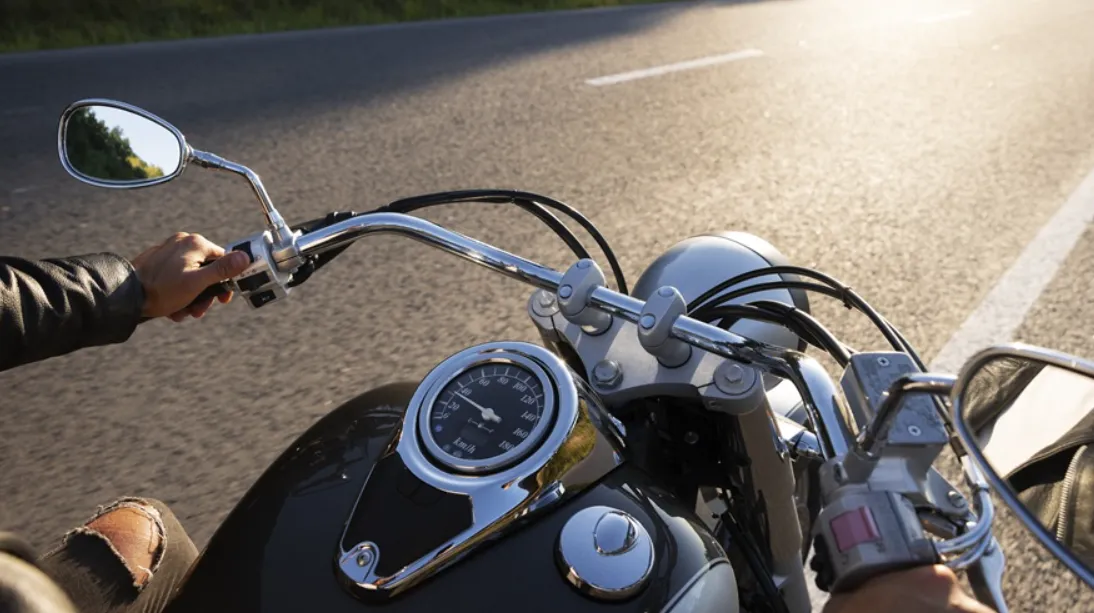
To motorcycle enthusiasts, purchasing a motorcycle is an exciting and fulfilling experience, whether on a daily commute, adventure trips, or just the feel of the breeze on their face. However, beyond the eye-pleasing motorcycle design and the adrenaline rush associated with the ride, there is a financial aspect that all riders should consider: motorcycle depreciation.
This gradual loss in value affects the motorcycle’s value over time. Depreciation significantly impacts the cost of ownership and final resale price. However, knowing how depreciation occurs can enable motorcycle riders to make better decisions when buying, maintaining, and reselling the motorcycle. This article highlights important things riders should know about motorcycle depreciation.
What Makes Pre-Owned Bikes Depreciate
When evaluating a motorcycle’s long-term value, many riders pay attention to the brand, model, and year of manufacture. However, they forget about the impact of depreciation on pre-owned bikes. Although these bikes have already gone through the steepest initial drop in value, their worth can still decrease steadily depending on several factors.
One of these critical factors is mileage. Low mileage means less wear and tear, which is why a motorbike with low mileage appeals to many potential buyers. The other determinant is the state of the motorcycle under consideration. A clean motorcycle with few cosmetic upgrades and a good service history will likely have a lower depreciation rate than a neglected one.
Resale potential is hinged upon brand reputation and model popularity. A classic example is how motorcycles from reputable brands tend to appreciate over time because they are in high demand and have proven reliability.
In addition, market trends influence depreciation. Some motorcycle models, such as adventure models or cruisers, may have a high or low depreciation cycle, depending on their popularity at that particular time. Similarly, some motorcycles fetch higher prices in summer and spring as more people want to ride them, while the prices reduce in winter.
Depreciation and Its Impact on Resale and Insurance
Depreciation affects more than the selling prices; it also impacts insurance premiums and claims. In the event of a total loss, insurers typically pay the bike’s current market value rather than the original purchase price. This can be a deal breaker for riders who financed their rides, since there will be a gap between the insurance payout and the remaining loan balance.
To address this problem, gap insurance might be necessary, as it can cover the difference and prevent potential financial strain. Riders should understand depreciation to set realistic expectations when reselling their bike. Pricing a motorcycle too high could drive buyers away, while being too low means losing value.
How Riders Can Slow Down Depreciation
Although depreciation is inevitable, there are practical steps that can help riders slow down the entire process. First, they need to purchase a slightly used motorcycle rather than a brand-new model. Doing so ensures the first owner absorbs the sharpest decline in value.
Regular maintenance improves safety and performance and boosts resale value. Therefore, riders should save service records, as these documents help build buyer trust and support higher asking prices.
Additionally, proper storage can also help reduce depreciation. After all, leaving the bike exposed to harsh weather could lead to rust and mechanical issues, accelerating depreciation.
Motorcycles are not just a means of transport but a way of life. Smart riders can enjoy their passion without bearing the high depreciation. Therefore, riders should use their judgment, choose a reputable brand, focus on proper maintenance, and strike a good balance between the excitement of a ride and the value for money to avoid losing money due to depreciation.