

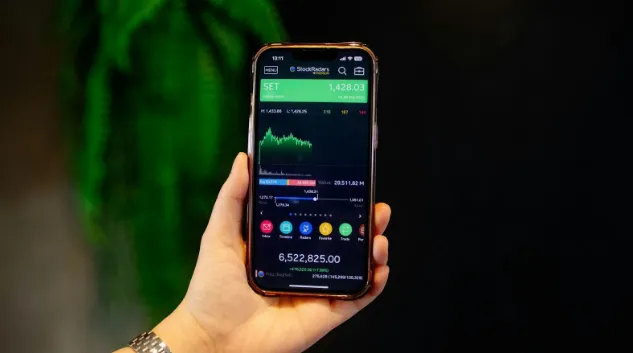
If you’ve got a side hustle going, maybe selling custom t-shirts, running a weekend food stand, or freelancing as a graphic designer, chances are, you’re already juggling enough. But here’s the thing: no matter how much time or energy your hustle demands, your money should be working just as hard as you are. That’s why more entrepreneurs are starting to treat personal finance like business strategy. Tools like VectorVest are helping everyday people take a more intentional approach to investing by removing the guesswork and giving clear, actionable insights.
But this isn’t just about stocks, charts, or picking the next big winner. It’s about a mindset shift, from short-term hustle to long-term wealth building. Even modest investments made early can lay the foundation for financial freedom later on.
The Side Hustle Mentality Meets Long-Term Planning
Let’s face it: if you’ve launched a side hustle, you already think like a problem-solver. You’re used to being scrappy, learning fast, and reinvesting in your growth. That same mindset applies to investing. Building a personal investment portfolio isn’t reserved for finance geeks or full-time traders. It’s for anyone who wants to make their money work in the background while they build something up front.
The best part? You don’t need thousands to get started. You just need a plan, a basic understanding of risk, and the willingness to start small but start now.
Why Start Investing Early?
Time is the secret ingredient in almost every success story. It’s not just about how much you invest, but how long it stays invested.
Consider this:
- If you invest $100 a month starting at age 25 with an average annual return of 7%, you’ll have over $250,000 by age 65.
- Wait until age 35 to start? That drops to around $120,000.
That’s compound interest at work, and it doesn’t care how big your income is. It rewards consistency and patience.
Investing early also makes room for mistakes. When you start small, there’s less pressure to get everything right. You can learn, adapt, and get comfortable with market ups and downs while the stakes are low.
What Side Hustlers Bring to the Investing Table
You might not realize it, but your experience as a hustler gives you a natural edge in the investment game:
- Risk Tolerance: You already took a leap to start your hustle. Investing, like entrepreneurship, involves calculated risks.
- Reinvestment Mentality: You know that profits aren’t for blowing, they’re for growing. Investing channels that same discipline.
- Long-Term Vision: If you’re building something, you’re already thinking long-term. That’s exactly how investing works.
- Adaptability: Markets shift, trends change. So do business landscapes. You’ve got the agility to pivot.
This blend of mindset and experience puts you ahead of the game, even if you haven’t bought a single stock yet.
Portfolio Building Basics for Beginners

Let’s simplify this. A portfolio is just a collection of your investments. That could include:
- Stocks
- Bonds
- ETFs (Exchange-Traded Funds)
- Real estate
- Even your retirement accounts
The goal is diversification. You don’t want to put all your eggs in one basket (unless that basket is ridiculously safe and comes with a money-back guarantee, which doesn’t exist). Instead, spread your investments across different types of assets so if one underperforms, the others help cushion the impact.
According to the U.S. Securities and Exchange Commission, diversification is one of the most effective ways to manage investment risk. It won’t guarantee gains, but it can help protect your overall portfolio from volatility.
How to Start Without Feeling Overwhelmed
You don’t need to dive into advanced trading strategies or stay glued to CNBC. Here’s a simple roadmap:
- Start with What You Know: If you use tech tools, consider investing in tech companies. Love food brands? Look at the market leaders. Familiarity can reduce fear.
- Automate It: Use automatic transfers to put money into your investment account. Out of sight, out of mind.
- Use Tools That Simplify: Platforms like VectorVest offer education, stock ratings, and even alerts to help you make informed choices, without getting lost in jargon.
- Stay Consistent: $25 a week might not seem like much, but over time it grows. Make investing a habit.
- Avoid the Hype: Investing isn’t about FOMO. You don’t need to jump on the latest crypto coin or hot stock tip. Stick to your strategy.
What Side Hustle Profits Can Do for Your Portfolio
Many side hustlers reinvest in gear, advertising, or product development. But even setting aside a small portion for investing can create a backup engine of wealth.
Imagine this:
- You earn $500 a month from your hustle.
- You invest just 20% ($100/month).
- Over 10 years at 7% return, that’s over $17,000.
Now imagine that happening in the background while you scale your business. One fuels the other.
Mistakes to Avoid as a First-Time Investor
Here are some of the biggest traps new investors fall into:
- Trying to Time the Market: Even the pros struggle with this. Stay consistent instead.
- Putting Everything in One Stock: It’s tempting if you think you’ve found “the next big thing,” but it’s risky.
- Panic Selling: Markets dip. It’s normal. Don’t let emotion drive your decisions.
- Overcomplicating It: You don’t need 15 different tools and a trading strategy spreadsheet. Simple often wins.
When to Level Up
As your side hustle grows, your finances likely get more complex. That’s when you might:
- Open a retirement account like a Roth IRA.
- Consult a financial advisor.
- Use advanced tools like model portfolios or technical analysis.
The beauty is, you don’t need to start there. But knowing it’s available when you’re ready can help you stay on track.
Your side hustle already reflects vision, grit, and long-term thinking. Investing takes those same qualities and applies them to your financial future. You don’t need a six-figure salary or a finance degree to build a solid portfolio. You just need a plan, a little consistency, and the right mindset.
Start small. Start today. And let your hustle fund your future.