

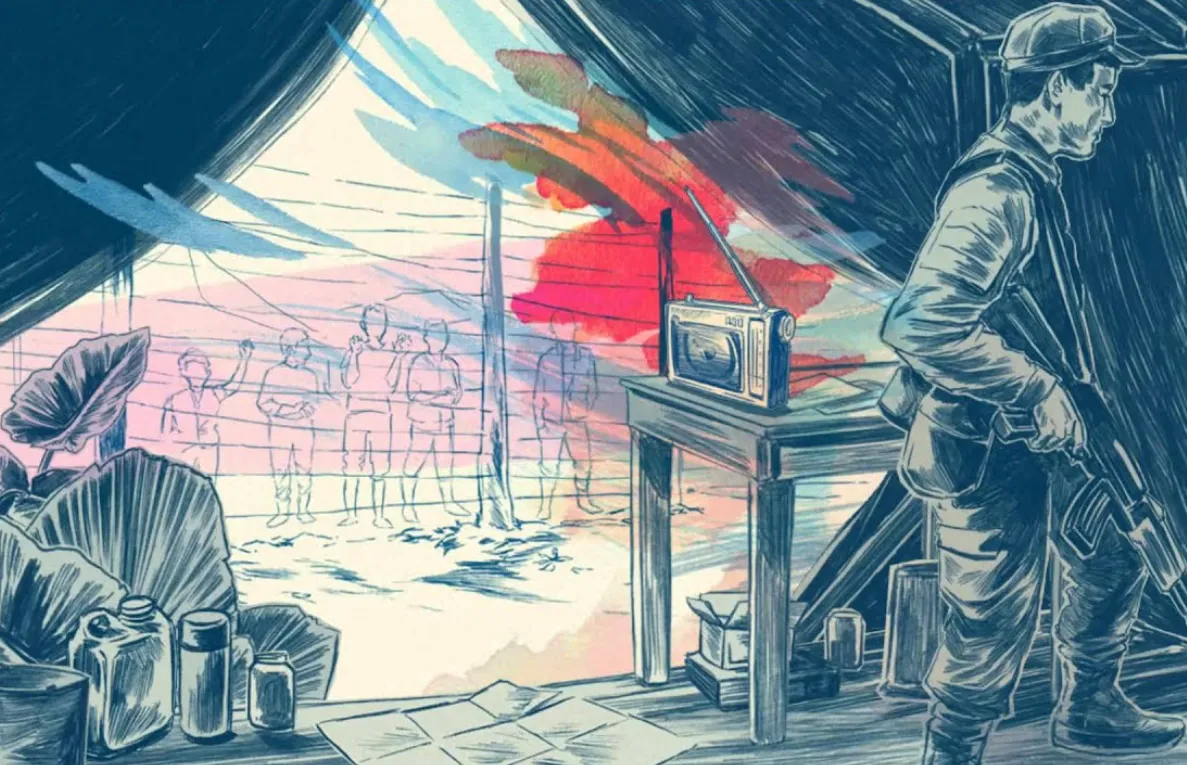
Communication is not only about sending messages; it is also about expression, creativity, and identity. Over time, many communication systems have crossed the boundary between function and art, and morse code is one of the most fascinating examples of this transformation. What began as a practical signaling method has gradually found its place in music, visual art, fashion, films, and modern digital culture. This article explores how Morse code has influenced creative expression and why it continues to inspire artists and creators around the world.
From Signals to Symbols
Originally, Morse code was designed for efficiency, not beauty. Its purpose was to transmit information quickly using simple signals. However, the very structure that made it efficient rhythm, repetition, contrast between short and long signals also made it naturally artistic.
Dots and dashes are visual symbols. Their spacing creates rhythm. Their repetition forms patterns. Over time, artists and thinkers began to see Morse code not just as a tool, but as a symbolic language capable of carrying emotion and meaning beyond words.
Morse Code as a Visual Art Form
Visual artists have long been fascinated by symbols, abstraction, and hidden meaning. Morse code fits perfectly into this world.
Artists use Morse code in:
- Paintings using dots and lines
- Sculptures made from repeated signal shapes
- Typography and graphic design
- Minimalist installations
Because Morse code looks abstract to those who do not understand it, it allows artists to hide messages inside artwork. Viewers may see beauty first, and meaning later.
Hidden Messages in Design
One unique aspect of Morse code in art is secrecy. Designers sometimes embed Morse code into:
- Posters
- Logos
- Architecture
- Public installations
These hidden messages might include names, dates, emotions, or political statements. Only those who understand Morse code can decode the message, creating a private connection between the creator and the viewer.
Morse Code in Music Composition
Music and Morse code share an important feature: rhythm. This connection has led many musicians to experiment with Morse code as a compositional tool.
In music, Morse code can be represented through:
- Short and long notes
- Beats and pauses
- Percussion patterns
- Electronic sound pulses
Some composers use Morse code to encode lyrics or messages directly into melodies, turning language into sound.
Famous Uses in Music
Several well-known musicians have used Morse code patterns in their work. Sometimes the rhythm spells out words. Other times, it creates a mood associated with urgency, mystery, or distance.
Listeners may not consciously recognize the Morse code, but they often feel its effect through tension, repetition, or emotional pacing.
Morse Code in Film and Television
Film and television often use Morse code as a storytelling device. It appears in scenes involving:
- Prison communication
- Wartime signaling
- Espionage and mystery
- Survival and rescue
The tapping of Morse code on walls or objects has become a powerful cinematic symbol of hope, intelligence, and resistance.
Symbolism in Storytelling
In storytelling, Morse code often represents:
- Isolation
- Ingenuity
- Human connection under pressure
- Silent communication
Because it requires patience and intelligence, characters who use Morse code are often portrayed as resourceful and determined.
Fashion and Wearable Expression
Fashion designers have also embraced Morse code as a form of expression. Clothing and accessories sometimes feature Morse code patterns stitched, printed, or engraved into fabric and materials.
Common uses include:
- Bracelets spelling names or messages
- Clothing with symbolic patterns
- Jewelry carries personal meanings
Because Morse code is subtle, it allows wearers to express identity or emotion without obvious text.
Personal Expression Through Morse Code Jewelry
Morse code jewelry has become especially popular because it allows people to carry private messages close to them. A necklace or bracelet may contain a name, word, or phrase that only the wearer understands.
This personal connection makes Morse code deeply meaningful as an artistic medium.
Morse Code in Tattoos
Tattoos are permanent forms of personal storytelling, and Morse code fits this purpose well. Many people choose Morse code tattoos to represent:
- Loved ones’ names
- Important dates
- Life mottos
- Memorial messages
Because Morse code tattoos appear abstract, they maintain privacy while holding deep emotional significance.
Digital Art and Morse Code
In the digital age, Morse code has entered new artistic spaces. Digital artists use Morse code in:
- Interactive installations
- Generative art
- Motion graphics
- Glitch art
The conversion of dots and dashes into light, sound, or motion aligns perfectly with digital creativity.
Morse Code in Interactive Experiences
Some modern art installations allow visitors to interact with Morse code. People can tap, press, or move to generate signals that transform into visuals or sounds.
This interaction turns communication into a shared creative experience rather than a one-way message.
Cultural Meaning of Morse Code
Culturally, Morse code represents human resilience and innovation. It reminds people of a time when communication required effort, skill, and patience.
In modern culture, it often symbolizes:
- Simplicity in a complex world
- Connection across distance
- The power of human ingenuity
These themes resonate strongly in art and creative expression.
Morse Code as a Metaphor
Writers and poets sometimes use Morse code metaphorically. It can represent:
- Fragmented communication
- Hidden emotions
- Messages sent but not received
- Silence between words
Its structure mirrors how people sometimes communicate emotionally—through pauses, signals, and indirect expression.
Influence on Modern Minimalism
Minimalism in art and design values simplicity, clarity, and essential elements. Morse code naturally fits this philosophy.
Dots and dashes reduce language to its core, making Morse code a minimalist form of expression long before minimalism became popular.
Educational and Cultural Preservation Through Art
Artists also use Morse code to preserve history. By incorporating it into modern creative works, they keep its legacy alive for new generations.
This blend of history and creativity helps ensure that Morse code is remembered not just as a technical tool but as a cultural artifact.
Why Morse Code Continues to Inspire Creativity
Morse code continues to inspire artists because:
- It is universal
- It is symbolic
- It is flexible across media
- It balances structure and freedom
Few systems allow such wide interpretation while maintaining clear meaning.
Modern Cultural Relevance
In a world dominated by instant messaging and visual overload, Morse code offers something different. It slows communication down and invites reflection.
This contrast makes it appealing to modern creators who seek depth, mystery, and intentionality in their work.
Blending Old Systems with New Media
One reason Morse code thrives in modern culture is its adaptability. It blends easily with:
- Digital screens
- Audio technology
- Wearable devices
- Virtual experiences
This adaptability ensures that Morse code remains relevant even as technology evolves.
The Emotional Power of Simplicity
At its core, Morse code is simple. That simplicity gives it emotional power. A few signals can carry urgency, love, hope, or warning.
Artists recognize this power and use it to create meaningful experiences with minimal elements.
Conclusion
Morse code has transcended its original purpose to become a powerful cultural and artistic symbol. From visual art and music to fashion, film, and digital media, it continues to inspire creative expression across the world. Its simplicity, rhythm, and symbolic depth make it uniquely suited for art that communicates beyond words.
In an age of constant noise, Morse code reminds us that even the smallest signals can carry profound meaning. Its presence in modern culture proves that communication systems are not only functional tools, but also timeless sources of creativity and human connection.