

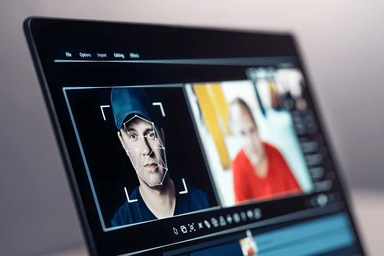
Artificial intelligence has revolutionized how we interact with digital media, and one of the most fascinating applications is ai video face swap. This technology allows users to seamlessly replace faces in images and videos using advanced AI algorithms, opening doors to creative, educational, and commercial possibilities. From social media memes to virtual try-ons in e-commerce, AI face swap is becoming increasingly popular. But understanding its mechanisms, applications, and ethical implications is crucial before diving into its use.
What Is AI Face Swap?
AI face swap refers to the process of digitally replacing one person’s face with another using artificial intelligence. Unlike traditional photo editing, which required meticulous manual work, AI automates the process with remarkable precision. Modern AI face swap systems rely on deep learning models, particularly Generative Adversarial Networks (GANs), to analyze facial features, expressions, and lighting, ensuring the swapped face looks realistic.
This technology is commonly used in entertainment, advertising, and even education. Popular tools provide easy-to-use interfaces where users can upload a source image and a target face, and the AI performs the transformation automatically. Notable examples include applications like SupaWork AI and other digital editing platforms.
How Does AI Face Swap Work?
AI face swap works through several sophisticated steps:
- Face Detection: The AI identifies and maps facial landmarks in both the source and target images.
- Feature Mapping: Critical facial features such as eyes, nose, mouth, and jawline are analyzed and mapped onto the target face.
- Face Alignment: The AI ensures the new face aligns with the angle, lighting, and expressions of the original image.
- Rendering: The final image or video is generated with a smooth, realistic overlay of the new face.
Behind the scenes, neural networks continuously improve the swap’s realism. GANs play a pivotal role by having a “generator” create the swapped face and a “discriminator” judge its authenticity. This iterative process ensures high-quality results that are increasingly difficult to distinguish from real images.
Challenges still exist, especially in videos with rapid movement or complex lighting, but modern AI algorithms are rapidly overcoming these limitations.
Applications of AI Face Swap
The versatility of AI face swap extends across multiple industries:
- Entertainment: Users create memes, movie edits, or social media content, injecting humor or creativity into digital media.
- Marketing and Advertising: Personalized campaigns feature customized models or influencer faces, enhancing engagement.
- Education and Training: Simulations in virtual environments allow students to step into different scenarios, such as historical reenactments or medical training exercises.
- Fashion and E-commerce: Shoppers can virtually try on clothing or accessories using their own face mapped onto models.
- Healthcare: Medical simulations can leverage realistic patient faces for training and scenario planning.
This wide range of applications shows the transformative potential of AI face swap technology when used responsibly.
Ethical Implications of AI Face Swap
While the technology is exciting, ethical concerns are paramount. The ability to manipulate faces raises questions about consent, privacy, and potential misuse. Deepfake videos, often created without the subject’s knowledge, can harm reputations, spread misinformation, or even perpetrate identity fraud.
Responsible creators must consider the impact of their content. Transparency and disclosure of AI-modified images help maintain trust in digital media. Additionally, adhering to privacy guidelines and obtaining consent from individuals whose faces are being swapped is crucial. Ethical AI development ensures that technological innovation does not come at the cost of personal rights.
Legal Aspects of AI Face Swap
The legal landscape around AI face swap is evolving. Laws regarding identity theft, defamation, and unauthorized use of likeness vary across jurisdictions. In some regions, creating deepfake content without consent may lead to legal consequences.
Content creators must navigate copyright and intellectual property issues as well. Using a celebrity’s image or copyrighted media for face swaps without permission can result in infringement claims. Keeping abreast of current legislation and understanding the limits of legal use is essential for anyone exploring AI face swap technology.
How to Use AI Face Swap Responsibly
Responsible use of AI face swap technology includes the following guidelines:
- Obtain explicit consent from individuals whose faces are used.
- Avoid creating content intended to deceive or harm.
- Clearly disclose that an image or video has been altered.
- Use AI face swap for creative, educational, or professional purposes where the ethical implications are well understood.
By following these best practices, users can enjoy the creative potential of AI face swap while minimizing risks.
FAQs About AI Face Swap
1. What is AI face swapping?
AI face swapping uses artificial intelligence to digitally replace a person’s face in photos or videos with another face, maintaining realistic features, lighting, and expressions.
2. Is face swapping legal?
Legality depends on location and purpose. Using AI face swap without consent for malicious or commercial purposes can lead to legal repercussions. Always ensure proper permissions.
3. How can I swap faces in a photo?
Several online tools, including SupaWork AI, provide simple interfaces. Upload the source and target faces, and the AI performs the swap automatically.
4. Are there any risks associated with AI face swapping?
Risks include privacy violations, identity misuse, and creating misleading content. Ethical guidelines and responsible usage mitigate these risks.
Conclusion
AI face swap technology continues to redefine how we create and interact with digital media. Its applications span entertainment, marketing, education, fashion, and healthcare, offering unprecedented creative freedom. However, ethical and legal considerations remain critical. When used responsibly, AI face swap can unlock new opportunities for personalization and innovation in both images and videos.
For those looking to explore this technology further, the ai face swap feature allows users to perform realistic face swaps in images, enhancing creativity and digital storytelling.