

A running toilet might not seem like a big deal at first. After all, it’s just a little water, right? Unfortunately, that steady flow of water can waste hundreds of gallons a day, leading to higher utility bills and unnecessary stress on your plumbing system. The sound of constant running water can also be incredibly frustrating.
If you’re dealing with this problem, don’t worry, it’s a common issue that can often be fixed with a few simple steps. In this guide, we’ll walk through why toilets keep running, how you can fix it yourself, and when it’s time to call a professional for plumbing Idaho Falls to make sure your toilet is working properly again.
1. Why Your Toilet Keeps Running
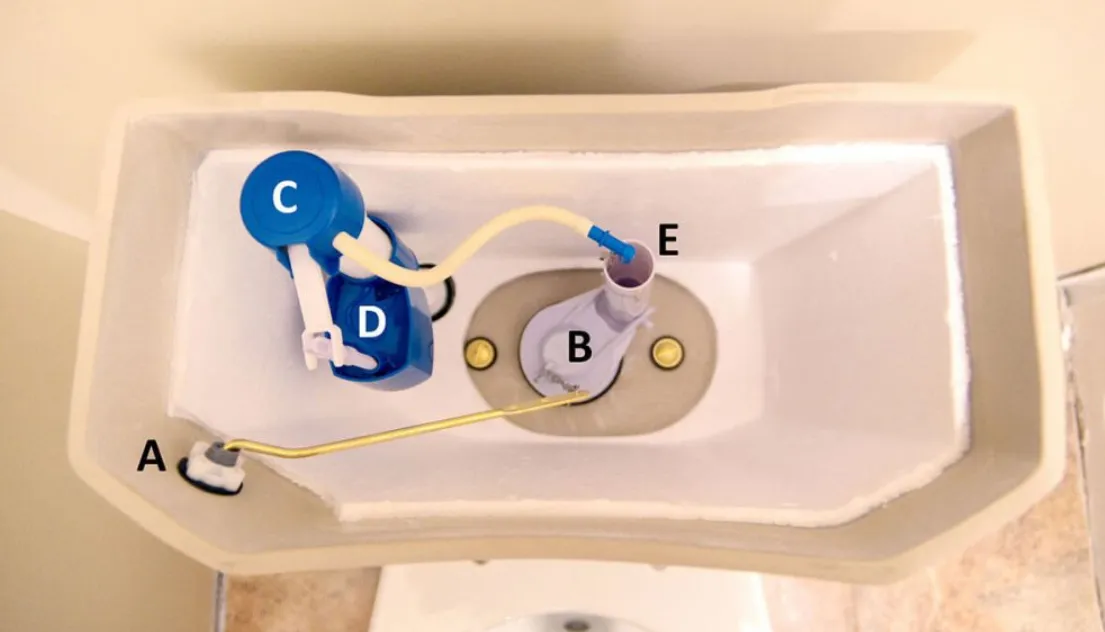
Before you can fix a running toilet, it helps to understand what’s causing it. Inside the toilet tank, several parts work together to control how much water enters and exits. If any of these components stop functioning properly, the toilet can keep refilling long after you’ve flushed.
Here are some of the most common causes:
- A faulty flapper: The flapper is a rubber seal at the bottom of the tank that lifts up when you flush, letting water flow into the bowl. If it doesn’t close completely, water will continuously leak into the bowl.
- An incorrect water level: If the water level in the tank is set too high, it can spill into the overflow tube, keeping the water running.
- A broken fill valve: The fill valve controls how much water enters the tank. When it malfunctions, the toilet may not know when to stop filling.
- Worn-out parts: Over time, rubber seals, gaskets, and valves wear out from regular use and exposure to minerals in the water, which is common in areas with hard water like Idaho Falls.
Understanding which part is to blame can help you decide whether it’s a quick fix or a problem that needs professional attention.
2. Step-by-Step Guide to Fixing a Running Toilet
If you’re comfortable doing simple home repairs, you can try fixing the problem yourself. Follow these steps carefully:
Step 1: Turn off the water supply.
Look behind your toilet for the small valve on the wall or floor. Turn it clockwise to stop the flow of water.
Step 2: Remove the tank lid.
Carefully take off the lid and set it aside in a safe spot. Inside the tank, you’ll see the flapper, fill valve, float, and overflow tube.
Step 3: Check the flapper.
Press down on the flapper to see if the running water stops. If it does, the flapper isn’t sealing properly. It may be warped, dirty, or worn out. Try cleaning it and the area around it. If that doesn’t work, replacing the flapper is an easy and inexpensive fix.
Step 4: Adjust the float.
If the water level is too high, it can cause overflow. The float determines when the tank stops filling. Adjust it slightly lower so the water stops about an inch below the top of the overflow tube.
Step 5: Inspect the fill valve.
If adjusting the float doesn’t solve the problem, the fill valve may need cleaning or replacement. Sediment buildup from hard water can clog the valve, especially in areas like Idaho Falls. Replacing a fill valve is simple with the right tools and instructions.
Step 6: Turn the water back on and test.
Once you’ve made your adjustments, turn the water supply back on and let the tank fill. Flush the toilet a few times to make sure it’s working correctly.
3. When to Call a Professional
If you’ve tried these fixes and your toilet is still running, it might be time to call a professional who specializes in plumbing Idaho Falls. Some issues, like damaged internal seals or corroded parts, require more advanced tools and experience to repair correctly.
Here are a few signs that it’s best to call in an expert:
- You’ve replaced parts, but the problem keeps coming back.
- Water continues running even after you’ve turned off the valve.
- There’s water pooling around the base of the toilet.
- You notice signs of corrosion or mineral buildup that you can’t remove.
A licensed plumber can quickly diagnose the issue, replace the necessary components, and make sure your toilet operates efficiently.
4. Prevent Future Toilet Problems
Once your toilet is fixed, a little maintenance can help you avoid another running toilet in the future. Try these tips:
- Check the flapper every six months for wear or mineral buildup.
- Avoid using harsh chemical cleaners in the tank, as they can damage rubber parts.
- If you have hard water, consider installing a water softener to reduce mineral buildup.
- Schedule regular plumbing inspections to catch small issues before they become major problems.
Taking care of your toilet not only prevents wasted water but also extends the life of your plumbing system.
5. The Local Advantage
When it comes to plumbing issues, local expertise matters. Professionals who handle plumbing Idaho Falls understand the area’s hard water conditions, seasonal temperature changes, and common plumbing challenges that can affect toilets and other fixtures. Choosing a local plumber means getting fast, reliable service from someone who knows exactly how to solve your problem the right way.