

Key Takeaways:
- Water confidence in early childhood enhances physical, cognitive, and social development.
- Engaging in water play fosters sensory skills and emotional well-being.
- Early exposure to water activities promotes lifelong safety and fitness habits.
Table of Contents:
- Introduction
- Physical Development
- Cognitive Growth
- Social and Emotional Benefits
- Building Water Confidence
- Safety and Lifelong Skills
- Parental Involvement
- Conclusion
Introduction
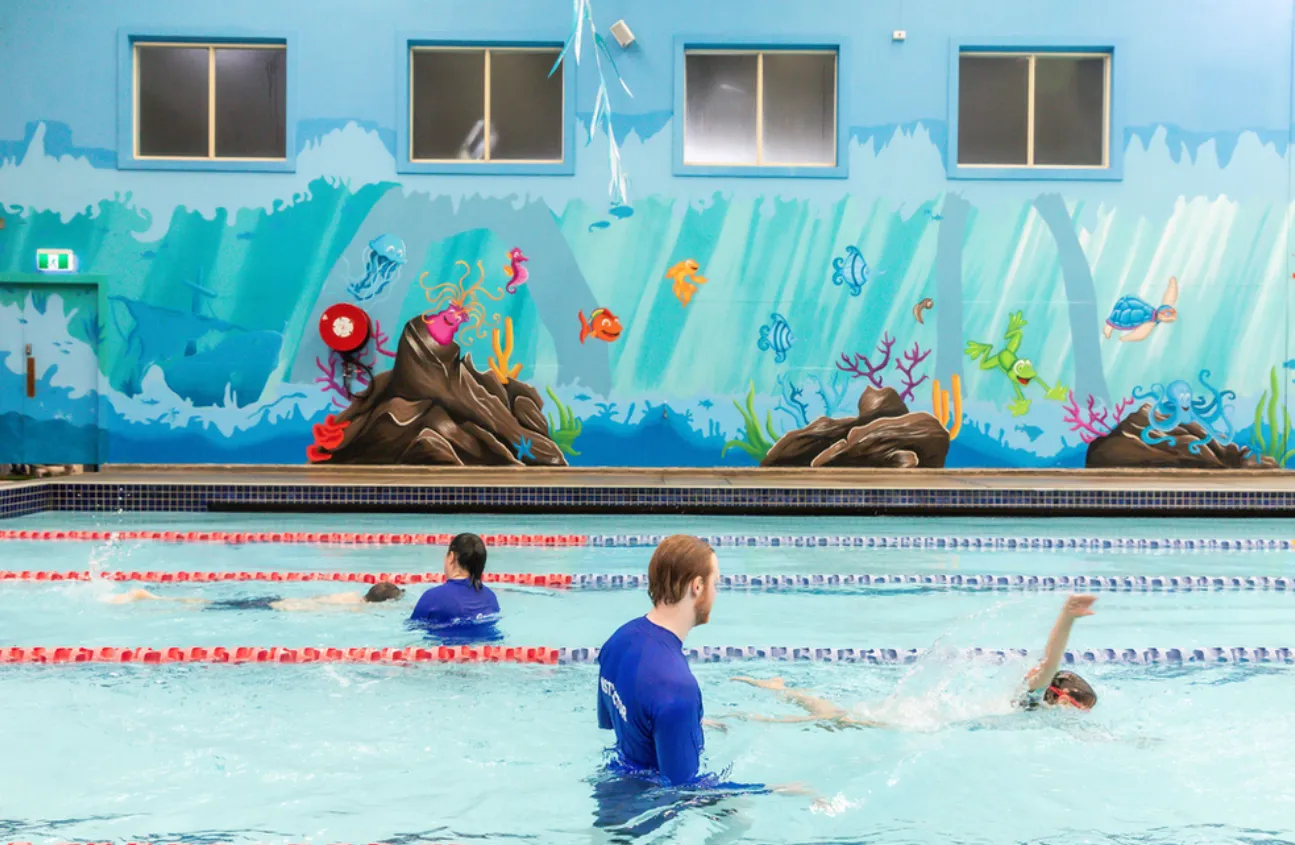
Water is an integral part of life, and introducing young children to aquatic environments early on can have profound impacts on their development. The sense of accomplishment that comes with mastering new skills in the water extends far beyond the pool, influencing children’s growth in numerous ways. Attending an infant swim school can lay the foundation for these developmental advantages, offering children and their families a safe, supportive atmosphere in which water confidence can flourish.
Early experiences with water stimulate both mind and body. Through water activities—whether at home or at a community pool—children expand their skills, sense of independence, and resiliency. With both guided instruction and playful exploration, water environments become incredible classrooms for life’s most fundamental lessons.
Research shows that positive early experiences in aquatic settings build physical skills and reduce the potential for fear, ultimately setting the stage for a lifelong relationship with water. These first interactions represent more than just play—they’re a vital part of a child’s holistic growth.
Swimming and water play can be a valuable part of a child’s daily routine, provided children are supported and guided by attentive adults. Programs tailored to young ages, like those at specialized swim schools, ensure structured skill-building and a safe introduction to water.
Physical growth and healthy development are among the most visible benefits of early water confidence. The properties of water create resistance that is gentle on young muscles and joints, making water environments especially suitable for developing bodies. Movements such as kicking, splashing, and reaching help improve coordination and strengthen gross and fine motor abilities.
Building Strength and Flexibility
Water provides a unique form of resistance training, allowing children to build and tone muscles without the strain experienced with land-based activities. Swimming and playful movement in water also encourage core strength, posture, and cardiovascular fitness, laying the foundations for an active, healthy lifestyle.
Encouraging Body Awareness
As children navigate water activities, they develop heightened awareness of their body and movement in space. This awareness is crucial not only for aquatic skills but also for all other forms of physical play and learning.
More insights on physical milestones in early childhood can be found at the CDC’s developmental milestones page.
Cognitive Growth
Early exposure to water activities supports robust cognitive development. Water play naturally stimulates curiosity, serves as a platform for problem-solving, and introduces children to simple scientific concepts in a tangible way.
Sensory Stimulation and Discovery
Water play ignites children’s senses—sight, sound and touch—helping develop sensory integration, memory, and attention span. Through exploration, children discover new textures, temperatures, and movements, supporting brain growth and learning readiness.
Learning through Play
Activities like floating objects and pouring water build understanding of cause and effect, buoyancy, volume, and gravity, all while sparking joy. Structured aquatic games can also support memory and pattern recognition, important precursors to academic success. For deeper reading, see the benefits of water play for children at Verywell Family.
Social and Emotional Benefits
Group water activities provide a nurturing environment for building social connections and emotional resilience. Children learn cooperation, communication, and empathy as they participate in shared activities, such as passing toys, playing with peers, or learning to swim together.
Building Confidence and Trust
As children master aquatic skills and overcome initial apprehensions, their self-esteem blossoms. Success in the water teaches perseverance, patience, and healthy risk-taking within safe boundaries. The Swim Starter program embodies these values, offering young learners a structured yet encouraging environment to gain confidence and independence in the pool. Supportive group settings foster friendships and a sense of belonging, essential components of emotional health.
Stress Relief and Self-Regulation
The soothing qualities of water can have a calming effect, helping children manage anxiety and improve mood regulation. Water play is often used therapeutically for children with sensory needs, providing comfort and an outlet for emotional expression.
Building Water Confidence
Water confidence is built progressively through exposure, positive reinforcement, and gradual skill acquisition. Parents and caregivers are the primary supporters in instilling water confidence, making their involvement crucial from the start.
- Lead by example: Children who see their caregivers enjoy water activities are more likely to engage without fear.
- Integrate water play into routine: Simple activities like pouring, stirring, or playful splashing during bath time help familiarize children with water.
- Emphasize fun: Turning water introduction into a game makes learning natural and enjoyable.
By laying a strong foundation, children will gradually view the water as a place of comfort and achievement, ready to take on more focused skills such as swimming and safety awareness.
Safety and Lifelong Skills
Acquiring water confidence early teaches crucial safety principles, from understanding boundaries to following pool rules. Children who feel comfortable in water are more receptive to learning skills that could prevent accidents.
Lifelong Enjoyment and Health
Once comfortable, children are more likely to stay engaged with aquatic activities throughout life, supporting physical fitness, heart health, and coordination. Instilling these habits early encourages a positive, healthy relationship with activity and safety.
For comprehensive guidance on swimming safety and lifelong benefits, see resources from the American Red Cross.
Parental Involvement
Parents and caregivers are the bedrock of a child’s water confidence journey. Their involvement—directly participating in water activities, modeling safe and joyful interaction, and fostering encouragement—ensures children feel supported as they explore and learn. Progress is accelerated in environments where children feel secure, making parent-child bonding during water play both enjoyable and meaningful.
Guided Instruction
Enrolling children in lessons with trained instructors can provide both expert guidance and reassurance for parents. Structured swimming lesson programs designed for infants and young children focus on step-by-step progress, water safety, and fun, ensuring all foundational elements are covered.
Conclusion
Water confidence in early childhood supports a lifetime of growth, resilience, and joy. The combined physical, cognitive, and emotional benefits reinforce the profound impact of regular and positive water experiences. By nurturing these skills early—and with the active participation of informed, engaged parents—children develop competency, safety awareness, and a lasting love for water-based activities.