

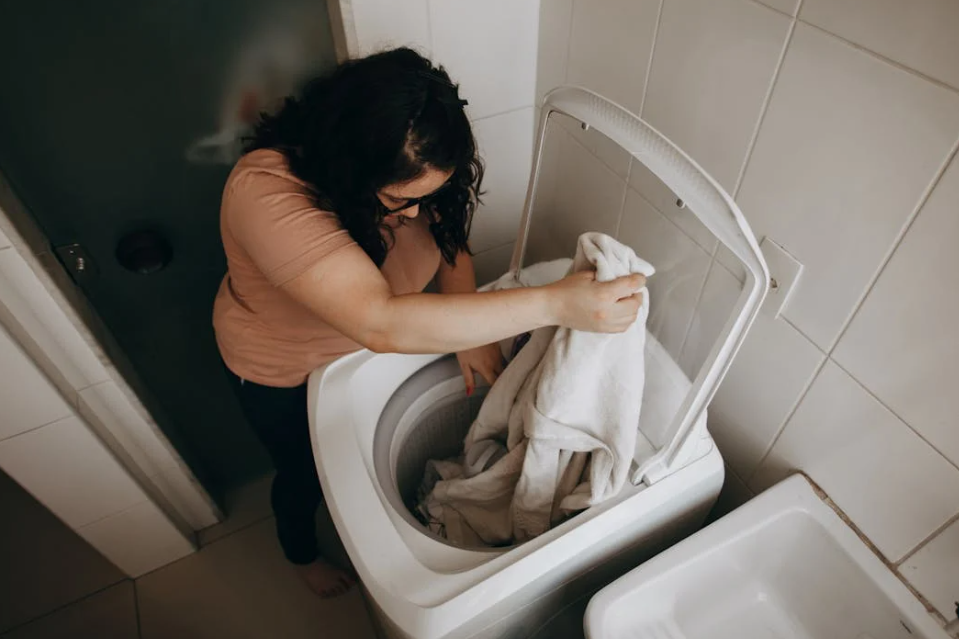
A top-load washing machine is one where laundry is loaded from the top rather than through a front door. This simple design remains attractive for many because it makes loading and unloading easier, and often more ergonomic. For people who prefer to stand while doing laundry rather than bending down, a top loader offers obvious convenience.
Top loaders traditionally use a vertical drum and an agitator or impeller that moves clothes through a pool of water. This tends to make wash cycles faster compared with many front‑load machines. This speed is helpful if you need frequent washes, such as in a small household or when laundry piles up quickly.
Because of their straightforward design and simpler mechanics compared with many front‑load machines, top-load washers are generally more affordable. This factor alone often makes them a sensible first choice, especially if you are budgeting carefully. For a wide selection of models and competitive prices, you can conveniently buy top load washing machines online.
What to Consider When Buying a Top-Load Washer
When you shop for a top-load washing machine, several key factors will affect how well it will serve you. First is the load capacity. If you have a large family, wash bulky items like blankets or heavy clothing, or want fewer frequent loads, then a higher capacity model is preferable.
Another important consideration is wash performance vs fabric care. Traditional top‑load washers with agitators tend to use more water, and the vigorous agitation makes them effective for heavily soiled clothes or everyday laundry. However, this can be harsher on delicate fabrics. Some newer models use impellers, which are gentler on clothes while still providing effective cleaning.
Cycle time and convenience also matter. If you prefer quick washes or need to do laundry often, a top-load washer with shorter cycles can save time. The ability to add or remove clothes mid‑cycle is another benefit not always available in front‑load models.
Water and energy usage are a trade-off. Top-load washers generally consume more water because the tub must fill sufficiently for proper agitation. This can translate into higher utility bills, especially in regions where water or energy is costly.
Finally, consider the build quality and maintenance. A reliable machine should have sturdy components, a good drum, and a filtration or lint-trap system. Simpler design often means easier repair and lower maintenance requirements, which is why people who want long service life with minimal fuss favour top loaders.
Popular Top-Load Washing Machines
Several top-load models are worth considering depending on your household’s needs. High-capacity machines, such as those with 11 kilograms or more, are ideal for large families or for washing bulky items like bedding. Mid-range models of around 7 to 8 kilograms are suitable for small to medium households, offering a balance between capacity and energy cost. Budget-friendly machines are compact and practical for singles or small households, providing reliable performance without high cost.
Modern top-load machines often feature smart inverter motors for energy efficiency and quieter operation. Many also come with wide nozzle coverage, multiple power modes, and easy-to-empty dustbins for convenient use. While some models offer advanced features like automatic detergent dispensers or app control, even basic models can deliver solid performance and durability.
Who Should Choose a Top-Load Washing Machine
Top-load washing machines are often best suited to households where convenience, speed, and ease of use matter more than maximum water or energy efficiency. They are ideal for medium to large families, those who wash clothes frequently, or anyone who needs to handle bulky loads such as bedding, towels, or heavy garments.
They are also beneficial for those who prefer simpler maintenance. Because of their mechanical simplicity compared with complex front-load models, they tend to be easier to repair and maintain, resulting in fewer long-term issues.
Top loaders are also preferable for people who want shorter wash cycles and the flexibility to add clothes mid-cycle, as these features are not always available in front-load machines.
Trade-Offs and What to Watch Out For
The main trade-off with a top-load washer is efficiency. Since they often use more water per wash, operating costs, particularly water bills, can be higher. Fabric care is another consideration. Vigorous agitation in agitator-type top loaders can be tougher on delicate garments. Choosing a top loader with a gentler impeller design can help minimise wear on clothes.
Drum capacity and space should also be considered. Some top loaders have smaller drums compared with front-loaders, especially when an agitator reduces usable space. If you need to wash large or bulky items, make sure the machine’s capacity actually meets your needs.

FAQs
Are top-load washing machines more affordable than front-load washers?
Yes. Top-load washers generally have lower upfront costs because of a simpler design and mechanics.
Do top-load washers clean clothes as well as front-loaders?
They can, especially for everyday laundry and heavily soiled items. Front-load washers tend to be more water-efficient and gentler on clothes, but top-loaders still provide effective cleaning.
Is maintenance easier with top-load machines?
Generally, yes. With no rubber door seals like those in front-load machines, there is less risk of mould or odour build-up. Maintenance tends to be simpler.
What type of household benefits most from a top-load washer?
Families or households that do frequent laundry, wash larger loads, or want quick cycles and ease of use will find top loaders a practical choice.