

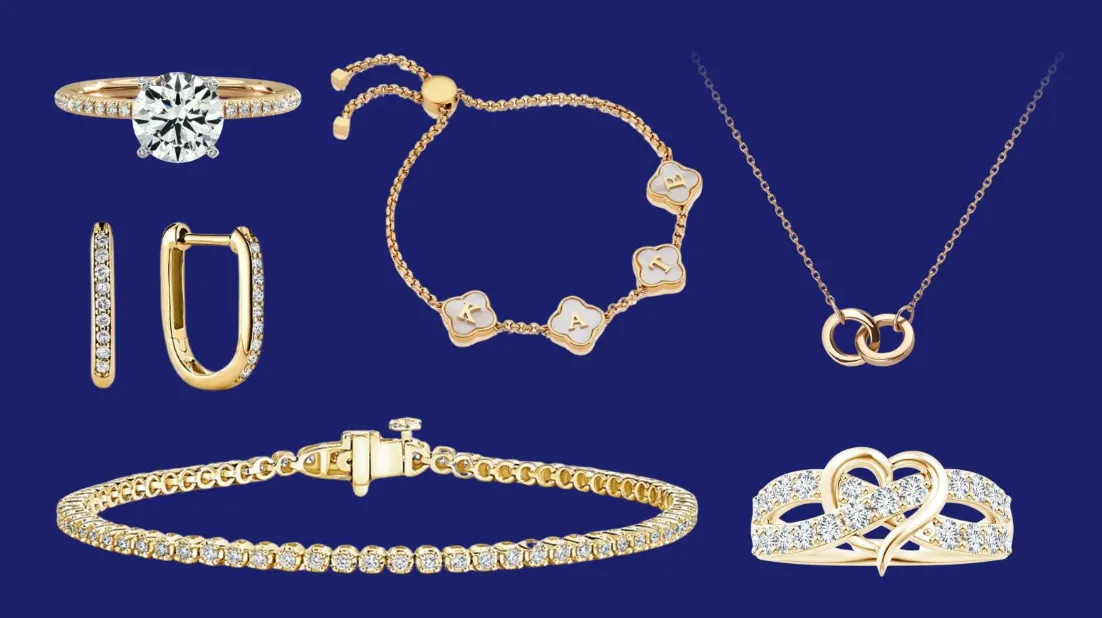
Jewelry purchases represent significant investments, whether you’re buying an engagement ring, a special gift, or adding to your personal collection. Yet many consumers overpay simply because they don’t know what to look for. With prices continuing to fluctuate in 2025, understanding how to evaluate quality and spot fair pricing has never been more important.
Understand the Four C’s (And Why They Matter)
When buying diamonds, the four C’s, cut, color, clarity, and carat, determine both quality and price. However, many buyers focus too heavily on carat weight while ignoring cut quality, which actually has the biggest impact on a diamond’s brilliance and sparkle.
A well-cut one-carat diamond will often appear more impressive than a poorly cut 1.5-carat stone, yet cost significantly less. Before making any diamond purchase, ask for the stone’s grading certificate from GIA or AGS, and don’t be swayed by size alone.
Know Your Metals and Their True Value
Gold jewelry pricing should reflect current market rates, but markup percentages vary wildly between retailers. In 2025, 14K gold remains the most popular choice for its durability and affordability, while 18K offers richer color at a higher price point.
Always check the current spot price of gold before shopping, and be wary of retailers charging excessive premiums above material costs. According to jewelry education experts at Learning Jewelry experts, consumers should expect reasonable markup for craftsmanship, but excessively high prices often indicate inflated retail margins rather than superior quality.
Shop During Strategic Times
Timing matters when buying jewelry. The best deals typically appear during these periods:
- January and February: Post-holiday clearance sales when retailers need to move inventory
- Black Friday and Cyber Monday: Traditional discount periods with genuine savings
- July and August: Summer slowdowns when jewelers offer promotions to boost sales
Avoid shopping during peak engagement season (November through Valentine’s Day) when demand drives prices higher and negotiation becomes difficult.
Compare Prices Across Multiple Retailers
Never buy from the first store you visit. The same piece can vary by 30-50% between retailers, especially for branded jewelry where you’re paying for the name rather than intrinsic value.
Check both brick-and-mortar stores and reputable online retailers like Blue Nile, James Allen, or Brilliant Earth. Online vendors often offer better prices due to lower overhead costs, though you’ll miss the in-person viewing experience.
Request Detailed Documentation
Legitimate jewelers provide complete documentation for significant purchases. This should include:
- Certification from recognized gemological laboratories (GIA, AGS, IGI)
- Detailed receipts listing metal purity, gemstone specifications, and weights
- Appraisals for insurance purposes
- Return policies and warranties
If a seller resists providing documentation or pressure you to “buy now before the price increases,” walk away. These are red flags indicating potential quality issues or inflated pricing.
Consider Alternative Gemstones
Diamonds dominate the jewelry market, but alternative gemstones offer beauty and durability at fraction of the cost. Moissanite provides diamond-like brilliance for 10% of the price, while sapphires, rubies, and emeralds deliver stunning color and excellent hardness for everyday wear.
Lab-grown diamonds have also become mainstream in 2025, offering identical chemical composition to natural diamonds at 40-60% lower prices. They’re environmentally friendly and conflict-free, making them appealing to conscious consumers.
Negotiate (Yes, You Can)
Many consumers don’t realize jewelry prices are negotiable, especially at independent jewelers. While chain stores offer less flexibility, local jewelers often have room to reduce prices by 10-20%, particularly for cash purchases or when buying multiple items.
Don’t be aggressive, but do ask: “Is this your best price?” or “What can you do for me on this piece?” The worst they can say is no.
Watch for Hidden Costs
The sticker price rarely represents your final cost. Factor in these additional expenses:
- Sizing and customization: Often $50-200 depending on complexity
- Insurance: Typically 1-2% of the item’s value annually
- Maintenance: Professional cleaning and inspection costs
- Certification fees: Some retailers charge separately for grading reports
Get the complete cost breakdown in writing before committing to any purchase.
Verify Return Policies Before Buying
Life happens, and sometimes jewelry needs to be returned. Before purchasing, understand the return window, restocking fees, and any conditions that void returns.
Reputable jewelers typically offer 30-day return policies with full refunds, though custom pieces may have different terms. If a store offers “all sales final” on standard items, consider shopping elsewhere.
Frequently Asked Questions
How much should I expect to pay above the actual gold or diamond value?
Reasonable markup typically ranges from 2x to 3x the material cost for standard pieces, covering craftsmanship, overhead, and profit.
Is it safe to buy jewelry online without seeing it in person?
Yes, when buying from reputable online retailers with strong return policies and proper certifications. Look for vendors offering high-resolution photos, 360-degree videos, and at least 30-day free returns.
How can I tell if a jewelry appraisal is inflated?
Compare the appraisal value to actual retail prices from multiple jewelers for similar pieces. Appraisals are often 50-100% higher than what you’d actually pay, which helps with insurance coverage but doesn’t reflect true replacement cost.
Are lab-grown diamonds really as good as natural diamonds?
Lab-grown diamonds are chemically, physically, and optically identical to natural diamonds. They’re not “fake” they’re real diamonds created in controlled environments rather than mined from the earth.
When is it worth paying more for a brand name like Tiffany or Cartier?
Brand-name jewelry makes sense when the design is truly unique, you value the prestige and heritage, or you’re buying as a long-term investment piece with strong resale value.
Trust Your Instincts
If something feels wrong, whether it’s high-pressure sales tactics, reluctance to show documentation, or prices that seem too good to be true, trust your gut. The jewelry industry has reputable sellers who stand behind their products, and you deserve to work with professionals who respect your investment.
Taking time to research, compare, and ask questions will ensure you get beautiful jewelry at fair prices. In 2025’s competitive market, informed buyers have more power than ever to find quality pieces without overpaying.