

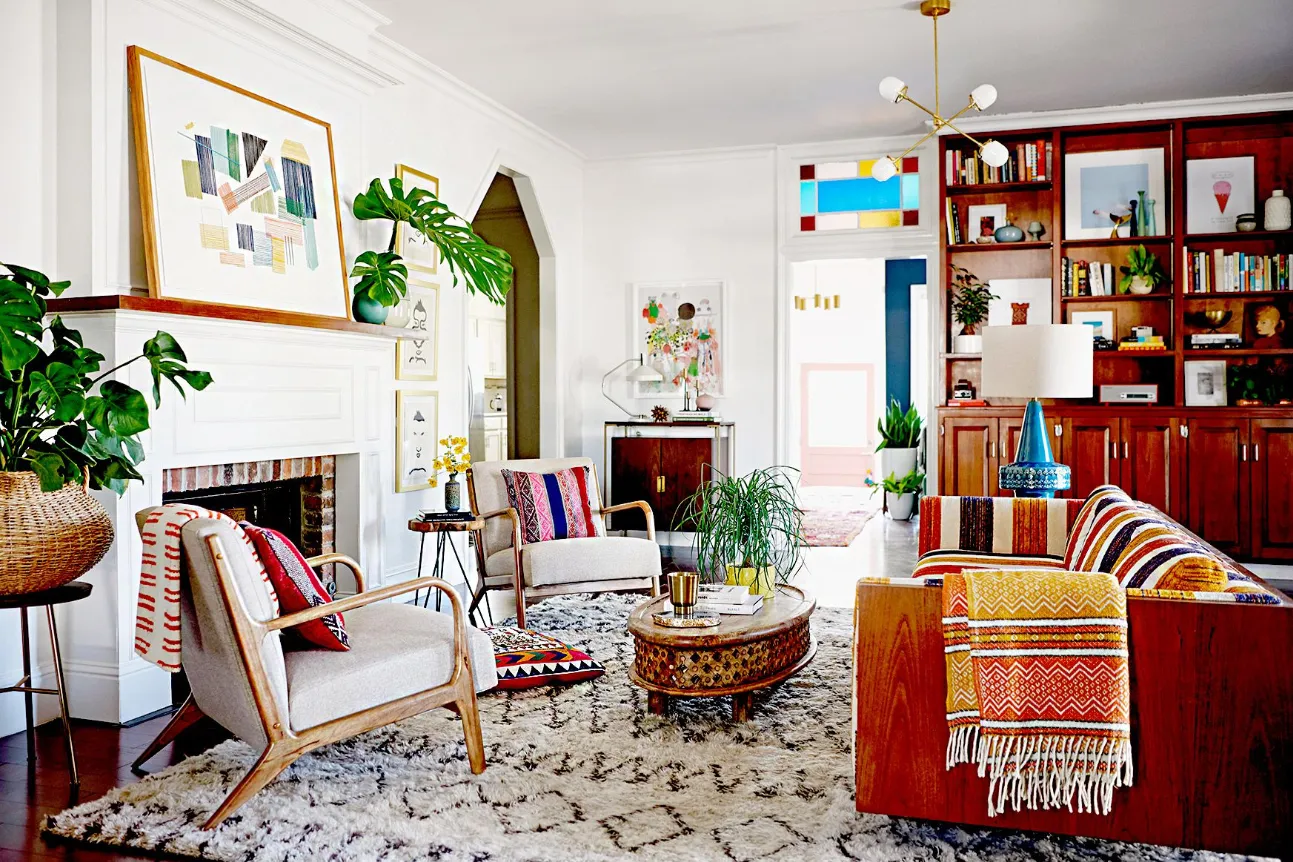
Home design is often misunderstood as a purely visual pursuit, a matter of colors, finishes, and furniture choices. While aesthetics certainly play a role, the most impactful design decisions are rarely the most obvious ones. Instead, they shape how spaces feel, how they function, and how people move through them every single day.
A well-designed home doesn’t just look appealing; it quietly supports daily routines. It reduces friction, encourages comfort, and adapts to the rhythms of real life. This is why many homeowners begin exploring resources that offer home design ideas and inspiration, not to copy trends, but to better understand how thoughtful design choices influence everyday living.
Design begins with understanding lifestyle
Every household uses space differently. A family with young children has very different needs than a couple working from home or someone who frequently entertains guests. Yet many homes are built using generic layouts that don’t fully account for these differences.
Thoughtful design starts by examining how spaces are actually used. Where do people naturally gather? Which rooms feel cramped or underutilized? Where does clutter tend to accumulate? These questions reveal far more about design needs than surface preferences ever could.
When design decisions align with lifestyle, the home begins to feel intuitive rather than restrictive. Spaces flow naturally, storage feels sufficient, and daily routines become easier rather than forced.
Flow and layout influence comfort more than size
One of the most common misconceptions about home design is that comfort depends on square footage. In reality, layout often matters far more than size. Poorly planned spaces can feel uncomfortable regardless of how large they are, while well-designed smaller homes can feel open and inviting.
Flow determines how people move through a home. Narrow hallways, awkward transitions, or disconnected rooms can disrupt daily life in subtle but persistent ways. Improving flow doesn’t always require major renovations, sometimes it involves rethinking door placements, opening sightlines, or adjusting furniture layouts.
When rooms connect logically and movement feels natural, the entire home feels calmer and more functional.
The role of natural light in emotional well-being
Light has a powerful effect on mood and perception. Homes that make good use of natural light often feel more spacious, more comfortable, and more inviting. Conversely, poorly lit spaces can feel closed off or draining, even when decorated beautifully.
Thoughtful design considers how sunlight moves through the home throughout the day. Window placement, room orientation, and reflective surfaces all influence how light is distributed. Even small changes such as lighter wall colors or repositioning mirrors can dramatically improve brightness.
Artificial lighting plays an equally important role. Layered lighting strategies that combine ambient, task, and accent lighting allow spaces to adapt to different activities and times of day. The result is a home that feels balanced rather than harsh or dim.
Storage as a foundation for calm living
Clutter is rarely caused by too many belongings, it’s more often the result of insufficient or poorly planned storage. When storage solutions are inadequate, everyday items end up on countertops, tables, and floors, making even clean homes feel chaotic.
Good design integrates storage seamlessly. Built-in shelving, thoughtfully designed closets, and multifunctional furniture help maintain order without sacrificing aesthetics. When storage is planned intentionally, organization becomes effortless rather than a constant struggle.
Homes that support organization tend to feel calmer and more spacious, even when busy schedules and full households are part of daily life.
Materials that support real-world use
Choosing materials is one of the most visible aspects of design, but durability and performance matter just as much as appearance. Floors in high-traffic areas, finishes in kitchens and bathrooms, and surfaces exposed to sunlight all need to withstand daily wear.
Design that prioritizes long-term performance reduces maintenance and extends the life of the home. Materials that age well often look better over time, developing character rather than showing damage.
Balancing beauty with practicality ensures that the home remains comfortable and attractive years after initial design decisions are made.
Personal style without visual overload
Personalization is essential for making a house feel like a home, but too much visual stimulation can quickly become overwhelming. Thoughtful design finds balance, allowing personality to shine without creating clutter or visual noise.
This often means choosing a cohesive palette and layering in personal elements through artwork, textiles, or statement pieces. Instead of filling every surface, design focuses attention on a few meaningful focal points.
The result is a space that feels personal, curated, and calm rather than busy or chaotic.
Flexibility for changing needs
Homes rarely remain static. Families grow, work habits change, and priorities evolve. Design that doesn’t account for flexibility can feel outdated quickly, even if it looks modern.
Incorporating adaptable spaces helps future-proof the home. Rooms that serve multiple purposes, modular storage, and adjustable lighting allow spaces to shift as needs change. A guest room may later become an office. A playroom may transform into a study or media room.
Design that embraces flexibility reduces the need for frequent renovations and supports long-term comfort.
Outdoor spaces as extensions of the home
Design doesn’t stop at the front door. Outdoor spaces, patios, gardens, balconies, and yards increasingly function as extensions of interior living areas. Thoughtfully designed outdoor spaces enhance daily life, offering areas to relax, entertain, or simply enjoy fresh air.
Successful outdoor design considers flow between indoor and outdoor areas, lighting for evening use, and materials that withstand weather while remaining comfortable. When treated as living spaces rather than afterthoughts, outdoor areas become some of the most valued parts of a home.
Design as an emotional experience
Good design affects more than physical comfort, it influences emotional well-being. A home that feels balanced, organized, and supportive creates a sense of ease that carries into daily life.
Stress is often reduced when spaces function well. Movement feels easier. Tasks feel less draining. The home becomes a place of restoration rather than frustration.
This emotional impact is one of the least discussed yet most powerful aspects of thoughtful design.
Learning from ideas rather than copying trends
Trends come and go, but strong design principles endure. Exploring design ideas is most effective when approached as inspiration rather than instruction. Understanding why certain layouts work or why certain materials feel comfortable allows homeowners to make informed decisions suited to their own spaces.
Platforms that showcase diverse approaches help homeowners refine their preferences and avoid impulsive choices. Instead of copying, they adapt ideas to fit their needs, resulting in homes that feel intentional rather than trendy.
A long-term view of home design
Design decisions compound over time. Small choices made thoughtfully add up to a home that feels cohesive, functional, and comfortable year after year. Poor decisions, on the other hand, tend to reveal themselves slowly through inconvenience or dissatisfaction.
Approaching design holistically, considering flow, light, storage, materials, and flexibility together, creates spaces that remain enjoyable long after the initial excitement fades.
Thoughtful home design isn’t about perfection or luxury. It’s about creating environments that support real life spaces that adapt, comfort, and inspire without demanding constant attention.
By focusing on how design choices influence daily routines, emotional well-being, and long-term usability, homeowners can create living spaces that feel intuitive and enduring. When design supports life rather than distracting from it, a house becomes more than a structure, it becomes a place where people truly feel at home.