

Introduction
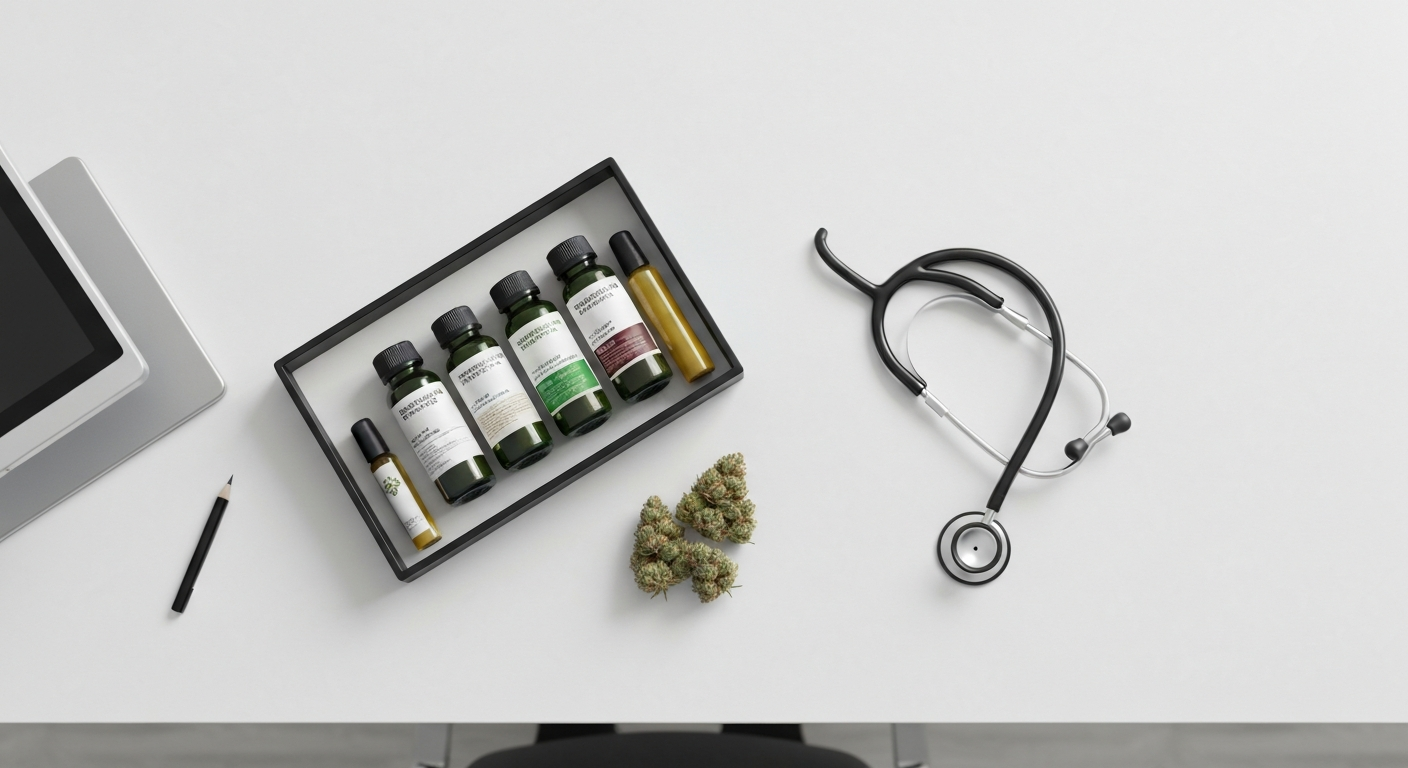
For millions of people living with persistent pain, finding effective relief can feel like an endless journey. As traditional pain management methods don’t work for everyone, patients and doctors are increasingly looking toward alternatives. One of the most talked-about options is prescription cannabis. This emerging field of pain medicine is changing conversations around healthcare, offering a new potential pathway for those seeking to improve their quality of life. But is medicinal cannabis truly the future of pain management?
Understanding Prescription Cannabis in Australia
Prescription cannabis, or medicinal cannabis, refers to cannabis products prescribed by a doctor to treat medical conditions. Unlike recreational cannabis, these products are made under strict quality and safety standards for medical use.
In Australia, prescription cannabis is becoming an increasingly accepted treatment for various pain conditions. As laws change and awareness increases, it is becoming an important tool in pain management for healthcare providers.
Definition and Role of Prescription Cannabis
Prescription cannabis refers to medical cannabis products legally prescribed and regulated by Australia’s Therapeutic Goods Administration (TGA) for safety and quality. It’s mainly used for pain relief and other therapeutic benefits.
Medical cannabis affects the body’s endocannabinoid system, which regulates pain, mood, and sleep. Compounds like THC and CBD target these receptors to reduce pain and inflammation.
For patients with chronic pain who haven’t responded to standard treatments or experienced side effects, prescription cannabis offers an alternative under medical supervision. It’s not a first-line therapy but can improve pain control and quality of life.
How Prescription Cannabis Differs from Non-Prescription Products
Understanding the difference between prescription cannabis and products like illicit cannabis or over-the-counter hemp is essential. Prescription cannabis is safer, higher quality, and legal.
Prescribed by a doctor for medical use, it is tightly regulated and consistent. Non-prescription options lack oversight and may be unsafe. Prescription cannabis is intended for therapeutic—not recreational—use.
Key differences:
- Regulation: Prescription cannabis is TGA-regulated; non-prescription products are not.
- Quality Control: Medicinal products undergo rigorous testing; illicit ones do not.
- Medical Guidance: Used under a doctor’s supervision as part of treatment.
- Known Composition: Exact CBD and THC amounts ensure effective therapy.
Legal Framework of Prescription Cannabis in Australia
Getting prescription cannabis in Australia may seem difficult, but the process is straightforward. The Therapeutic Goods Administration (TGA) oversees access to keep patients safe. Doctors can prescribe medicinal cannabis if it suits your needs and other treatments have failed.
Doctors obtain legal approval for unapproved medicines through:
- Special Access Scheme (SAS): Your doctor applies to the TGA on your behalf.
- Authorised Prescriber (AP): A TGA-approved doctor can prescribe to specific groups.
- Clinical Trials: You may join a study testing new treatments.
Strict rules ensure only qualified doctors safely and legally prescribe medicinal cannabis.
Types of Pain Conditions Treated with Prescription Cannabis
Prescription cannabis is not a one-size-fits-all solution, but it has shown promise for a variety of challenging pain conditions. Its application is most common in cases where pain is chronic, persistent, and has not responded well to conventional therapies.
Doctors may consider it for several types of pain, including neuropathic pain, which is caused by nerve damage, and pain associated with chronic diseases. Other common uses include managing arthritis-related pain and providing relief for cancer pain, either from the disease itself or from treatments like chemotherapy.
Chronic Pain Syndromes and Their Prevalence
Chronic pain affects one in five Australians, often disrupting work, social life, and overall well-being for months or years. When standard treatments fail, many turn to medicinal cannabis for relief, hoping to manage symptoms and restore normalcy. Medical cannabis is used not only to reduce pain but also to improve sleep and mental health, aiming to enhance patients’ quality of life.
Arthritis-Related Pain and Cannabis Treatment
Arthritis, including rheumatoid arthritis and osteoarthritis, causes joint pain, inflammation, and stiffness, often making daily life difficult. Standard medications may offer limited relief or unwanted side effects.
Medicinal cannabis is gaining attention as an alternative due to its anti-inflammatory properties. Many patients report less pain, better sleep, and improved mobility with its use.
Although patient experiences are promising, more clinical trials are needed to confirm its effectiveness and proper dosing. Still, for those with ongoing arthritis pain, prescription cannabis is emerging as a viable option under medical guidance.
Neuropathic and Cancer-Related Pain Management
Neuropathic pain, caused by nerve damage, is difficult to treat and often feels like shooting, burning, or stabbing sensations. Conditions such as diabetes, spinal cord injuries, and multiple sclerosis can trigger it, and standard painkillers are usually ineffective.
Cancer pain is also severe and complex, resulting from tumors or treatments like chemotherapy and radiation. Managing this pain is crucial in cancer care.
Medical cannabis is increasingly used for both central neuropathic and cancer-related pain. Studies show it may relieve neuropathic pain when other treatments fail by calming overactive nerve signals, offering a valuable option for these hard-to-treat conditions.
Clinical Evidence for Prescription Cannabis Use in Pain Management
The conversation on prescription cannabis is increasingly backed by clinical evidence. While personal stories are compelling, medical decisions rely on research. Ongoing trials and reviews are evaluating medicinal cannabis for pain, especially chronic neuropathic pain, with promising results. As more high-quality studies emerge, guidelines for its use will become clearer.
Research Supporting Pain Reduction and Improved Quality of Life
Studies show medical cannabis may help with pain, especially for people who don’t improve with other treatments. Research finds it can reduce pain and improve quality of life—users often sleep better, worry less, and are more active.
However, medical cannabis doesn’t work for everyone. Some get significant relief; others do not. More research is needed to determine who benefits most and which types and doses are best for different conditions.
Summary of Key Australian Studies and Trials
Australia leads in medical cannabis research, with institutions like the University of Sydney conducting key studies that provide strong local evidence for doctors and policymakers.
Australian research includes:
- Observational studies: Track real patients and often find improved pain control, better quality of life, and reduced use of other pain medications.
- Randomized controlled trials: Test effectiveness for chronic pain, especially nerve pain—the gold standard for research.
- Cohort studies: Monitor long-term effects, patient experiences, and side effects.
These findings help shape future prescribing practices and regulations for medical cannabis in Australia.
Clinical Justification for Prescribing Cannabis
Doctors prescribe medicinal cannabis only when other approved treatments have failed or caused severe side effects. It is considered a second or third-line option, justified by the potential for better pain relief and quality of life. Physicians thoroughly assess your condition and treatment history to determine if the benefits outweigh the risks. This evidence-based approach ensures cannabis is used responsibly as a last resort for patients with clear clinical need.
Addressing Safety and Side Effects in Pain Management
Like any effective medication, prescription cannabis is not without potential side effects. A critical part of responsible medical cannabis use is understanding and managing these risks. Before starting treatment, it’s essential to have an open conversation with your doctor about the possible adverse effects.
Safety is a top priority, and your practitioner will consider your medical history and other medications to minimize risks. Ongoing monitoring and follow-up appointments are key components of a safe treatment plan, ensuring any side effects are addressed promptly.
Common Side Effects and Risk Factors
Most side effects of medical cannabis are mild and temporary, usually appearing when starting treatment or adjusting the dose. Doctors typically begin with a low dose and increase it gradually to minimize these effects.
Common side effects, especially at higher doses or with THC-rich products, can affect daily activities. Risk is higher if you or your family have a history of psychosis or substance use disorder.
Typical side effects include:
- Dizziness or lightheadedness
- Dry mouth
- Fatigue or drowsiness
- Impaired concentration or memory
Managing Drug Interactions with Prescription Cannabis
When using medical cannabis, drug interactions are a major concern. Cannabis can alter how your body processes other medications, impacting their effectiveness and side effects. Always inform your doctor about all medications, including over-the-counter drugs and supplements.
Be especially cautious if you take medicines affecting the central nervous system—such as sedatives, sleeping pills, or certain antidepressants—as cannabis may increase their effects. Research also suggests medical cannabis can help some patients reduce opioid doses.
Your doctor will review your medications to spot possible interactions and manage them by adjusting dosages or monitoring closely. This ensures your treatment remains safe and effective when combining cannabis with other therapies.
Monitoring for Adverse Events
Safe medical cannabis treatment requires more than a prescription—it needs ongoing monitoring for side effects. Regular follow-up appointments let you discuss your progress, pain levels, and any adverse reactions with your doctor. This feedback helps adjust your treatment as needed.
Working closely with your doctor ensures safety. By actively monitoring and communicating, you maximize the benefits of prescription cannabis and minimize risks.
Conclusion
In conclusion, prescription cannabis offers a promising option for pain management in Australia. Emerging research shows it can effectively treat various types of pain, including chronic and arthritis-related conditions. Clinical evidence highlights its potential to improve quality of life and serve as an alternative to traditional pain relief methods. However, it’s important to understand the legal requirements, safety considerations, and consult with healthcare professionals. If you’re considering prescription cannabis for pain management, schedule a free consultation to discuss your options and determine the best approach for your health.
Frequently Asked Questions
How effective is prescription cannabis for chronic pain in Australia?
The effectiveness of prescription cannabis for chronic pain varies among individuals. Evidence suggests it can provide significant pain relief for some patients, particularly those with neuropathic pain. However, it is generally considered after first-line treatments have failed, and its success depends on the person and the condition being treated.
What are the steps to access prescription cannabis for pain relief?
To access prescription cannabis, you must first consult with a medical practitioner. If they determine you are eligible, they can seek approval from the Therapeutic Goods Administration (TGA). This is done through pathways like the Special Access Scheme, allowing patient access to treatment under professional medical supervision.