

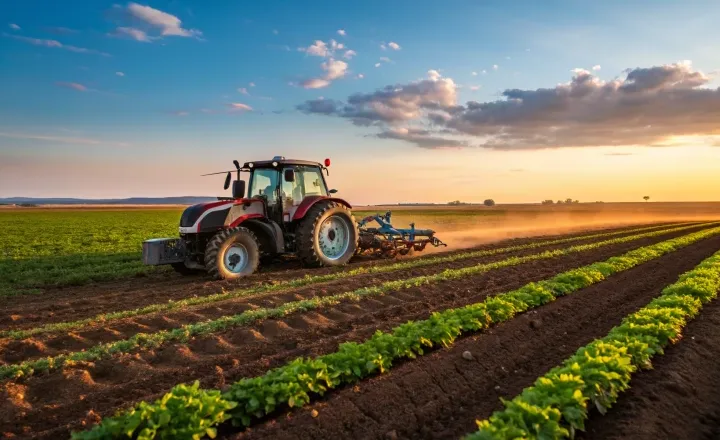
Every farm runs to its own rhythm, shaped by seasons, labour, and the pressure of narrow windows to get work done. Machinery sits at the centre of that rhythm, deciding whether days run smoothly or drag on longer than planned.
Among all equipment, farming tractors carry the heaviest expectations. They pull, lift, plant, grade, and transport, often without pause. When the match between machine and property is right, operations tighten up, costs settle, and work feels more controlled rather than reactive.
Matching Power And Size To Daily Workloads
Choosing a tractor starts with honesty about the work it will face. Smaller properties often benefit from compact builds that turn easily and handle light attachments without fuss. Larger holdings, heavier soils, or regular loader work call for more weight and strength.
Oversizing wastes fuel and money, while undersizing stretches machines beyond their comfort zone. The sweet spot usually reveals itself once terrain, task frequency, and seasonal peaks are considered together. That said, ensure you take your time and consider all factors before investing in a tractor.
Improving Farm Management and Versatility
Modern design has shifted expectations around output. Smoother transmissions, four wheel drive options, and refined hydraulics allow operators to do more with less strain. Jobs finish faster, accuracy improves, and long days feel shorter.
Over a full season, those small efficiencies stack, trimming fuel use and reducing wear that leads to costly repairs. The result is steadier performance that holds up under pressure, even when workloads peak and conditions are less forgiving.
Versatility That Keeps Operations Flexible Across
Attachments change the role of a tractor almost instantly. Loaders, mowers, augers, and grading tools can be swapped as conditions shift, keeping one machine useful year round.
This matters when the weather disrupts plans or unexpected maintenance pops up. Instead of waiting on extra equipment, work continues with minimal interruption.
Managing Costs Beyond The Purchase Price
Sticker price grabs attention, but operating costs tell the longer story. A tractor matched well to its workload burns fuel more efficiently and avoids constant stress on components.
Newer engines also tend to meet stricter emissions standards while delivering better economy. Across years of use, fewer breakdowns and shorter service intervals protect both budgets and schedules.
Safer Workdays And Clearer Decision Making
Comfort and visibility are no longer luxuries. Well designed cabins, intuitive controls, and stable platforms reduce fatigue and help operators stay alert. Safety features such as rollover protection and improved lighting lower risk during long hours.
Digital displays and guidance tools also support smarter decisions in the field, particularly when precision matters.
Value Built Into Everyday Use
A tractor chosen with care becomes part of the farm’s identity. It shapes how quickly tasks move, how confidently labour is allocated, and how smoothly seasons transition.
Reliable dealer support strengthens that value through timely servicing, parts availability, and advice that reflects real conditions rather than generic promises. This, in turn, builds trust in the equipment and reduces disruption during critical periods when delays are least affordable.
Planning For Future Growth And Change
Farms rarely stay the same for long. Acreage shifts, enterprises diversify, and expectations evolve. Choosing a tractor with a little headroom can ease future transitions without forcing immediate upgrades. That might mean allowance for heavier implements later, or compatibility with guidance systems not yet in use.
Thinking ahead does not require overbuying. It simply means recognising where the operation is likely to head and selecting equipment that will not hold it back.
Final Thoughts
When equipment works in step with the land and the people running it, the entire operation feels calmer, more predictable, and better prepared for what the next season brings. It allows managers to focus on soil, stock, and strategy, trusting that the machinery will respond predictably when demands rise without second-guessing every decision during busy stretches of the year.