

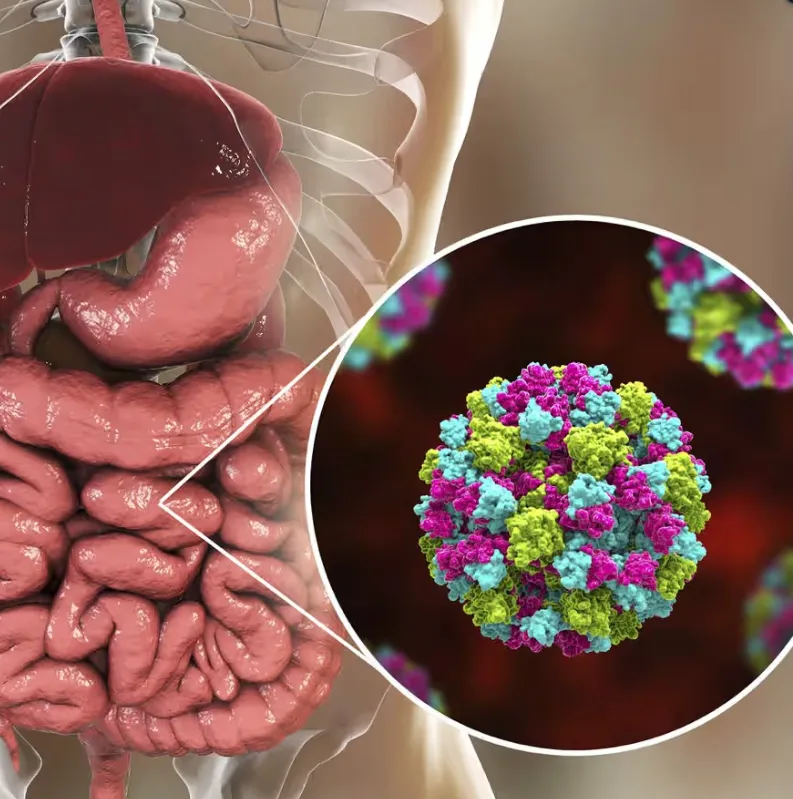
You can have a norovirus infection without vomiting, but other symptoms like diarrhea, nausea, and stomach cramps often indicate the virus is affecting your digestive system. The question, “Can You Have Norovirus Without Vomiting?” is common, especially among adults and older children who may experience only mild gastrointestinal issues. Recognizing these signs early helps you prevent dehydration and manage symptoms effectively.
If you feel very unwell or unsure, an emergency room in Amarillo might be the right option for immediate care.
H2: What Is Norovirus?
Norovirus is a highly contagious virus that causes inflammation of the stomach and intestines, medically known as acute gastroenteritis. It can affect people of all ages and spreads rapidly in crowded environments like schools, hospitals, and care facilities. Often called the “stomach flu,” it is unrelated to influenza. Symptoms usually appear within 12–48 hours after exposure and can last 1–3 days, depending on individual immunity and overall health.
H3: What Are The Symptoms Of Norovirus
- Nausea and an upset stomach.
- Diarrhea.
- Abdominal cramps or pain.
- Low‑grade fever or chills.
- Headache or body aches.
- Fatigue and general weakness.
If symptoms become severe or dehydration occurs, it’s important to seek professional care immediately. The Exceptional Emergency Center can provide timely treatment to manage complications and ensure proper recovery.
How Is Norovirus Spread?
Norovirus spreads very easily because only a tiny number of viral particles are needed to cause infection. Infected individuals shed the virus in their stool and sometimes in microscopic droplets, even if they do not vomit. Awareness of general transmission helps protect yourself and others while someone is ill.
- Contaminated Food or Drink: Eating food or drinking water with even small amounts of virus particles can cause infection. Leafy greens, fruits, and shellfish are common sources.
- Touching Contaminated Surfaces: The virus can survive on objects like doorknobs and counters for days. Touching these surfaces and then your mouth can transmit infection.
- Close Contact With Infected Individuals: Sharing utensils, towels, or being near someone sick can spread the virus.
- Airborne Particles After Vomiting: Microscopic droplets from a nearby person vomiting can settle on surfaces or be inhaled, spreading the virus.
Can Norovirus Occur Without Vomiting?
Yes, many people, especially adults with milder infections, can have norovirus without vomiting. While vomiting is common, diarrhea, nausea, stomach cramps, and fatigue can be the main indicators. Even without vomiting, the virus is still contagious, and dehydration can occur if fluid loss is significant. Understanding this helps prevent serious complications and protects others from infection.
- Milder Infection Patterns: The immune system may limit viral effects on the upper digestive tract, resulting in diarrhea without vomiting.
- Variation by Age and Immunity: Children tend to vomit more frequently, while older adults or those with strong immune systems may only experience diarrhea or nausea.
- Symptom Onset Timing: Symptoms typically appear 1–2 days after exposure, and vomiting may never develop.
- Contagious Without Vomiting: Virus particles can still be shed and transmitted to others even if no vomiting occurs.
How To Treat Norovirus
Treatment focuses on symptom relief and preventing dehydration, as there is no specific cure. Most people recover fully within a few days with rest and supportive care. Staying hydrated, monitoring symptoms, and following simple at-home measures can prevent complications.
- Fluid Replacement: Drinking oral rehydration solutions or electrolyte-rich fluids replaces lost salts and water, which is crucial to prevent dehydration.
- Anti-Diarrheal Medicines: Over-the-counter options like loperamide may reduce diarrhea in adults, if recommended by a healthcare provider.
- Anti-Nausea Support: Doctors may suggest antiemetic medications to relieve nausea when symptoms are severe.
- Rest and Bland Foods: Eating small amounts of easy-to-digest foods like crackers, rice, or bananas supports the digestive system while resting.
- Avoid Certain Beverages: Alcohol, caffeine, and sugary drinks can worsen diarrhea and should be avoided until recovery.
When To Seek Medical Help
Seek immediate medical care if symptoms last more than a few days, signs of dehydration appear (dizziness, very low urine output, extreme weakness), or if the patient is very young, elderly, or has a weakened immune system. Early medical attention ensures safe recovery and prevents serious complications.
Key Takeaways
- Norovirus can occur without vomiting; diarrhea, cramps, and nausea are common.
- The virus spreads easily through contaminated food, surfaces, and close contact.
- Treatment focuses on hydration, rest, and symptom management.
- Most people recover within 1–3 days with proper care.
- Seek medical help if dehydration or severe symptoms develop.