

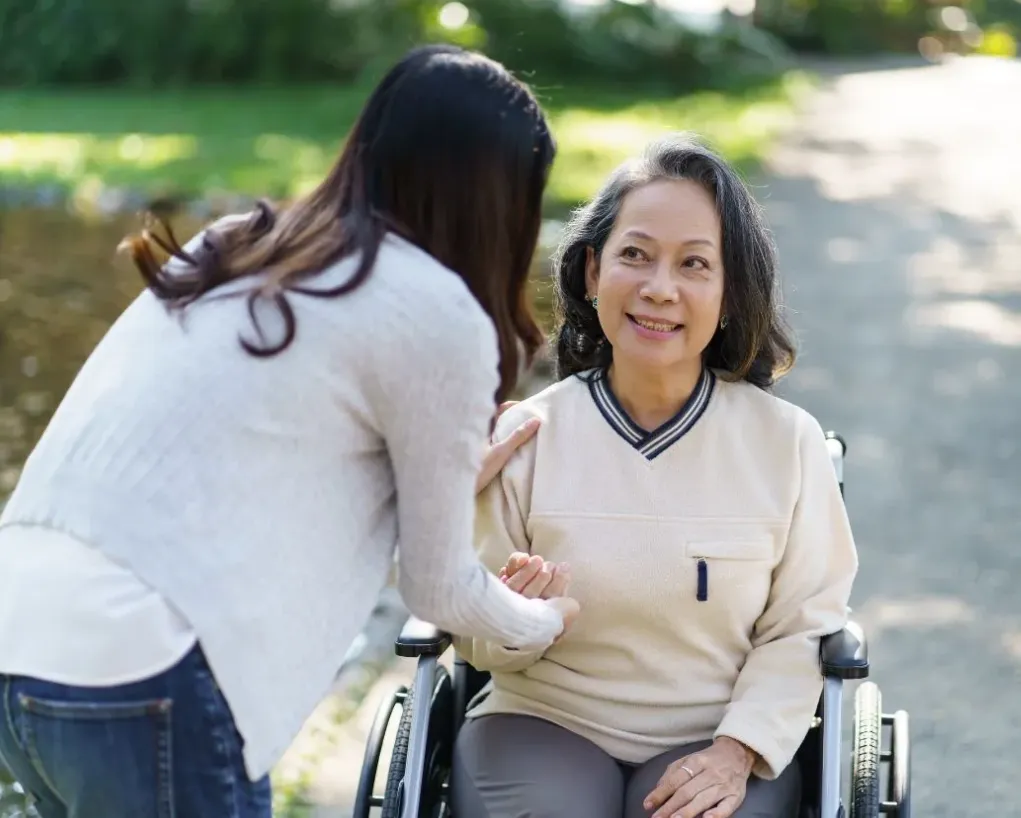
When people age, or when people are in recovery from an injury or surgery, simple everyday tasks such as getting out of bed, moving to a chair, or using the restroom may require more effort, and additional supervision and assistance. This is where transfer aids for seniors can be helpful in providing support for safe and functional movement.
Reduced muscle strength, joint stiffness, difficulties in balance, and other medical conditions contribute to the challenges people face when moving. In addition to the difficulty of moving, the person may be at an elevated risk for falling, and subsequently sustaining an injury. This is especially concerning within the population of older adults, as falling and sustaining an injury is a leading cause of injuries in this age group. When assisting a person to move, caregivers require the right tools and the appropriate technique.
Pragmatic approaches and safe techniques for assisting persons with mobility challenges, while also maintaining the person’s dignity and independence, are challenges to be addressed in the guide. Learn more at WHILCKS to aid in understanding mobility challenges and the support available to caregivers.
Common Situations When Help Is Needed
Moving from Bed to Chair
One of the most common difficulties is the transfer from bed to chair or a wheelchair. It requires shifting body weight, maintaining balance, and coordinating multiple muscles and muscle groups—all tasks that are difficult to perform for a person with impaired or limited body function.
Sitting to Standing
Standing up from a chair requires decent leg strength and stability. Many of the elderly find it difficult to perform this action, especially when they are suffering from knee or hip problems.
Using the Toilet
When it comes to toilet transfers and transfers, the risks increase due to the limited space of the toilet and the slippery surfaces, which makes it very easy for someone to slip and fall. It requires the utmost attention and proper support to perform the task without risk of accidents.
Getting in and out of Cars
It can be very frustrating to travel to a new place when it involves the need to get in and out of the car. Some people may need to bend, pull, or step to a higher platform to get in, which can cause strain or injury if they are not assisted.
Why Safe Transfer Methods Matter
When a person is assisted for transfers, safe transfer methods are required for the person who is assisting as well. Injuries may be sustained due to the assistant not using safe transfer methods, such as muscle strains, back pain, or even falling.
Core Guidelines
– Always talk about what you will do before you do it
– Try to get the person involved as much as possible
– Keep a stable base by standing with your feet shoulder-width apart
– When lifting, use your knees, not your back
– Keep your movements smooth and controlled
These guidelines help caregivers manage their own physical stress and enhance safety while doing transfers.
Everyday Assistance Mobility Options
The latest mobility devices are engineered to provide safe, simple, and comfortable transfers. They also enhance the quality of life of both the user and the caregiver.
Transfer Slings
Transfer slings are used with mobility lifting apparatuses to provide safe lateral transfers of clients. They offer full body support and eliminate the necessity of manual lifts.
Advantages
– Even load distribution
– Less stress on the caregiver
– More comfort to the user
Sit-to-Stand Lifts
Sit-to-stand lifts are meant for clients who are weight bearing but need help to get up. These apparatuses elevate the user to a standing position.
Benefits:
– Boosts engaged involvement
– Aids in developing strength in legs
– Great for quick transfers
Electric Patient Lifts
Electric patient lifts are an example of an assistive device that helps lift and move a person with very low effort on the individual’s part. They are great for people with very little to no ability to move on their own.
Advantages:
– Lifting device has easy controls
– Provides a smooth lift to the person
– Safety and stability of the person being lifted are improved
These devices offer more than ease of use. They create a safer environment for both patient and caregiver.
Falling in the Home
Creating a safe living environment is one of the key components of fall prevention.
Moving Things Around in the Home is a Simple Step
– Loose rugs and clutter are to be removed
– Grab bars are to be installed in bathrooms
– Well lit every area
– Wet areas should have non stick mats
– Items that are needed frequently should be placed in a position that is easy to reach
Shoes are an Important Part of Falling Prevention
Supportive shoes with a non-slip sole should be worn. Bare feet or slippers that are loose to the ankles are a fall hazard and should not be worn.
Check-Ups
If a person’s vision is not good, or if their medications cause them to become unsteady, or if their sense of balance is lacking, they are likely to fall. This is why regular check-ups are very important.
Supporting Independence with Dignity
While safety is paramount, for emotional well-being, it is of equal importance to maintain independence. Many people appreciate being able to complete daily tasks by themselves.
Encourage Participation
Even small movements, like pushing up from a chair, or holding onto a support bar can help boost confidence and keep muscle strength.
Respect Personal Space
Always ask for permission before trying to help in any way. Respecting boundaries increases dignity and fosters trust.
Create a Routine
Daily activities that are consistent and structured help people feel more in control and less stressed.
Caregiver Tips for Safe Assistance
Caregiving can be physically and emotionally exhausting. The right approach can make a tremendous difference.
Protect Your Own Health
– Use lifting aids rather than lifting manually
– Take breaks as necessary
– Use correct body mechanics when moving a care recipient
Stay Informed
Knowing how to use different mobility aids can improve safety and efficiency. Weighing training or guidance from a medical professional can be very beneficial.
Communicate Clearly
Explain what you will do before moving. The more a care recipient understands how they will be assisted, the more they will feel in control and the less anxious they will be.
Picking Out the Best Mobility Aid
Several factors play a role in deciding which mobility aid would be the best fit.
– Surroundings
– Level of mobility
– Weight bearing status
– Presence of a caregiver
Mobility specialists and medical professionals can best pinpoint an individual’s needs, and aid, for a positive outcome.
Emotions and Mental Well-Being
Mental health can be just as adversely affected as physical health with the loss of mobility.
Feelings of Frustration
Emotional support is critical, as is an open dialogue with the individual.
Socialization
Isolation can be greatly reduced by staying in contact with loved ones. Even regular short interactions can greatly improve the situation.
Planning and Adjustments for Increased Safety and Comfort at Home
Creating a supportive environment at home is more than just the right equipment. It requires thoughtful planning and constant changes and additions.
Important Factors
– Emergency numbers should be accessible
– Prepare the space for optimal movement
– Use adjustable chairs and beds as required
Increased comfort and safety can be found in an organized space.
Final Thoughts
Assisting a person with mobility challenges involves resourcefulness, appropriate tools, and most importantly, empathy. Caregivers and families can provide support and assistance in a safe, effective, and supportive manner by knowing some of the challenges and employing appropriate solutions.
Each effort made to ensure safety, including the adoption of appropriate transfer techniques and the use of mobility assistance, significantly enhances the individual’s quality of life. Above all, the most essential aspect of caregiving is the individual’s sense of respect, dignity, and independence.
When done properly, the right movement routines can ensure safety, and provide empowerment to all participants.