

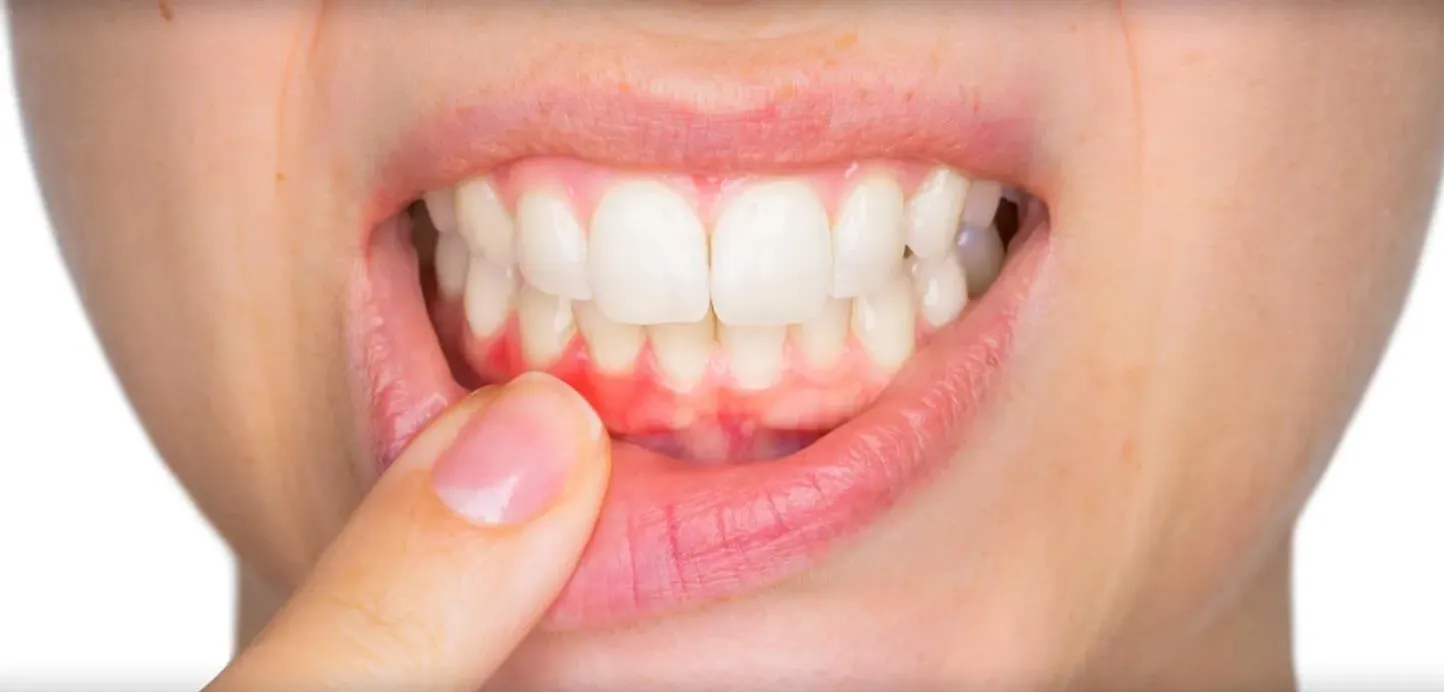
Gum disease is one of the most common dental problems, yet many people don’t realize it until the condition has progressed. Early detection is key—not only to save your teeth but also to protect your overall health. By understanding the warning signs, you can take action before minor gum issues turn into serious complications.
1. Bleeding Gums
One of the first red flags of gum disease is bleeding gums, especially during brushing or flossing. While occasional minor bleeding might happen, consistent or heavy bleeding is a sign that your gums are inflamed and may be infected. Ignoring this symptom can allow the disease to progress into periodontitis, which can damage the bone that supports your teeth.
2. Swollen or Puffy Gums
Healthy gums are firm and pink. If your gums appear swollen, red, or tender, it may indicate gingivitis—the earliest stage of gum disease. Swelling occurs because your body is reacting to bacteria buildup at the gum line. Early intervention, like professional cleaning and improved oral hygiene, can reverse this stage.
3. Persistent Bad Breath
Halitosis, or chronic bad breath, is more than just a minor inconvenience. It can signal the presence of bacteria associated with gum disease. If you notice that your breath remains unpleasant even after brushing, flossing, and using mouthwash, it’s time to check in with your dentist.
4. Receding Gums
Gum recession is when your gums start to pull away from the teeth, exposing more of the tooth or even its root. This can make your teeth appear longer than usual and may increase sensitivity. Receding gums are a sign that the supporting tissue is being destroyed, often due to untreated gum disease.
5. Loose or Shifting Teeth
Advanced gum disease can compromise the stability of your teeth. If you notice your teeth moving, feeling loose, or changing alignment, it’s a serious warning sign. Prompt dental intervention is necessary to prevent tooth loss. In severe cases, procedures such as full mouth dental implants in Harrisonburg VA may be recommended to restore function and appearance.
6. Pain or Discomfort
While gum disease can sometimes be painless, many people experience tenderness, discomfort while chewing, or sensitivity to hot and cold foods. These symptoms indicate that inflammation or infection has reached deeper into the gum tissue.
7. Changes in Bite or Jaw Alignment
When gums and supporting bone are affected, your bite can change. Teeth may feel as if they don’t fit together correctly when you close your mouth. This subtle sign is often overlooked, but it can indicate advanced periodontal issues.
Taking Action Early
The good news is that gum disease is often preventable and treatable in its early stages. Maintaining a routine of brushing twice a day, flossing daily, and visiting your dentist regularly can make a significant difference. Professional cleanings remove plaque and tartar buildup that home care alone cannot.
For those already showing symptoms, treatments vary depending on severity. Gingivitis may be reversed with improved oral hygiene, while more advanced periodontitis might require deep cleaning procedures, medications, or even surgical interventions. Ignoring the early signs can lead to tooth loss and more complicated treatments.
Conclusion
Your gums are the foundation of a healthy smile, and spotting early signs of gum disease can save both your teeth and your overall oral health. Watch for bleeding, swelling, bad breath, gum recession, loose teeth, or changes in bite. Addressing these warning signs early with professional care ensures your smile remains strong and healthy for years to come.
Remember, if you’re experiencing significant issues, options like full mouth dental implants in Harrisonburg VA can help restore both function and confidence. Don’t wait until it’s too late—your gums and teeth deserve attention now.