


It can be exhausting to keep up with fashion trends. Over time, many styles begin to feel repetitive, and it becomes hard to express individuality through clothes when mainstream fashion dominates.
As a result, many people struggle to find a style that reflects their personality without feeling outdated or irrelevant.
Meanwhile, global fashion capitals are more likely to be aimed at luxury or seasonal trends, and thus, there is not much more to experiment with. That leaves a void for the people who desire fashion to be more expressive, creative, and personal.
It is here that some fashion districts shine by redefining style in terms of individuality and cultural impact.
In this article, we discuss why Harajuku is a real fashion capital and how it still influences the world’s fashion trends.
1. Unapologetic Self-Expression Culture
Individuality is at the heart of Harajuku fashion where personal expression takes priority over following trends. People express themselves through clothing instead of conforming to specific trends. This practice enables you to be creative with colors, shapes, and subjects.
Additionally, the culture promotes breaking traditional rules. The aesthetic includes mixing patterns, overlaying various styles, and using unanticipated elements. This transforms into a form of self-expression instead of a uniform appearance.
One of the greatest reasons that Harajuku can be differentiated from other fashion centers is this freedom of expression through clothing.
Also, this culture does not create fear of judgment, which inhibits fashion decisions in other places. The moment you enter such a space, experimentation becomes predisposed instead of dangerous.
Eventually, this attitude fosters self-confidence, and personal style can develop without external approval.
2. Diverse Subcultures Shape Style

The other characteristic aspect is several subcultures, each with its own contribution to the general fashion scene. Starting with kawaii and pastel to punk, gothic, and streetwear, the diversity is quite impressive.
Due to this variety, you are not restricted to one style. Instead, you are able to experiment with other identities or even mix with the content of other subcultures. This brings about a dynamic environment where trends are organic, not industry based.
As a result, Harajuku turns into a place where creativity flourishes by reinventing itself repeatedly.
For example, cute aesthetics can be mixed with a somber theme, creating a contrast that is edgy and playful. This unending fusion makes the fashion world unpredictable and thrilling.
3. Youth And Street Influence
The identity of Harajuku is largely influenced by youth culture. Young people utilize fashion as a means of breaking conventions and asserting their views.
Harajuku is not reliant on designers and brands as traditional fashion capitals are. Such influence of the grassroots makes trends authentic and relatable.
Moreover, social media enhances these fashions, and they can be shared with people all over the world in a short time. Consequently, what starts as a localized trend runs the risk of becoming a global behemoth.
That said, this effect establishes a rapid feedback mechanism. Once a new fashion shows up in the street, it is instantly adapted, changed, and distributed.
The speed of this cycle enables the trends to transform in real time, which makes the fashion ecosystem very responsive and alive.
4. Balances Innovation and Access
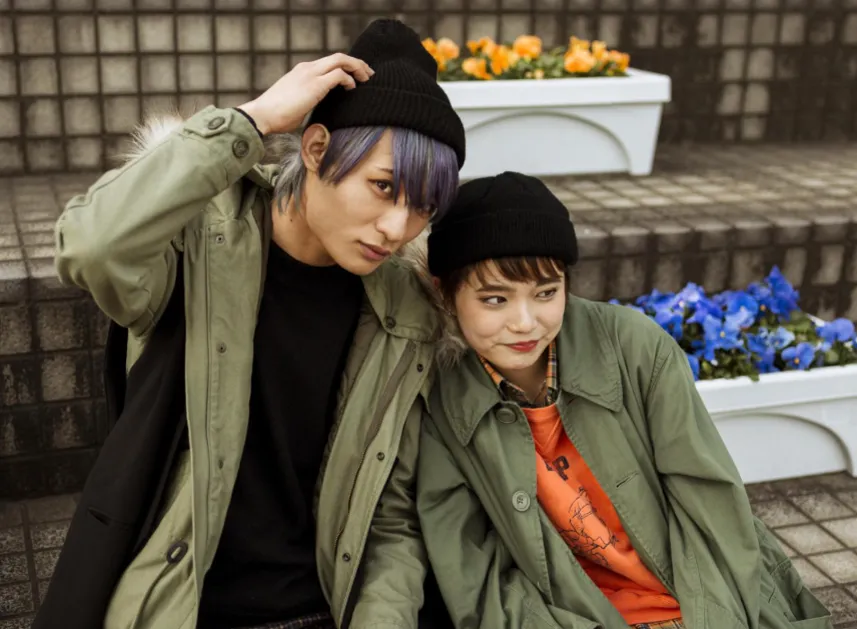
At a time when most fashion capitals are concerned with exclusivity, Harajuku is unique in that it is accessible. The styles are not confined to high-end consumers but are accessible to a wider audience.
This availability promotes trial and error without much strain in terms of financial obligation. You explore new styles, combine various items, and build your own statement without being tied up in costly fashion seasons.
Moreover, this affordability and creativity balance makes fashion inclusive and constantly changing.
5. Defining Aesthetic Identity Movement
Harajuku is not only about fashion; it is about the establishment of a whole new image. Everything, including hairstyles and makeup, accessories, and footwear, is added to the overall look.
This detailing makes fashion an art. Every dress has a story, and it is based on personal interests, cultural influence, and vision.
In addition, the striking visual appeal renders these styles very recognizable. This unique identity is essential in creating Harajuku as a universal fashion reference point.
6. Constant Change, Global Influence
Harajuku fashion is dynamic. Trends are not fixed but change and evolve with cultural change and personal innovativeness.
This perpetual change makes the style fresh and up to date. It also makes sure that Harajuku is not left behind in the fashion world. The landscape is frequently inspiring to designers, influencers, and fashion enthusiasts.
Therefore, the influence of Harajuku goes well beyond its spatial scope and influences the way individuals view and interact with the world of fashion in general.
Conclusion
The fact that Harajuku is a fashion capital is anchored in its long-standing culture of self-expression, where individuality overtakes dogmatic trends. The existence of various subcultures introduces additional levels of creativity, which means that styles could evolve naturally.
Youth and street culture also help to enhance its authenticity, and trends become grounded and relatable. It is so accessible that fashion is not exclusive, so people can experiment with it with no restrictions.
The great visual identity makes clothing a potent piece of storytelling, and the continuous development makes the style up-to-date and widely impactful worldwide.
To continue, it is important to be creative and individualistic to comprehend and appreciate the real meaning of Harajuku and its fashion influence.