

Ageing well is not just about medical care. It’s about belonging. Older Australians who feel part of a real community live longer, report less pain, and maintain sharper cognitive function. That’s why the community-building dimension of aged care matters as much as the clinical one. Southern Cross Care NSW & ACT builds this into its model intentionally, rather than treating social wellbeing as a nice-to-have. This article looks at how community-focused care actually works and why it delivers better outcomes.
What Does a Genuinely Supportive Aged Care Community Look Like?
It looks like people choosing to be together, not just coexisting in the same building. Shared meals that feel like gatherings. Programs that reflect what residents actually enjoy, not what’s cheapest to run. Volunteer programs that bring outside life in. Intergenerational activities that connect seniors with younger people. The Aged Care Royal Commission specifically flagged social connection as one of the most neglected aspects of residential care in Australia. That neglect has real consequences, and quality providers are working to reverse it.
How Does Geography Shape Community Design in NSW and ACT?
NSW is enormous. ACT is compact. Building community in a regional NSW facility requires different thinking than in an ACT suburb. Rural facilities must often be more self-contained, because external social infrastructure is thin. That means stronger internal programs, closer staff-resident relationships, and more deliberate engagement with the surrounding town. Urban ACT facilities can leverage proximity to arts centres, universities, and transport. Smart providers design community strategy around local context, not a one-size copy-paste approach.
Are Lifestyle Programs Actually Evidence-Based?
The good ones are. There’s strong evidence behind music therapy for dementia, horticultural therapy for anxiety reduction, and structured reminiscence therapy for depression in older adults. A 2020 Cochrane Review confirmed that psychosocial interventions in residential care significantly reduce depressive symptoms. The problem is that not every provider invests in qualified lifestyle staff. Treating lifestyle programs as a scheduling afterthought rather than a clinical service is a false economy. The downstream savings in medication and hospitalisation are substantial.
How Do Retirement Villages Differ from Residential Aged Care?
Retirement villages are for independent living. Residents own or lease their unit and live autonomously. Aged care facilities provide personal and clinical support to people who can no longer manage independently. The distinction matters financially and legally. Retirement village contracts are governed by state legislation, which varies significantly between NSW and ACT. Aged care is federally regulated. Families sometimes confuse the two when planning, which can lead to expensive mistakes. Getting this clear early saves significant stress later.
What Role Does Spirituality Play in Senior Wellbeing?
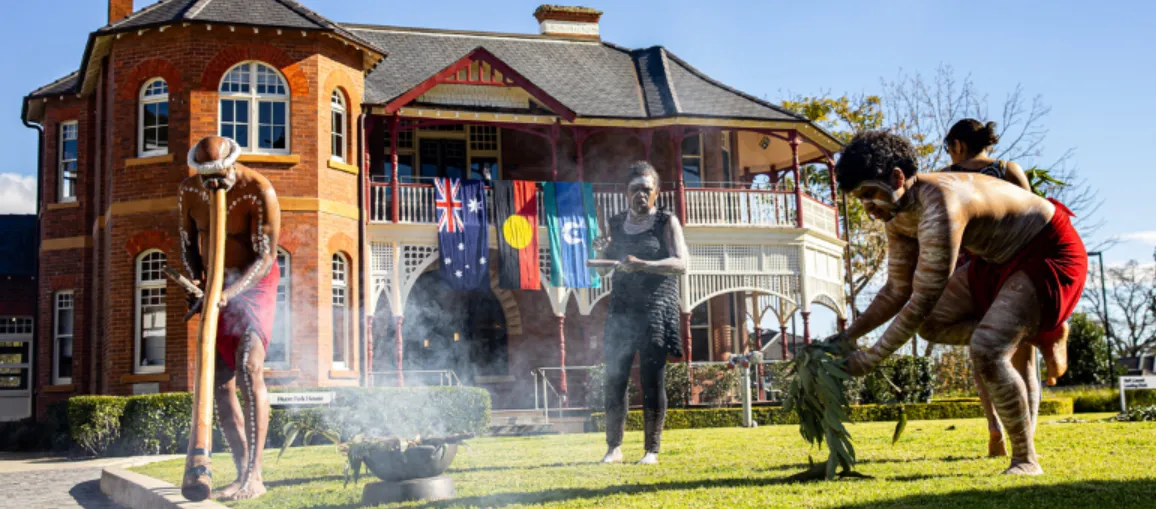
A significant one, backed by data. Studies in the Journal of Gerontology show that seniors with active spiritual or religious lives report higher life satisfaction, better mental health, and faster recovery from illness. Spirituality doesn’t require religion. For many seniors it means meaningful ritual, connection to values, and a sense that their life has mattered. Providers who integrate pastoral care, cultural ceremonies, and space for spiritual expression see measurably better resident wellbeing. This is not optional. For many older Australians, it is central to who they are.
How Can Older Australians Stay Connected to the Broader Community?
Digital connection has changed the picture completely. Video calling, social media, and online communities give seniors access to family and interest groups in ways that were impossible a decade ago. Providers who invest in tech literacy programs and reliable internet see residents maintaining stronger external connections. Community transport partnerships, volunteer visitor schemes, and shared outings all extend the care community outward. The goal is not a closed campus but a hub that seniors move in and out of as much as their capacity allows.