

Table of Contents
- Introduction
- Understanding Furnace Efficiency Ratings
- Benefits of Upgrading to a High-Efficiency Furnace
- Financial Incentives and Rebates
- Proper Installation: A Key to Efficiency
- Maintenance: Ensuring Long-Term Savings
- Real-Life Savings: A Homeowner’s Experience
- Conclusion
When it comes to home heating, investing in a modern furnace can make a big difference for both your comfort and your wallet. Homes lose a considerable amount of energy through outdated or improperly operating systems, but a new, efficient furnace can help bring those costs under control. Exploring heating system installation options can lay the foundation for long-term savings and enhanced indoor comfort.
Today’s advanced furnace systems are designed to convert fuel into heat more effectively than older models. Installing an energy-efficient furnace not only means lower monthly expenses but also a more balanced and reliable heating experience for your entire household. As you evaluate the benefits of upgrading your home’s heating, you’ll find that the right furnace and installation process can significantly reduce wasted energy and environmental impact.
Understanding the elements that contribute to furnace efficiency, the financial incentives available, and the importance of correct installation will help you make a confident, informed decision. This article will walk you through each aspect, helping you maximize savings while maintaining comfort. As new energy standards shape the future of home heating, homeowners have more opportunities than ever to upgrade and save.
Understanding Furnace Efficiency Ratings
Furnace efficiency is measured by the Annual Fuel Utilization Efficiency (AFUE) rating. This crucial rating tells you how much of the energy in the fuel you purchase actually becomes heat for your home and how much exits through your chimney or vent. For instance, a furnace rated at 60 percent AFUE converts just 60 percent of the fuel into heat, with the rest wasted. In marked contrast, new high-efficiency furnaces can achieve AFUE ratings of 90 percent or more, meaning only a minimal amount of fuel is lost during heating. Choosing a furnace with a higher AFUE ensures you pay less for wasted fuel and more for actual heating.
Benefits of Upgrading to a High-Efficiency Furnace
- Lower Energy Bills: Modern high-efficiency furnaces use advanced technology to extract more heat from every fuel dollar. This translates into sharper reductions in your energy costs, especially noticeable during peak heating seasons.
- Consistent Indoor Comfort: High-efficiency systems are designed for steady, reliable heating. They minimize temperature fluctuations and improve the distribution of warmth throughout your home.
- Reduced Environmental Impact: Because they require less energy to produce the same amount of heat, high-efficiency furnaces release fewer emissions, resulting in a smaller carbon footprint for your household.
Financial Incentives and Rebates
Major upgrades, such as a new furnace installation, can qualify for valuable financial incentives. Many state and federal programs promote energy efficiency by offering cash-back rebates or tax credits for eligible appliances and heating systems. Recent initiatives from the U.S. Department of Energy propose new residential furnace standards that aim to eliminate billions of dollars in waste and reduce greenhouse gas emissions nationwide. These incentives significantly reduce the upfront cost of installation and can accelerate your return on investment.
Utility providers and local governments may also offer additional forms of support. Checking with your energy provider or government energy office before making a purchase can help you plan your project and reduce your total costs. For example, Energy Star maintains a helpful database for consumers to search for rebates in their area. Take advantage of these resources to further ease the financial burden of upgrading your heating system.
Proper Installation: A Key to Efficiency
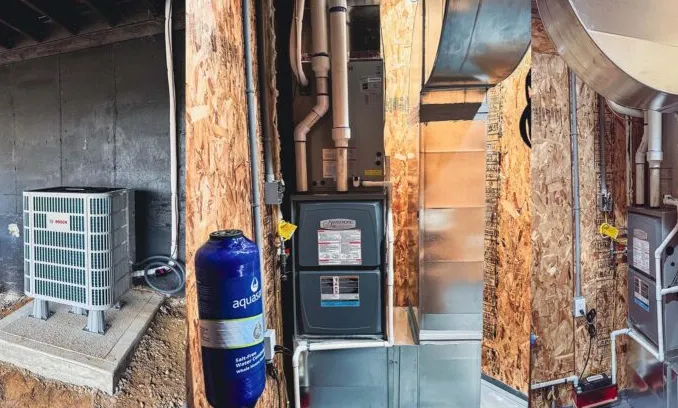
The highest-rated furnace will not perform to its potential if it is installed incorrectly. Proper furnace installation is complex; it involves careful sizing, correct venting, and ensuring the ductwork complements your home’s unique layout. A certified HVAC technician should evaluate your home’s size, insulation, and air flow to determine the ideal furnace size and location. Professional installers also adhere closely to safety codes, safeguarding your family’s health and protecting your warranty coverage.
Correct installation avoids common issues such as short-cycling, poor airflow, or heat loss, all of which can undermine even the best systems. Homeowners should always work with licensed professionals who specialize in modern heating systems.
Maintenance: Ensuring Long-Term Savings
Once your new furnace is installed, regular maintenance is essential to preserve its efficiency. Changing air filters frequently, keeping blower components clean, and clearing air ducts and vents all support optimal system operation. Annual inspections by a qualified technician allow for early identification of minor issues before they grow into costly repairs or energy drains.
Preventative maintenance not only extends the equipment’s lifespan but also maintains the manufacturer’s efficiency promises, so you continue to save on your monthly bills for years to come.
Real-Life Savings: A Homeowner’s Experience
Real-world cases show the value of upgrading to a high-efficiency furnace. As reported by CNBC, a homeowner who proactively replaced an outdated system halved her heating bills. The switch also qualified for a sizeable federal tax credit, further reducing out-of-pocket expenses and making the upgrade even more affordable. This scenario highlights how a combined approach, from installation to incentives, leads to fast and sustained financial benefits.
Conclusion
Choosing to invest in a high-efficiency furnace delivers benefits that extend beyond savings on your monthly utility bill. Improved home comfort, a lower environmental footprint, eligibility for rebates and credits, and increased property value are just some of the advantages. By prioritizing high efficiency, working with expert installers, and staying diligent with maintenance, homeowners can enjoy warmth, reliability, and enduring cost reductions all winter long.