

Choosing the right equipment for small-scale jobs can make a big difference in how smoothly your project runs. For homeowners, contractors, and landscapers tackling things like trenching, digging, or material handling, two machines often come up: the mini excavator and the backhoe. Both are excellent tools with overlapping functions, but they offer different benefits depending on your needs, your space, and your budget.
If you’re not sure which one is the better fit for your project, this guide breaks down the differences, advantages, and ideal use cases to help you make a confident decision.
Understanding the Basics: What Each Machine Does
Before comparing them directly, it’s important to understand what these machines are designed to do.
Mini Excavators
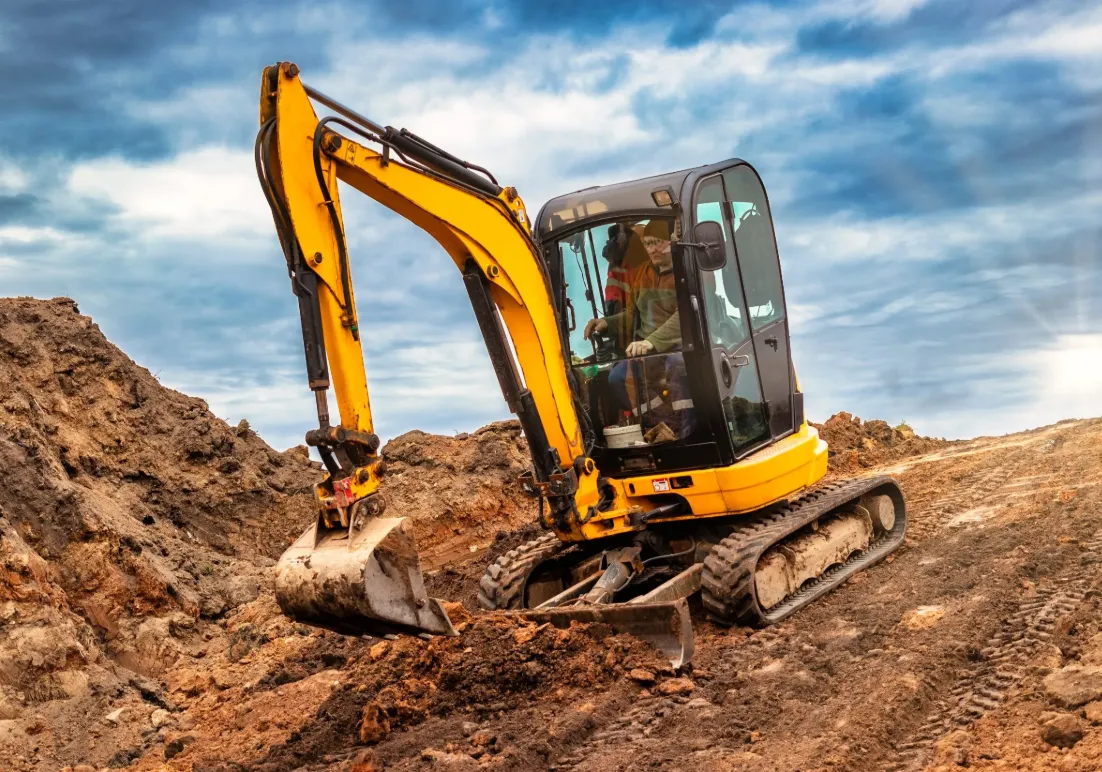
Compact and lightweight, mini excavators are best known for their precision and maneuverability. They are ideal for small-scale digging, grading, and site preparation. Equipped with durable components like Caterpillar final drive motor, these machines deliver consistent power and rotation efficiency, allowing operators to complete projects with superior control and performance. Their ability to rotate 360 degrees makes them highly efficient in confined spaces where repositioning a larger machine might be difficult or even impossible.
Mini excavators are often used for:
- Trenching for irrigation or electrical lines
- Digging small foundations
- Breaking concrete or asphalt (with the right attachment)
- Landscaping work
Backhoes
Backhoes combine the capabilities of two machines: a front loader for scooping or leveling and a rear digging arm for trenching or lifting. They tend to be larger than mini excavators and are usually wheeled rather than tracked, which gives them better travel speed across a job site or road.
Backhoes are commonly used for:
- Digging deeper trenches or footings
- Moving large volumes of material
- Light demolition
- Utility work
- Roadside maintenance
If your job requires both digging and material movement, a backhoe might be more versatile. But that doesn’t always make it the better choice.
Key Differences to Consider
Here’s a breakdown of the main differences between mini excavators and backhoes, focusing on the factors that matter most for small projects.
Size and Maneuverability
- Mini Excavators: More compact, making them easier to use in tight yards, alleyways, or residential lots.
- Backhoes: Larger footprint and longer turning radius, which can be a challenge in small or enclosed spaces.
For projects in tight quarters, the mini excavator’s small size and full rotation ability are a big plus.
Digging Depth and Reach
- Mini Excavators: Typically dig up to 10 feet deep, depending on the model.
- Backhoes: Can dig deeper—up to 14 feet or more on larger models.
If your project involves deeper holes, a backhoe might give you the reach you need. But for most residential or light commercial projects, a mini excavator offers plenty of digging depth.
Versatility and Attachments
Both machines support a wide range of attachments, including augers, hammers, and thumbs. However:
- Mini Excavators: Tend to offer more precision with attachments and are easier to switch between them.
- Backhoes: Come with both a loader and a digging arm by default, providing more built-in versatility for multitasking.
That said, unless you’re using both ends of the backhoe frequently, the smaller and more nimble machine may still be more practical for short-term tasks.
Transport and Access
- Mini Excavators: Lighter and easier to trailer behind a pickup truck. They’re easier to transport between job sites and often don’t require a commercial driver’s license.
- Backhoes: Heavier and bulkier, often requiring a larger trailer and potentially more permitting.
If access and mobility are important, a mini excavator is typically the more accessible option for renters and DIY users.
Project Scenarios: Which Machine Makes More Sense?
Still unsure which one is right? Let’s look at a few typical small project examples and see which machine is the better fit.
Digging a Trench for Utilities
Winner: Mini Excavator
Trenching is where mini excavators shine. They’re accurate, easy to handle, and efficient at digging narrow, even trenches for water lines, electric cables, or irrigation.
Landscaping a Backyard
Winner: Mini Excavator
If you’re installing a garden, building retaining walls, or preparing land for planting, the mini excavator’s light footprint and easy mobility help avoid damaging existing landscaping.
Digging Footings for a Shed or Small Structure
Winner: Depends on Depth
If your footings require deeper holes, a backhoe may be better. But for smaller foundations, a mini excavator still offers the control you need and is easier to operate in tight corners.
Moving Dirt or Gravel
Winner: Backhoe
The loader on a backhoe makes it excellent for moving large volumes of loose material. While mini excavators can do this with a bucket, they aren’t as efficient for large-scale loading tasks.
Rural Property Maintenance
Winner: Backhoe
For large properties or farms where you might need to dig one minute and move hay or dirt the next, a backhoe’s dual-purpose design makes it a solid long-term investment.
Cost Considerations: Renting vs. Owning
For short-term or one-off jobs, renting is almost always the more practical option. Mini excavators generally cost less to rent and operate than backhoes, which can be an important factor for homeowners or small contractors.
- Rental Rates: Mini excavators usually range from $200–$400 per day depending on the size and location.
- Fuel Efficiency: Smaller engines use less fuel, saving money on operating costs.
- Wear and Tear: The lighter footprint of a mini excavator reduces damage to driveways or landscaping, which could lead to added repair costs.
If your project lasts only a day or two and doesn’t require both digging and loading, a mini excavator might be the more economical option.
Which One Is Easier to Use?
For beginners, mini excavators often feel more intuitive. The controls are typically simpler, and the ability to rotate the cab 360 degrees makes it easier to work without repositioning.
Backhoes require more coordination, especially when switching between the front loader and rear arm. While experienced operators can manage both easily, new users may face a steeper learning curve.
Many first-time users feel more confident in a mini excavator after just a short orientation, making it the more beginner-friendly choice overall.
Final Thoughts
When choosing between a mini excavator and a backhoe for a small project, the best option depends on the type of work, your job site conditions, and how much space you’re working with. For most residential and light commercial jobs, a compact excavator offers the maneuverability, precision, and ease-of-use that beginners and pros alike can appreciate.
Backhoes are better suited for larger-scale or multi-tasking jobs where both digging and material transport are needed in one machine. But for many small projects, the mini excavator does the job without the bulk, cost, or complexity.
Before renting or buying, consider the size of your work area, the depth of your digging needs, and whether you’ll benefit from dual-function capabilities. The right machine can make your project smoother, faster, and more cost-effective.