

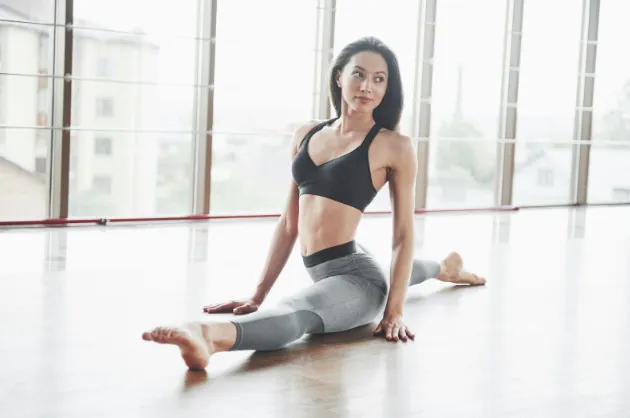
When public figures share their wellness routines, whether it’s a morning ritual, a fitness habit, or a self-care practice, the most compelling stories aren’t about extremes. They’re about intention. A quiet commitment to feel good in a way that fits their life, not defines it.
Lately, I’ve noticed that many of these influencers incorporate subtle, intentional movement into their daily routines. Even celebrities who once prioritized grueling fitness regimens now turn to more grounding practices, like mindful Pilates flows using a reformer from Flo Pilates, that emphasize body awareness and emotional resilience over physical endurance.
Let’s explore why this gentle, present-centered movement is becoming more than a wellness trend, it’s a new narrative, one that’s reshaping how we all define personal health.
The Shifting Definition of Wellness
In decades past, wellness was framed largely by physical results, strength, weight, aesthetics. High-intensity workouts ruled social media, and schedules were packed with cardio, strength training, and HIIT.
But the defining moments of recent years, global uncertainty, isolation, burnout, shifted collective focus toward mental clarity, emotional grounding, and sustainable routines. The body is still a vessel of vitality, but the journey isn’t just about shape or stamina; it’s about mindful presence.
Instead of logging endless reps, people now ask: “How do I feel in my body? How do I reconnect?”
Why Mindful Movement Respects the Whole Person
Movement is powerful. Combined with mindfulness, it becomes transformative.
Reporting across psychology and neuroscience has found that mindfulness, especially when integrated with physical activity, improves mood regulation, reduces anxiety, enhances attention, and supports emotional balance. It taps into neurochemicals that foster calm and clarity.
This means that even light, breath-centered movement (whether seated, standing, or on a reformer) isn’t just a physical exercise, it’s a mind-body reset that translates directly into tangible emotional and cognitive benefits.
Real Stories: Wellness in Everyday Life
Let’s consider real-life examples, creative professionals, business founders, and wellness advocates who integrate mindful movement into their every day:
- A business leader begins each day with a five-minute Pilates stretch, not for flexibility, but for the mental clarity it brings before emails.
- A writer centers herself each afternoon with seated lengthening movements and breath work, sustained with minimal equipment.
- A digital content creator ends their night with slow, circular movements of shoulders and hips, using deep breathing to release tension before bed.
These rituals are not flashy, but they’re consistently present. When shared, they connect with audiences because they feel human and accessible.
Instruments of Flow: Tools That Support Presence

Image from Unsplash
Mindful movement isn’t about intensity, it’s about alignment and attention. That’s where thoughtfully designed tools come into play.
Take Flo Pilates’ reformers and accessories. These are not bulky or exclusive. They’re crafted to facilitate slow, intentional motion, load without strain, and accommodate users at diverse levels. The idea isn’t to push beyond, it’s to cue depth, control, and smooth transitions. These tools support focus, not performance.
Designing Your Mindful Movement Ritual
Here’s a simple, flexible guide to creating your own mindful movement practice, adaptable to any schedule or space:
- Anchor it to a habit: Begin after your morning tea or before checking your phone.
- Hold for presence: Even posture alone can ground you, stand or sit tall, breathe deeply.
- Begin with awareness: Move slowly, neck rolls, shoulder opens, or even weighted leg slides.
- Flow with breath: Integrate two-part inhalations and full exhalations to synchronize with each movement.
- Close with stillness: Pause in stillness, notice the emotional and physical shift.
Consistency, not duration, is key. The most common stories I hear from readers describe 5–15 minute sessions that recur, not occasional grueling workouts that exhaust.
Mindful Movement’s Ripple Effects
When movement becomes a daily ritual, its impact spreads:
- Work becomes more focused after sessions.
- Sleep improves, as the body learns to release.
- Increased self-compassion arises from listening deeply to what your body needs.
- Reduced reactivity to life’s stresses, thanks to the parasympathetic activation from calm movement.
In short, you become the author of your own rhythm, not just physically, but emotionally.
Keeping the Practice Sustainable
Here are a few tips for staying consistent without burning out:
- Keep it small: Five mindful movements are better than zero because bigger feels overwhelming.
- Be flexible: Let the ritual shift, some days seated, some by your window, some reclining.
- Invite rest: Gentle smell-filled stretches, gazing at greenery, or soft music, any one of these supports presence.
- Honor your pace: There’s no goal to meet. The practice is the present.
Wellness doesn’t need to be performative. It doesn’t need to dominate your day, it can enhance it gently. That’s the power of mindful movement: it shows up for you, like an encouraging friend, whispering that presence matters every moment, not just when you’re at your peak.
As more people, including those whose lives are public and pressured, adopt this quiet narrative, we see that health is not just strength, but awareness; not just tenacity, but reflection. And in that shift, we redefine what it means to thrive.