

Getting your wisdom teeth removed is a common experience for many Australians. But when it’s time to sit down and talk numbers, things can get a bit murky. Let’s navigate the financial side of wisdom tooth removal together, so you’re not caught off guard.
Why Do Wisdom Teeth Cost What They Do?
First off, why do these extra molars come with a hefty price tag? The cost isn’t just about pulling a tooth out. It involves several steps that contribute to the overall expense. From the initial consultation to the aftercare, each stage requires expertise and resources.
The Extraction Process
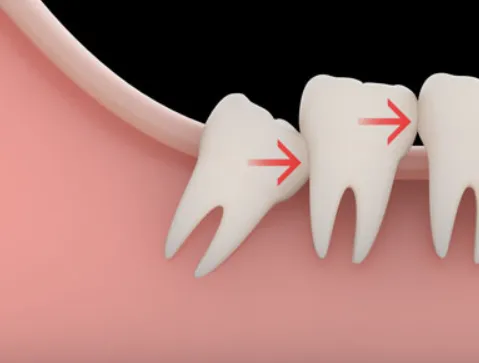
Wisdom tooth removal isn’t a simple procedure. Often, these teeth are impacted, meaning they don’t have enough room to grow properly. This can make the extraction more complex, requiring the dentist to make incisions or remove bone around the tooth. The more complicated the case, the higher the cost.
Anesthesia and Sedation
Not everyone is comfortable with dental procedures, which is why anesthesia is a key part of the process. Local anesthesia is typically standard, but if you opt for sedation, that can increase the price. It’s all about making sure you’re comfortable and relaxed during the extraction.
Breaking Down the Costs
Wondering exactly what you’re paying for? Let’s break it down:
- Consultation Fees: Your first visit might include X-rays and a thorough examination, setting the stage for the procedure.
- Extraction Fees: This covers the actual removal of the tooth, varying based on complexity.
- Anesthesia Costs: Depending on your choice of anesthesia, this part can fluctuate.
- Aftercare: Post-procedure check-ups and medications are essential for a smooth recovery.
Insurance and What It Covers
Many Aussies have dental insurance, but what does it really cover when it comes to wisdom tooth removal? Policies vary, so it’s crucial to check the fine print. Some plans might cover a portion of the extraction cost, while others may require you to handle the expenses out of pocket.
Public vs. Private Options
Australia offers both public and private dental services. Public clinics can be a more affordable option, especially for those on a tight budget. However, private dentists might offer shorter waiting times and more personalized care. It’s a balance between cost and convenience.
Additional Costs to Keep in Mind
Beyond the main fees, there are a few extras that could add up:
- Medication: Painkillers and antibiotics might be necessary post-extraction.
- Follow-up Appointments: Ensuring everything heals correctly might require additional visits.
- Specialized Care: If there are complications, such as infections or dry socket, further treatment will be needed.
Managing the Expense
Facing the cost of wisdom tooth removal doesn’t have to be daunting. Here are some strategies to help manage the financial side:
Check Your Insurance Coverage
Start by understanding what your dental insurance covers. It might surprise you how much they can handle, easing the burden on your wallet.
Explore Payment Plans
Many dental clinics offer flexible payment plans. Spreading out the cost can make it more manageable without the stress of a large upfront payment.
Consider Public Dental Services
If budget is a major concern, public dental services are worth exploring. While the waiting times might be longer, the savings can be significant.
Final Thoughts
Understanding the financial aspects of wisdom tooth removal in Australia can help you make informed decisions and prepare for the upcoming procedure. Whether you choose a private dentist or go through public services, knowing what to expect cost-wise ensures you’re not left with unexpected bills.
Taking the time to research and plan can make the process smoother and less stressful. After all, a healthy smile is worth a bit of effort and investment.