

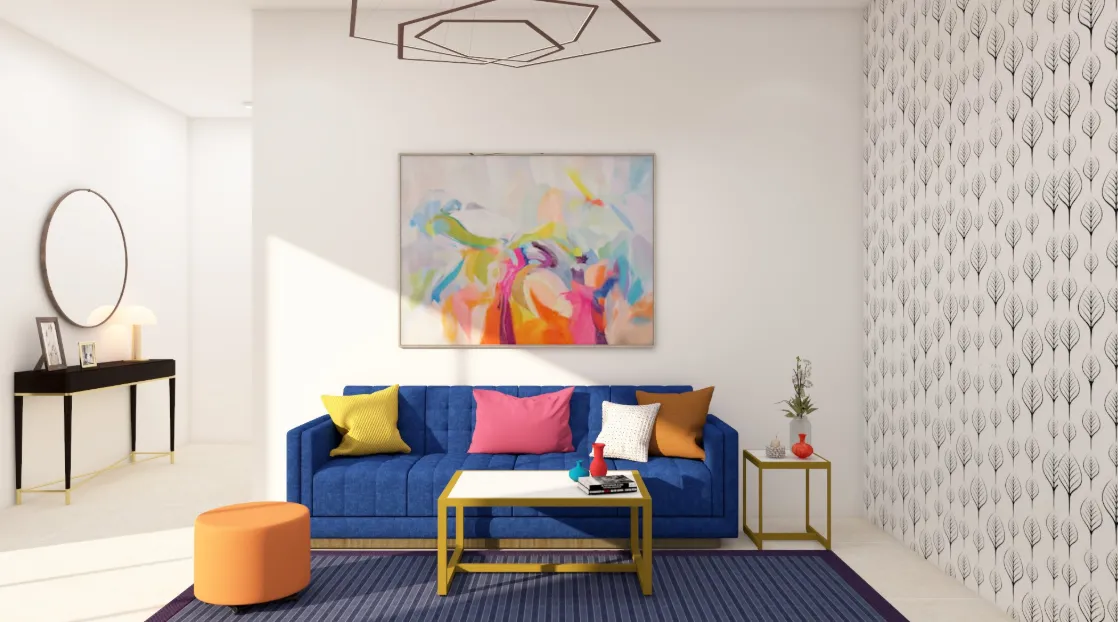
Paint has long been the go-to option for refreshing a space. It’s accessible, familiar, and endlessly customizable. But let’s be honest—painting can be messy, time-consuming, and not always the most durable or innovative solution. In high-traffic areas, humid environments, or commercial settings, walls often require more than just a new coat of color. The good news? There are creative, practical alternatives that can transform your walls without ever touching a brush.
One such solution gaining traction in both residential and commercial design is PVC wall panels Canada. These panels, originally favored for their moisture resistance and cleanability, are now being recognized for their versatility, aesthetic potential, and ease of use. And they’re just the tip of the iceberg.
From textured materials to modular designs, this article explores innovative and low-maintenance ways to upgrade your walls—without paint, without mess, and without regret.
1. Wall Panels That Go Beyond Function: Form Meets Flexibility
Wall panels have evolved dramatically from their utilitarian roots. Once limited to dated woodgrain designs or sterile hospital rooms, modern panels now come in a range of finishes, textures, and formats that rival traditional décor elements. Among them, PVC wall panels stand out for their adaptability.
Originally designed to resist water and stains, PVC wall panels now offer more than durability—they offer design freedom. These panels can be:
- Smooth and glossy for a sleek, modern feel
- Matte or satin for softer aesthetics
- Printed or embossed for visual depth
What makes them so appealing in both residential and commercial spaces is how quickly they can transform a space without disruption. No paint fumes. No prep work. No drying time. Just clean lines, seamless installation, and immediate visual impact.
For rooms prone to wear and tear—think basements, laundry rooms, bathrooms, or even kitchens—PVC wall panels offer a smart way to reinforce walls while upgrading aesthetics. And because they’re available in large, easy-to-install sheets or modular planks, coverage is fast and simple.
But the creative possibilities go beyond just smooth surfaces. Some panels now mimic natural materials like marble, concrete, or tile—offering a high-end look without the cost or upkeep.
2. Go Dimensional: Adding Texture Without Paint or Wallpaper
Flat walls are fine. But what if you could add real dimension—without sculpting, sanding, or stenciling?
3D wall panels have become a popular way to introduce architectural texture and movement into interiors. Available in materials ranging from MDF and bamboo to molded plastic and recycled composites, these panels create depth and shadow that changes throughout the day.
Unlike wallpaper, which relies on printed patterns for effect, 3D panels actually protrude from the wall. The result is a tactile, eye-catching design element that instantly elevates even the most basic spaces.
Popular patterns include:
- Geometric tiles (hexagons, chevrons, interlocking waves)
- Organic textures (leaves, ripples, abstract forms)
- Industrial looks (concrete blocks, metal sheets, brick textures)
These panels can be installed over drywall, painted or left in their natural finish, and even highlighted with strategic lighting for a gallery-worthy effect. In commercial settings, they’re often used as feature walls in lobbies or conference rooms. In homes, they’re showing up behind headboards, in entryways, or even ceiling installations.
Best of all? No primer, no roller, and no paint tray required.
3. Embrace the Unexpected: Reclaimed Materials and Upcycled Design
Sometimes the best way to update your walls is to break the mold entirely. Using reclaimed or upcycled materials for wall treatments has become increasingly popular among designers looking to blend sustainability with bold aesthetics.
Reclaimed wood is a classic example. Whether it’s old barn board, pallet slats, or factory flooring, aged wood offers warmth and character that can’t be faked. Installing wood planks in staggered formations can create a rustic or industrial vibe—depending on the finish—and no two walls will ever be exactly alike.
Other creative reclaimed options include:
- Corrugated metal sheets for a workshop or farmhouse feel
- Shipping crate panels stamped with vintage logos
- Salvaged ceramic tiles arranged in mosaic form
- Deconstructed furniture panels with layers of old paint
These materials aren’t just environmentally conscious—they’re conversation starters. They turn a blank wall into a narrative piece, telling the story of where the material came from and how it found new life.
Reclaimed installations do require a bit more planning and craftsmanship, but the results are often unforgettable. And since many of these surfaces develop natural patina over time, they only get better with age—no touch-ups necessary.
4. Modular Magic: Pegboards, Panels, and Living Walls
What if your wall could do more than just sit there looking good?
Functional wall systems—like modular pegboards or slat walls—are an increasingly smart choice for dynamic spaces. Whether you’re organizing a garage, creating a flexible office nook, or adding utility to a kitchen, these functional upgrades double as visual design.
Pegboard has come a long way since its hardware-store days. Modern versions are made from powder-coated metal, finished MDF, or even laser-cut plywood, offering a wide array of shapes, patterns, and add-ons. Think:
- Hooks, trays, or containers for tools and supplies
- Floating shelves or planters
- Adjustable brackets for art or lighting
The result? A constantly changeable surface that’s tailored to your needs.
In more organic spaces, living walls (or “green walls”) offer a natural alternative. These plant-covered vertical surfaces can be real or artificial, and they immediately infuse any room with texture, color, and a calming vibe. No paint can replicate the effect of a lush vertical garden—especially when it doubles as an air purifier.
And in terms of maintenance? Pre-planted panels and irrigation kits make living walls easier than ever to implement in homes, offices, or hospitality venues.
5. Wall Upgrades That Go Beneath the Surface
Sometimes, the most transformative wall updates aren’t about what you see—but what you feel.
Wall insulation panels, acoustic boards, and thermal-control surfaces are increasingly being chosen for their function-first approach, with aesthetic improvements coming as a bonus. In moisture-prone areas like basements, for example, using wall systems that prevent condensation and mold is critical—not just for comfort but for health and longevity of the space.
This is where PVC wall panels shine again. Their moisture resistance, easy cleaning, and insulating properties make them a top choice for utility spaces, semi-finished basements, rental units, or even commercial kitchens.
Some performance wall products also include integrated insulation layers or vapor barriers—meaning they do the job of multiple building components in one. These systems:
- Help regulate room temperature
- Reduce outside noise
- Prevent mold and mildew buildup
- Require little to no maintenance
And because many of these surfaces are available in sleek, neutral tones, they can double as finished walls—no need for drywall or painting. In fact, in certain climates or structures, skipping paint entirely is the smartest move you can make.
Final Thoughts: Walls Should Work Harder (and Look Better)
For decades, we’ve treated paint as the default solution to dull walls. But in reality, paint has limitations—especially in spaces where durability, hygiene, and creativity are critical.
PVC wall panels, 3D textures, reclaimed materials, modular systems, and performance-focused wall products all offer smarter, more sustainable, and more visually dynamic ways to refresh a room. These materials are not only easier to maintain than paint, but often faster to install, longer lasting, and more environmentally conscious.
If you’re looking to revitalize your interiors—or upgrade a commercial space—consider skipping the brush and exploring options that offer both beauty and brains. Because in the modern world of design and renovation, the walls really can do more than you think.